

Sri Nachammai Cotton Mills Reports ₹379.75 Lakhs Net Loss for FY26 Amid Weak Yarn Demand


Sri Nachammai Cotton Mills reported audited standalone results for the year ended March 31, 2026, with a net loss of ₹379.75 lakhs and revenue from operations declining to ₹6,452.91 lakhs amid weak yarn demand. An exceptional income of ₹658.88 lakhs from redeemable preference share modification narrowed the pre-tax loss to ₹34.66 lakhs, while operating cash flow improved significantly to ₹1,349.01 lakhs. Power and fuel costs reduced sharply due to captive solar power usage, though current borrowings rose and total equity declined to ₹1,228.68 lakhs.


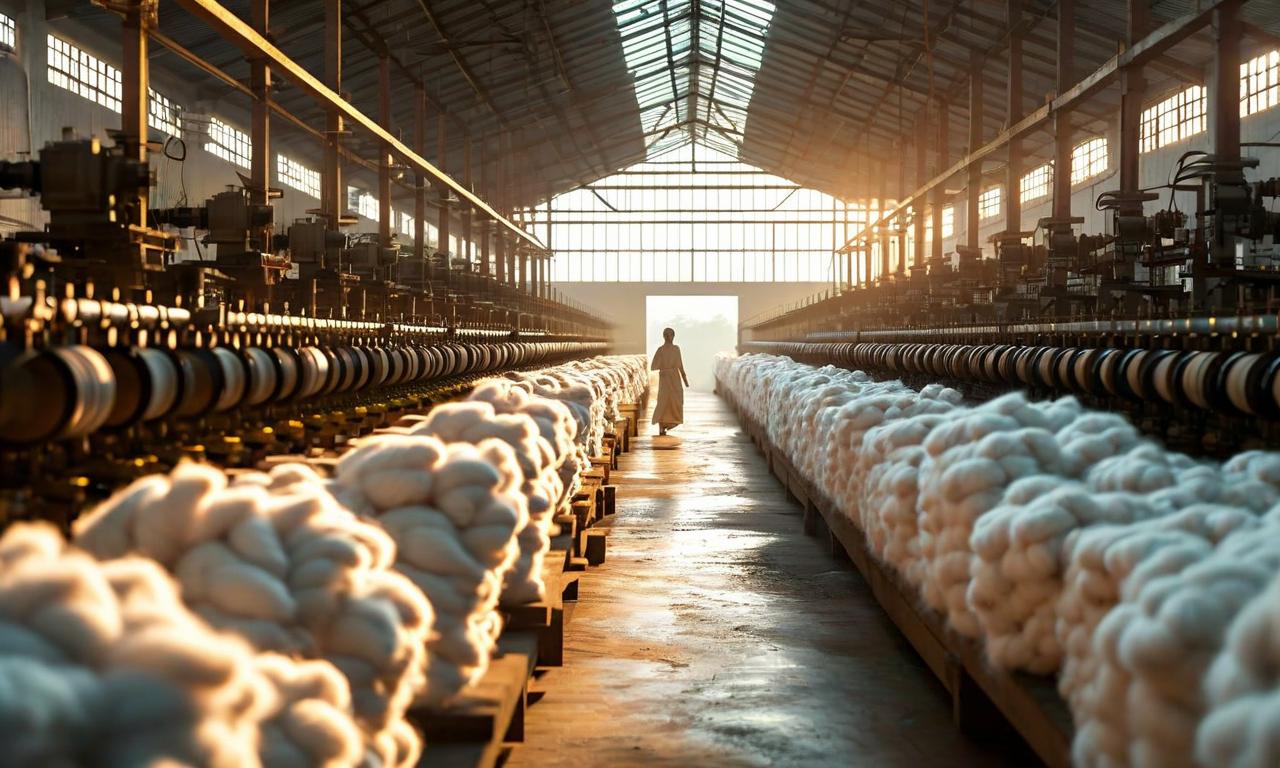
*this image is generated using AI for illustrative purposes only.
Sri Nachammai Cotton Mills Limited reported its audited standalone financial results for the quarter and year ended March 31, 2026, revealing a continued loss-making position amid persistent weakness in yarn demand and a disparity between cotton and yarn prices. The results were reviewed by the Audit Committee and approved by the Board of Directors at their meeting held on May 19, 2026. Statutory auditors M/S. Gopalaiyer and Subramanian, Chartered Accountants (Firm Registration No. 000960S), issued an unmodified audit opinion on the financial statements.
Annual Financial Performance
For the full year ended March 31, 2026, the company's revenue from operations declined to ₹6,452.91 lakhs from ₹6,917.34 lakhs in the previous year. Other income also fell sharply to ₹24.38 lakhs from ₹137.48 lakhs, bringing total revenue to ₹6,477.29 lakhs compared to ₹7,054.82 lakhs in FY25. Total expenses for the year stood at ₹7,170.83 lakhs against ₹7,457.73 lakhs in the prior year, resulting in a pre-exceptional loss of ₹693.54 lakhs. An exceptional item of ₹658.88 lakhs—arising from the modification of redeemable preference share terms—narrowed the pre-tax loss to ₹34.66 lakhs for FY26, compared to ₹402.91 lakhs in FY25. After accounting for tax adjustments, the net loss for the year stood at ₹379.75 lakhs versus ₹320.50 lakhs in the prior year.
| Metric: | FY26 (Audited) | FY25 (Audited) |
|---|---|---|
| Revenue from Operations: | ₹6,452.91 lakhs | ₹6,917.34 lakhs |
| Other Income: | ₹24.38 lakhs | ₹137.48 lakhs |
| Total Revenue: | ₹6,477.29 lakhs | ₹7,054.82 lakhs |
| Total Expenses: | ₹7,170.83 lakhs | ₹7,457.73 lakhs |
| Loss Before Exceptional Items & Tax: | ₹(693.54) lakhs | ₹(402.91) lakhs |
| Exceptional Items: | ₹658.88 lakhs | — |
| Loss Before Tax: | ₹(34.66) lakhs | ₹(402.91) lakhs |
| Net Loss: | ₹(379.75) lakhs | ₹(320.50) lakhs |
| Basic & Diluted EPS (₹): | (8.86) | (7.48) |
Quarterly Financial Performance
For the quarter ended March 31, 2026, revenue from operations stood at ₹1,488.15 lakhs, compared to ₹1,831.36 lakhs in the corresponding quarter of the previous year. Total revenue for the quarter was ₹1,496.03 lakhs against ₹1,861.58 lakhs in Q4 FY25. The net loss for the quarter widened to ₹506.76 lakhs from ₹60.69 lakhs in the same period last year, primarily due to deferred tax adjustments. Total comprehensive loss for the quarter was ₹508.54 lakhs compared to ₹62.12 lakhs in Q4 FY25.
| Metric: | Q4 FY26 | Q3 FY26 | Q4 FY25 |
|---|---|---|---|
| Revenue from Operations: | ₹1,488.15 lakhs | ₹1,674.64 lakhs | ₹1,831.36 lakhs |
| Total Revenue: | ₹1,496.03 lakhs | ₹1,679.53 lakhs | ₹1,861.58 lakhs |
| Total Expenses: | ₹1,515.22 lakhs | ₹2,036.58 lakhs | ₹1,947.97 lakhs |
| Net Loss: | ₹(506.76) lakhs | ₹(306.41) lakhs | ₹(60.69) lakhs |
| Basic & Diluted EPS (₹): | (11.82) | (7.15) | (1.42) |
Balance Sheet Highlights
As at March 31, 2026, the company's total assets stood at ₹9,374.43 lakhs, marginally lower than ₹9,389.53 lakhs as at March 31, 2025. Total equity declined to ₹1,228.68 lakhs from ₹1,611.03 lakhs, reflecting the accumulated losses during the year. Non-current borrowings reduced to ₹2,582.03 lakhs from ₹3,142.00 lakhs, while current borrowings increased to ₹2,310.94 lakhs from ₹1,421.12 lakhs. Property, plant and equipment increased to ₹4,952.76 lakhs from ₹3,888.35 lakhs, reflecting capital expenditure during the year.
| Balance Sheet Item: | March 31, 2026 | March 31, 2025 |
|---|---|---|
| Total Assets: | ₹9,374.43 lakhs | ₹9,389.53 lakhs |
| Total Equity: | ₹1,228.68 lakhs | ₹1,611.03 lakhs |
| Non-current Borrowings: | ₹2,582.03 lakhs | ₹3,142.00 lakhs |
| Current Borrowings: | ₹2,310.94 lakhs | ₹1,421.12 lakhs |
| Inventories: | ₹3,110.74 lakhs | ₹3,204.44 lakhs |
| Trade Receivables: | ₹472.08 lakhs | ₹723.48 lakhs |
Key Operational and Accounting Developments
Several notable developments shaped the company's financial performance during the year:
- Exceptional Item: The company had issued redeemable preference shares to its promoters on April 26, 2012, amounting to ₹15,00,00,000 (Rupees Fifteen Crores), with an original maturity of 13 years. Following approval at an Extraordinary General Meeting of preference shareholders on September 13, 2024, and a special resolution passed at an EGM on December 3, 2024, the redemption period was extended by an additional 7 years. In accordance with Ind AS 109, the modification was assessed as a substantial modification, resulting in derecognition of the existing liability and recognition of a new financial liability at its present value of ₹8,41,12,213/-. The difference of ₹6,58,87,787/- was recognised as income and reported as an exceptional item, resulting in a one-time income recognition of ₹6.58 crores for the year ended March 31, 2026.
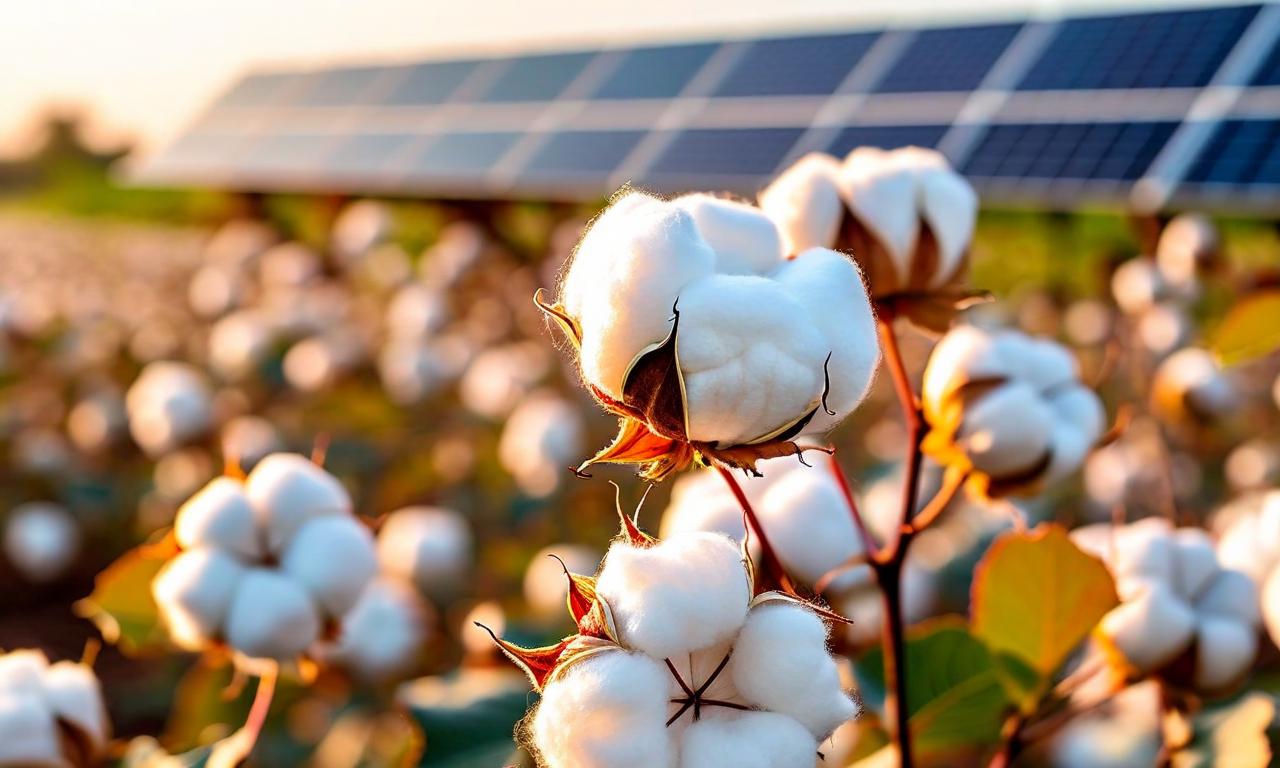
- Power and Fuel Cost Reduction: Power and fuel costs declined significantly to ₹82.83 lakhs in Q4 FY26 from ₹190.46 lakhs in Q4 FY25. For the full year, power and fuel costs reduced to ₹455.39 lakhs from ₹740.60 lakhs in FY25, primarily attributable to captive use of electricity generated from the 4 MW Solar power plant commissioned during FY2024–25.
- Operational Constraints: The current quarter continued to witness poor demand for yarn, with a continued disparity in cotton prices compared to yarn prices. As a result, the company operated only one unit for 3 shifts, with depreciation provided accordingly.
- Deferred Tax Asset: During the year ended March 31, 2026, the company recognised a deferred tax asset on unabsorbed business losses and unabsorbed depreciation, based on the probability of sufficient taxable profits from continuing operations, improved market conditions, operational restructuring, and planned sale of unproductive assets.
- Labour Codes: The Government of India notified four Labour Codes on November 21, 2025, consolidating 29 existing labour laws. The company assessed that no material incremental liability arises for employees and is in the process of evaluating the impact for contract workforce.
Cash Flow Summary
Net cash from operating activities improved significantly to ₹1,349.01 lakhs for the year ended March 31, 2026, compared to ₹38.71 lakhs in the prior year. Net cash used in investing activities was ₹(1,323.84) lakhs, primarily on account of purchase of property, plant and equipment of ₹(1,310.61) lakhs. Net cash used in financing activities was ₹(25.47) lakhs. Cash and cash equivalents at the end of the year stood at ₹2.14 lakhs compared to ₹2.44 lakhs at the beginning of the year.
The paid-up equity share capital of the company remained unchanged at ₹428.64 lakhs with a face value of ₹10.00 per share. Other equity (reserves excluding revaluation reserves) stood at ₹800.04 lakhs as at March 31, 2026, compared to ₹1,182.39 lakhs as at March 31, 2025. The company's main business is the manufacture and sale of yarn and related products, with no separate reportable segments as per Ind AS 108.
Historical Stock Returns for Sri Nachammai Cotton Mills
| 1 Day | 5 Days | 1 Month | 6 Months | 1 Year | 5 Years |
|---|---|---|---|---|---|
| 0.0% | +2.96% | +4.91% | -16.69% | -17.19% | -27.03% |

With equity declining to ₹1,228.68 lakhs and current borrowings surging 63% to ₹2,310.94 lakhs, how long can Sri Nachammai Cotton Mills sustain operations before facing a liquidity crisis or debt covenant breach?
Given that the company operated only one unit during Q4 FY26 due to poor yarn demand, what market conditions or cotton-yarn price parity levels would be needed to justify resuming full capacity utilization across all units?
Will the deferred tax asset recognized on unabsorbed losses hold up if market conditions don't improve as projected, and what is the risk of a future write-down further eroding the company's equity base?
 19
19



 Access 50+ Readymade Screeners
  Use 200+ Custom Filters
  Get Full Market Insights





