

Sportking India files FY26 sustainability report with turnover of ₹24,958 crore


Sportking India Limited filed its FY26 BRSR, reporting a turnover of ₹249,585.66 lakh and net worth of ₹111,590.04 lakh. Exports contributed 51% to sales. The company operates a 27.62 MW solar plant and initiated a 40.3 MW project. Employee turnover was 10.65%, while worker turnover was 77.05%. No safety incidents were reported.


*this image is generated using AI for illustrative purposes only.
Sportking India Limited has submitted its Business Responsibility and Sustainability Report (BRSR) for the financial year ended March 31, 2026, to the Bombay Stock Exchange and National Stock Exchange of India. The filing, dated August 17, 2026, provides an overview of the company’s operational footprint, sustainability initiatives, and governance practices for FY26.
The Ludhiana-based textile manufacturer reported a total turnover of ₹249,585.66 lakh and a net worth of ₹111,590.04 lakh as disclosed in the CSR applicability section of the report. The company operates three manufacturing plants and offices across India, serving customers in 36 international countries alongside the domestic market. Exports accounted for approximately 51% of the total turnover, highlighting the significant reliance on global demand for its cotton and polyester-blended yarn products.
Operational and Environmental Metrics
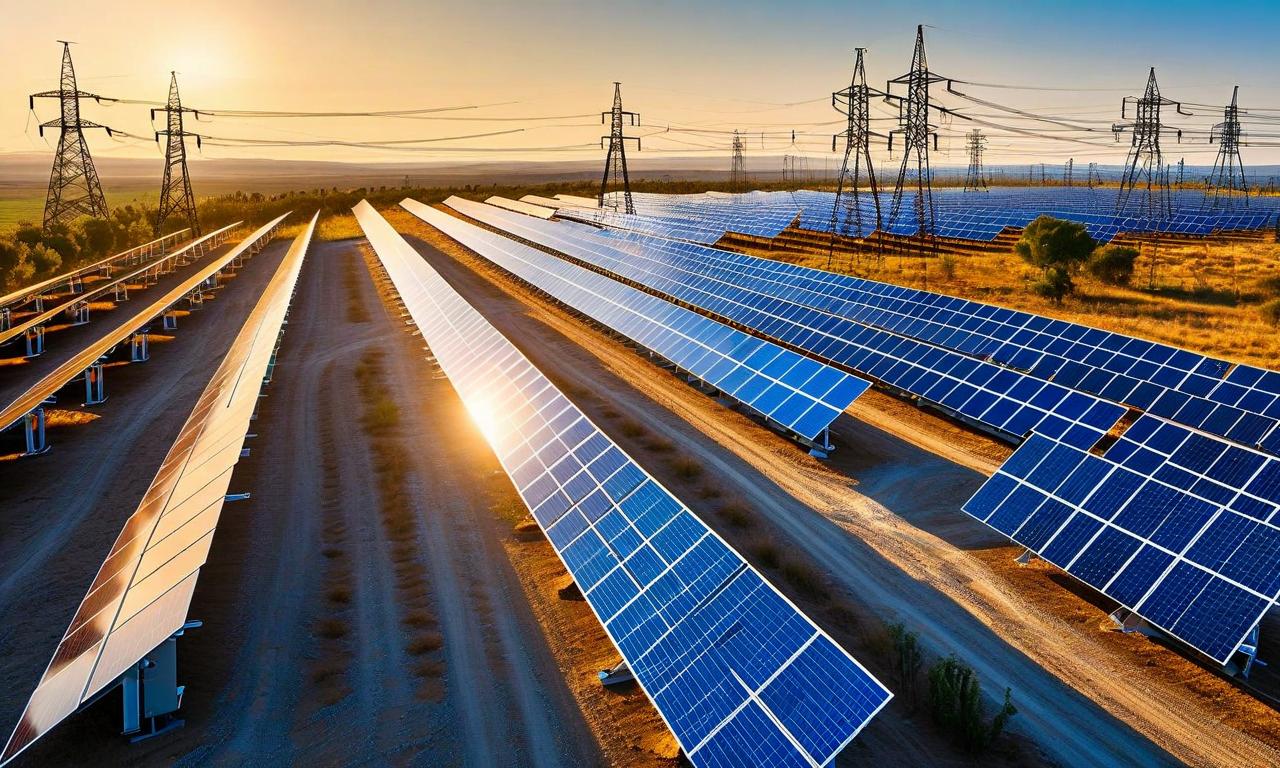
Sportking India highlighted several environmental initiatives in the report, including the operation of a 27.62 MW solar power plant. The company also initiated capital expenditure for a 40.3 MW captive solar power project through a Special Purpose Vehicle under a 25-year Solar Power Purchase Agreement during FY26. This new project is expected to reduce annual power costs by approximately 12–13% and enhance the share of renewable energy in its overall mix.
Total energy consumption for FY26 stood at 1,056,804 GJ, comprising 126,755 GJ from renewable sources and 930,049 GJ from non-renewable sources. Water withdrawal was recorded at 706,126 kilolitres, entirely sourced from groundwater. The company noted that it has initiated the phased implementation of Zero Liquid Discharge (ZLD) processes across its manufacturing operations.
| Metric | FY26 | FY25 |
|---|---|---|
| Total Energy Consumption (GJ) | 1,056,804 | 966,544 |
| Renewable Energy Share (GJ) | 126,755 | 87,669 |
| Water Withdrawal (KL) | 706,126 | 630,821 |
| Waste Generated (Tonnes) | 171.61 | 15.13 |
Workforce and Governance
As of March 31, 2026, Sportking India employed 559 permanent employees and 5,420 permanent workers. The workforce composition included 96.60% male employees and 48.67% female workers. The company reported a turnover rate of 10.65% for permanent employees and 77.05% for permanent workers in FY26.
The Board of Directors comprises six members, with two women directors representing 33.33% of the board. The report confirmed that no fines, penalties, or disciplinary actions were taken against directors or key managerial personnel for bribery or corruption during the year. Additionally, there were no recordable work-related injuries or fatalities reported among employees or workers.
What the Numbers Show
A notable divergence exists between the stability of the employee base and the high churn rate among the worker segment. While the employee turnover rate remained low at 10.65%, the permanent worker turnover rate stood at 77.05%, indicating significant fluidity in the operational workforce compared to the administrative staff. Furthermore, the sharp increase in waste generation from 15.13 tonnes in FY25 to 171.61 tonnes in FY26 warrants attention, although the report attributes this to comprehensive waste tracking rather than operational inefficiency.
Historical Stock Returns for Sportking
| 1 Day | 5 Days | 1 Month | 6 Months | 1 Year | 5 Years |
|---|---|---|---|---|---|
| -0.93% | -1.29% | -6.46% | +85.70% | +112.77% | +102.27% |

How will the upcoming 40.3 MW captive solar project impact Sportking India's long-term energy cost structure and carbon footprint relative to industry peers?
What specific strategies is the company implementing to address the 77% turnover rate among permanent workers, and how might this affect operational stability?
Given the 51% reliance on exports, how vulnerable is Sportking India's revenue to potential shifts in global trade policies or demand fluctuations in its 36 international markets?
 17
17





 Create Custom Screeners
  Access 200+ Pre-built Filters
  Use 50+ Readymade Screener





