

SpaceX 'meme stock' run may be ending as options trading starts


Gary Black indicated that SpaceX's 'meme stock' rally might be ending as options trading enables short positions. The stock dropped 4.95% to $191.82 on Wednesday following record options volume, while Morningstar valued the company significantly lower than its market cap.



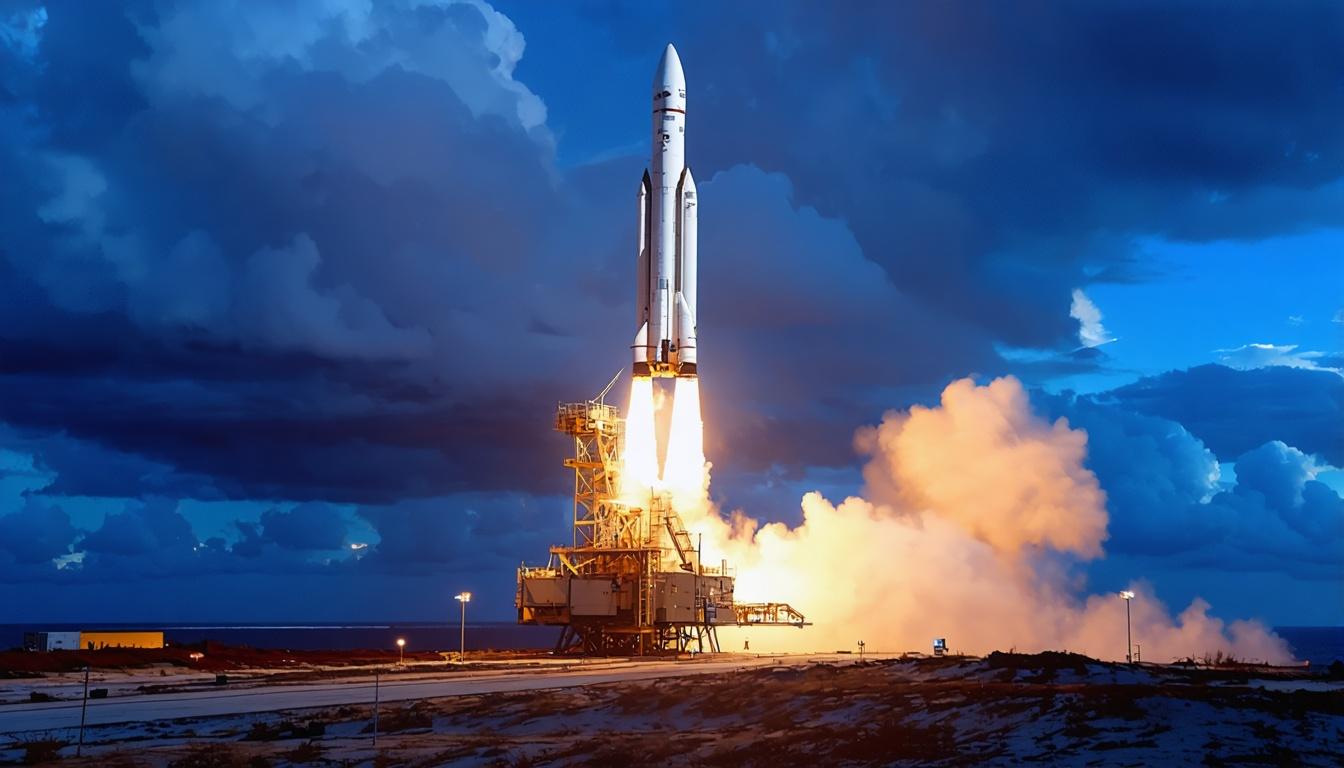
*this image is generated using AI for illustrative purposes only.
Gary Black, managing director of The Future Fund LLC, said Wednesday that SpaceX's (NASDAQ: SPCX) early trading surge may be losing its "meme stock" character now that options trading has given investors a new way to bet against the stock. The comments come as SpaceX shares fell 4.95% on Wednesday to $191.82, marking the first decline since the company's record public debut. The stock had previously surged nearly 50% from its initial public offering (IPO) price of $135, reaching a high of $201.80 on Tuesday.
Black wrote on X that he had resisted commenting on SPCX as it acted more like a meme stock than one driven by fundamentals, but that dynamic "may be ending." He noted that investors who wanted to place bearish bets were finally able to buy puts as of Tuesday. Black argued that the stock's 50% rally from its IPO price reflected a market with few ways to sell or short the shares, citing lockup limits, scarce borrowable stock, and the absence of put options until Tuesday. "While many SPCX bulls screamed ‘I told you so' when the stock was soaring, the reality was there were few outlets for selling," Black wrote.
The pullback followed Tuesday's launch of options trading, when nearly 1.8 million contracts changed hands, according to Reuters, citing Trade Alert data. This volume topped the previous first-day record of about 365,000 contracts set by Meta Platforms Inc. (NASDAQ: META) in 2012. SpaceX's market value fell from $2.66 trillion on Tuesday to $2.57 trillion on Wednesday. Morningstar analyst Nicolas Owens estimates fair value at $780 billion, less than one-third of that level.
Black said investors should revisit SpaceX's performance after lockups begin expiring in August and traders can more easily take bearish positions. Steve Grasso, CEO of Grasso Global, pushed back on fears around an accelerated lockup release. He said another 10% of eligible insider shares would become available only if SpaceX closes at or above $175.50, or 30% above its IPO price, on at least five of the 10 straight trading days before second-quarter earnings. Even then, he said, the August lockup schedule would remain, with the first unlock rising from 20% to 30%.
The comments follow Black's earlier skepticism about SpaceX's IPO valuation. Last month, he said he was "not that interested" in the offering and would be "more interested after it falls by 50%," arguing that the Elon Musk-led rocket and satellite company looked expensive near a $1.75 trillion valuation. SpaceX shares climbed 1.75% to $195.17 in after-hours trading on Wednesday.
| Metric | Value |
|---|---|
| Latest price (Wednesday) | $191.82 |
| Wednesday price change | -4.95% |
| After-hours price | $195.17 |
| Options volume (Tuesday) | Nearly 1.8 million contracts |
| Market cap (Wednesday) | $2.57 trillion |
| Morningstar fair value | $780 billion |

How will the availability of put options and increased short-selling pressure influence SpaceX's stock volatility over the next quarter?
What impact will the expiration of insider lockups in August have on SpaceX's share price and trading volume?
Will SpaceX's valuation converge toward Morningstar's fair value estimate of $780 billion as bearish positions become more accessible?
 19
19










 Access 50+ Readymade Screeners
  Use 200+ Custom Filters
  Get Full Market Insights





