

Source Industries FY26 Results: Net profit surges 146% to ₹12.18 lakh


- Net profit surged 146% YoY to ₹12.18 lakh in FY26, up from ₹0.78 lakh
- Revenue grew nearly four-fold to ₹54.27 lakh, driven by strategic shift
- Company renamed Arka Defence & Locomotives Limited post-shareholder approval
- Other income contributed ₹3.38 lakh via liability write-backs
- Trade receivables rose to ₹208.97 lakh, indicating working capital usage



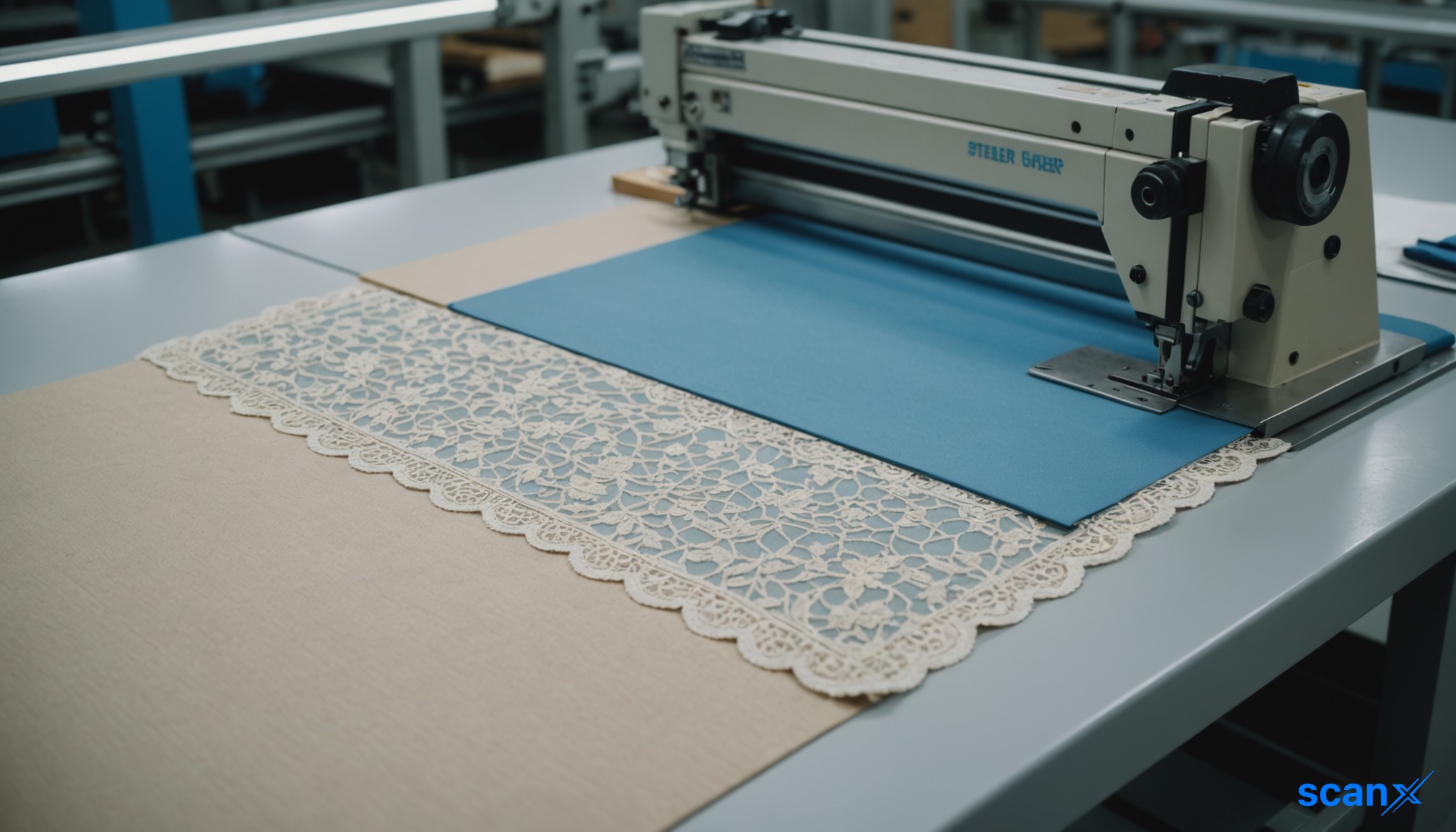
*this image is generated using AI for illustrative purposes only.
Source Industries posted a net profit of ₹12.18 lakh for FY26, a sharp turnaround from the ₹0.78 lakh profit recorded in the prior year. Revenue from operations expanded four-fold to ₹54.27 lakh, up from ₹13.72 lakh in FY25, marking the company's return to profitability amid a strategic business transition.
The financial performance reflects the initial phase of a structural shift away from legacy textile operations toward high-precision heavy engineering and defence component manufacturing. The company has officially changed its name to Arka Defence & Locomotives Limited following shareholder approval in March 2026.
Financial Performance
The company’s total income rose to ₹57.65 lakh, supported by other income of ₹3.38 lakh derived from liabilities written back. Total expenditure stood at ₹45.47 lakh, compared to ₹12.94 lakh in the previous year. The Board did not recommend a dividend for the year, citing inadequate profits relative to the scale of operations and strategic reinvestment needs.
| Metric | FY26 | FY25 | Change |
|---|---|---|---|
| Revenue | ₹54.27 lakh | ₹13.72 lakh | +296% |
| Net Profit | ₹12.18 lakh | ₹0.78 lakh | +146% |
| Total Income | ₹57.65 lakh | ₹13.72 lakh | +320% |
What the Numbers Show
The surge in profitability is heavily influenced by non-operational factors. Other income of ₹3.38 lakh accounts for approximately 28% of the total net profit of ₹12.18 lakh. This indicates that while operational revenue grew significantly, the bottom-line improvement was materially boosted by the write-back of liabilities no longer required, rather than pure operating margin expansion.
Balance Sheet Signals
Standalone net worth increased to ₹442.22 lakh from ₹430.00 lakh in FY25. Trade receivables rose to ₹208.97 lakh from ₹159.50 lakh, outpacing revenue growth. This divergence suggests potential working capital pressure or extended credit terms as the company scales its new engineering-focused operations. Cash and cash equivalents declined to ₹5.80 lakh from ₹11.13 lakh, reflecting operational cash outflows during the transition period.
Strategic Repositioning
The company has pivoted its focus to railway safety technologies and defence systems. Key initiatives include developing digital twin systems for railway assets and pursuing indigenised defence products. The Board highlighted an addressable market opportunity of approximately 41,000 route-km in new railway safety tenders expected over FY27-FY29.
Corporate Governance Changes
Significant changes occurred in the Board composition during July 2025. Sudhir Reddy Posireddy was appointed Chairman and Managing Director, alongside Naraharisetty Mohan Krishna and Ramreddy Swathi as Whole-time Directors. The outgoing management team stepped down following a change in control. The statutory auditors, M/s PRSV & Co. LLP, resigned during the year, leading to the appointment of M/s Suresh Surana & Associates LLP to fill the casual vacancy.
Historical Stock Returns for Source Industries
| 1 Day | 5 Days | 1 Month | 6 Months | 1 Year | 5 Years |
|---|---|---|---|---|---|
| +2.00% | +12.56% | +57.39% | +889.96% | 0.0% | 0.0% |

How will the significant rise in trade receivables relative to revenue growth impact Arka Defence's working capital management and cash flow stability in FY27?
What specific milestones or contract wins are expected in the first half of FY27 to validate the transition from legacy textiles to high-precision defence manufacturing?
Given the reliance on non-operational income for net profit growth, what is the projected timeline for achieving sustainable profitability driven purely by operating margins?
 15
15








 Create Custom Screeners
  Access 200+ Pre-built Filters
  Use 50+ Readymade Screener





