

Sona BLW Forms DENSO JVs for EV Powertrain; Citi, Jefferies Maintain Buy at ₹700


Sona BLW Precision Forgings has established two joint ventures with DENSO Corporation for electric and hybrid powertrain systems, with the EV business transferred at ₹8,932 million and DENSO acquiring a 49% stake in the 2W/3W JV at an enterprise value of ₹17,500 million. Citi and Jefferies both maintain Buy ratings on the stock with a target price of ₹700, citing strengthened EV powertrain capabilities across 2W, 3W, and 4W segments.


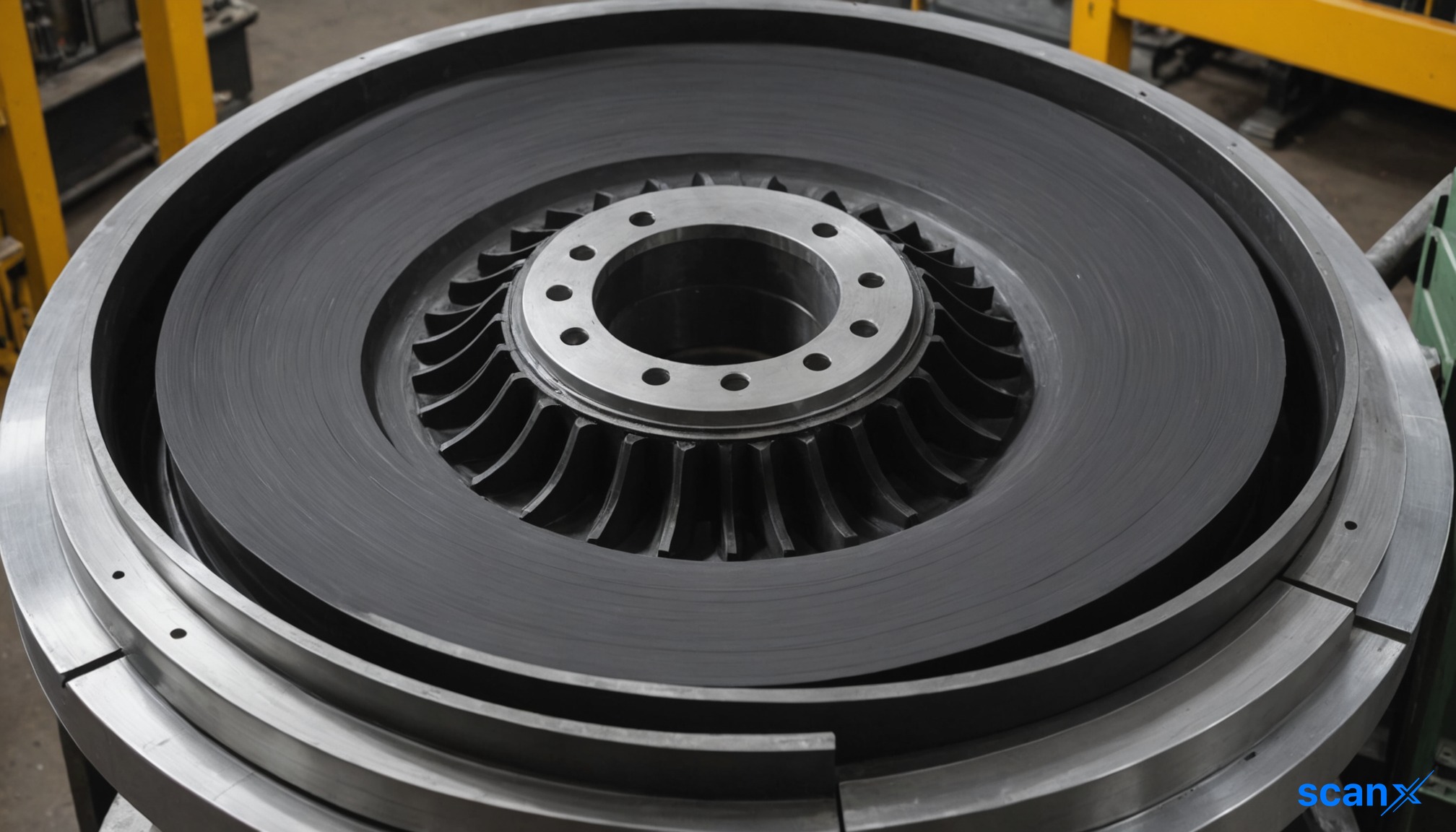
*this image is generated using AI for illustrative purposes only.
Sona BLW Precision Forgings has signed definitive agreements with DENSO Corporation, Japan, to establish two joint ventures focused on developing advanced electric and hybrid powertrain systems. The Board of Directors approved the transactions, including the transfer of its EV business to Sona Comstar eDrive Private Limited at ₹8,932 million, at its meeting held on July 22, 2026, subject to regulatory and shareholder approvals. This partnership aims to advance the electric mobility landscape by combining DENSO's technology leadership with Sona Comstar's engineering excellence and manufacturing capabilities.
Four-Wheeler and Commercial Vehicle Joint Venture
The first joint venture will target the four-wheeler and commercial vehicle segments. Sona Comstar and DENSO have entered into a Joint Development Agreement to create high-efficiency liquid-cooled traction inverters, traction motors, and generators. To commercialize these products, a new entity will be established in India where DENSO will hold a 51% equity stake and assume management control, while Sona Comstar will hold the remaining 49%.
Two-Wheeler and Three-Wheeler Joint Venture
The second joint venture focuses on the two-wheeler and three-wheeler market. Sona Comstar will transfer its existing electric traction motor and controller business to Sona Comstar eDrive Private Limited, a wholly owned subsidiary, via a slump sale at a value of ₹8,932 million. Subsequently, DENSO will acquire a 49% equity stake in Sona eDrive at an enterprise value of ₹17,500 million, with Sona Comstar retaining 51% and management control. This entity will manufacture air-cooled traction inverters, traction motors, generators, and e-Axles.
Transaction Overview
The key terms of both joint ventures are summarised below:
| Segment | Focus Area | DENSO Stake | Sona Comstar Stake |
|---|---|---|---|
| 4-Wheeler & CV | Liquid-cooled traction systems | 51% | 49% |
| 2-Wheeler & 3-Wheeler | Air-cooled traction systems & e-Axles | 49% | 51% |
| Parameter | Details |
|---|---|
| EV Business Transfer Value | ₹8,932 million |
| DENSO Acquisition Enterprise Value (2W/3W JV) | ₹17,500 million |
| DENSO Stake (2W/3W JV) | 49% |
| Sona Comstar Stake (2W/3W JV) | 51% |
Both parties have agreed to license intellectual property and know-how to their respective majority-owned joint ventures against royalty payments. Deloitte India, Trilegal, and KPMG India acted as financial, legal, and diligence & tax advisors, respectively, to Sona Comstar. The transactions are expected to close upon receipt of relevant regulatory approvals and satisfaction of customary closing conditions.
Analyst Views
The DENSO joint venture has drawn positive responses from leading brokerages. Citi maintains a Buy rating on Sona BLW with a target price of ₹700, noting that the DENSO JV strengthens Sona's EV powertrain portfolio across the 2W, 3W, and 4W segments, boosting technology capabilities and long-term growth prospects. Similarly, Jefferies maintains a Buy rating with a target price of ₹700, highlighting that the DENSO partnership expands EV technology capabilities, strengthens the 4W opportunity, and positions Sona to benefit from accelerating EV adoption.
| Analyst | Rating | Target Price |
|---|---|---|
| Citi | Buy | ₹700 |
| Jefferies | Buy | ₹700 |
Historical Stock Returns for Sona BLW Precision Forgings
| 1 Day | 5 Days | 1 Month | 6 Months | 1 Year | 5 Years |
|---|---|---|---|---|---|
| -0.53% | -5.59% | -4.20% | +31.06% | +64.92% | +21.87% |

How will the distinct management control structures in the two joint ventures influence Sona Comstar's strategic decision-making and operational autonomy?
What is the expected timeline for obtaining regulatory approvals, and when will the joint ventures begin commercial production of the new powertrain systems?
How will the royalty payments for licensed intellectual property impact the profit margins of the respective joint ventures moving forward?
 15
15





 Access Market Heat-map & Insights
  Create, Save & Share your Screener
  Use 200+ Screening Filters





