

Shri Keshav Cements sets Sept 18 AGM; FY26 loss widens to ₹6.53 crore


- Shri Keshav Cements schedules 33rd AGM for September 18, 2026
- FY26 net loss widened to ₹6.53 crore despite 32.8% revenue growth
- Deferred tax charge of ₹5.48 crore impacted bottom line
- Debt-equity ratio rose to 2.64 times; cash reserves lean at ₹29.22 lakh


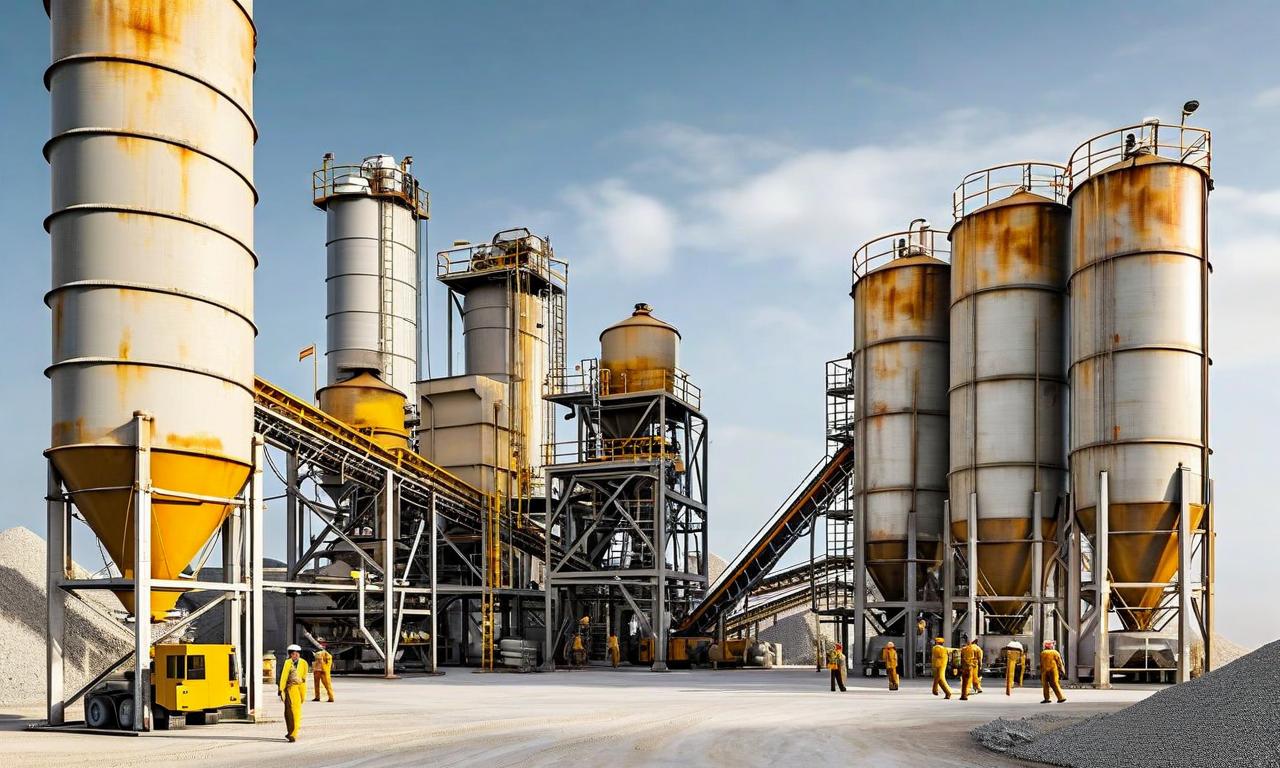
*this image is generated using AI for illustrative purposes only.
Shri Keshav Cements & Infra Limited has scheduled its 33rd Annual General Meeting for Friday, September 18, 2026, at 10:00 am at its registered office in Belagavi. The company announced the agenda on August 25, 2026.
The register of members and share transfer books will remain closed from September 12, 2026, to September 18, 2026, both days inclusive, to determine voting eligibility.
E-Voting Schedule
Remote e-voting via National Securities Depository Limited (NSDL) opens on September 15, 2026, at 9:00 am and closes on September 17, 2026, at 5:00 pm. The cut-off date for determining eligibility is September 11, 2026. Nikita Karnani, Company Secretary, is the designated contact for e-voting coordination.
Financial Context
Shri Keshav Cements reported a record annual revenue of ₹161.31 crore for FY26, a 32.8% increase from ₹121.45 crore in FY25. Despite top-line growth, the company recorded a net loss of ₹6.53 crore, widening from the ₹6.17 crore loss in FY25.
| Metric | FY26 | FY25 | Change |
|---|---|---|---|
| Revenue from Operations | ₹161.31 crore | ₹121.45 crore | +32.8% |
| Total Income | ₹164.63 crore | ₹124.60 crore | +32.1% |
| Total Expenses | ₹165.68 crore | ₹126.30 crore | +31.2% |
| Net Loss | ₹6.53 crore | ₹6.17 crore | Wider |
Total expenses rose to ₹165.68 crore from ₹126.30 crore. Finance costs increased to ₹21.56 crore from ₹18.10 crore, reflecting higher borrowing obligations linked to capacity expansion projects.
What the Numbers Show
While operational revenue grew significantly, the bottom line was heavily impacted by non-operational tax charges. The company recorded a deferred tax charge of ₹5.48 crore, compared to ₹4.43 crore in FY25. This tax expense, driven by incremental liabilities on property, plant, and equipment, effectively erased pre-tax improvements and contributed to the wider net loss. Other income remained stable at ₹3.32 crore, indicating that revenue growth was purely operational rather than aided by significant one-off gains.
Balance Sheet and Governance Signals
The debt-equity ratio rose to 2.64 times from 2.43 times, signaling increased leverage as expansion is funded. Cash and cash equivalents stood at a lean ₹29.22 lakh as of March 2026.
Statutory auditors issued a qualified opinion due to an ongoing Goods and Services Tax (GST) investigation by the Directorate General of Goods and Services Tax Intelligence (DGGI). The company paid ₹8.60 crore towards GST and interest under protest in 2020-21 and 2021-22. As no final order has been passed, auditors could not comment on the ultimate impact of this amount held in other current assets.
Agenda Items
Shareholders will consider several ordinary and special business items:
- Adoption of Financials: Consider and adopt the audited balance sheet as of March 31, 2026, and the profit and loss account for the year ended on that date.
- Director Reappointment: Reappoint Mr. Deepak Katwa (DIN: 00206445), who retires by rotation.
- Cost Auditor Remuneration: Ratify remuneration for M/s. Santosh Kalburgi & Co., Cost Auditors, at ₹95,000 plus taxes and expenses for FY27.
- Managing Director Reappointment: Reappoint Mr. Vilas Katwa (DIN: 00206015) as Managing Director for five years, from May 27, 2027, to May 26, 2032.
Additionally, the Board seeks shareholder approval via special resolutions to ratify managerial remuneration for three executive directors—Venkatesh Katwa, Vilas Katwa, and Deepak Katwa—at levels exceeding limits prescribed under Section 197 of the Companies Act, 2013, and Regulation 17(6)(e) of SEBI (LODR) Regulations, 2015. Each director receives ₹3,00,000 per month, revised since May 2024. This request is necessitated by the company’s loss-making status in FY26.
Historical Stock Returns for Shri Keshav Cement & Infra
| 1 Day | 5 Days | 1 Month | 6 Months | 1 Year | 5 Years |
|---|---|---|---|---|---|
| +2.09% | +5.40% | -3.02% | -44.16% | -62.54% | +80.28% |

How will the ongoing GST investigation and qualified audit opinion impact investor confidence and the company's ability to secure future financing?
Given the widening net loss despite 32.8% revenue growth, what specific operational efficiencies or cost-cutting measures is management planning to implement in FY27?
With a debt-equity ratio of 2.64x and lean cash reserves of ₹29.22 lakh, what is the company's strategy to service increased finance costs while funding capacity expansion?
 17
17






 Access Market Heat-map & Insights
  Create, Save & Share your Screener
  Use 200+ Screening Filters





