

SanDisk stock falls 10% as investors question margin durability


SanDisk reported strong Q4 results with revenue of $8.97 billion and EPS of $39.20, beating estimates. However, shares dropped nearly 10% due to concerns over margin durability, cautious consumer outlook, and profit-taking after a massive YTD rally.


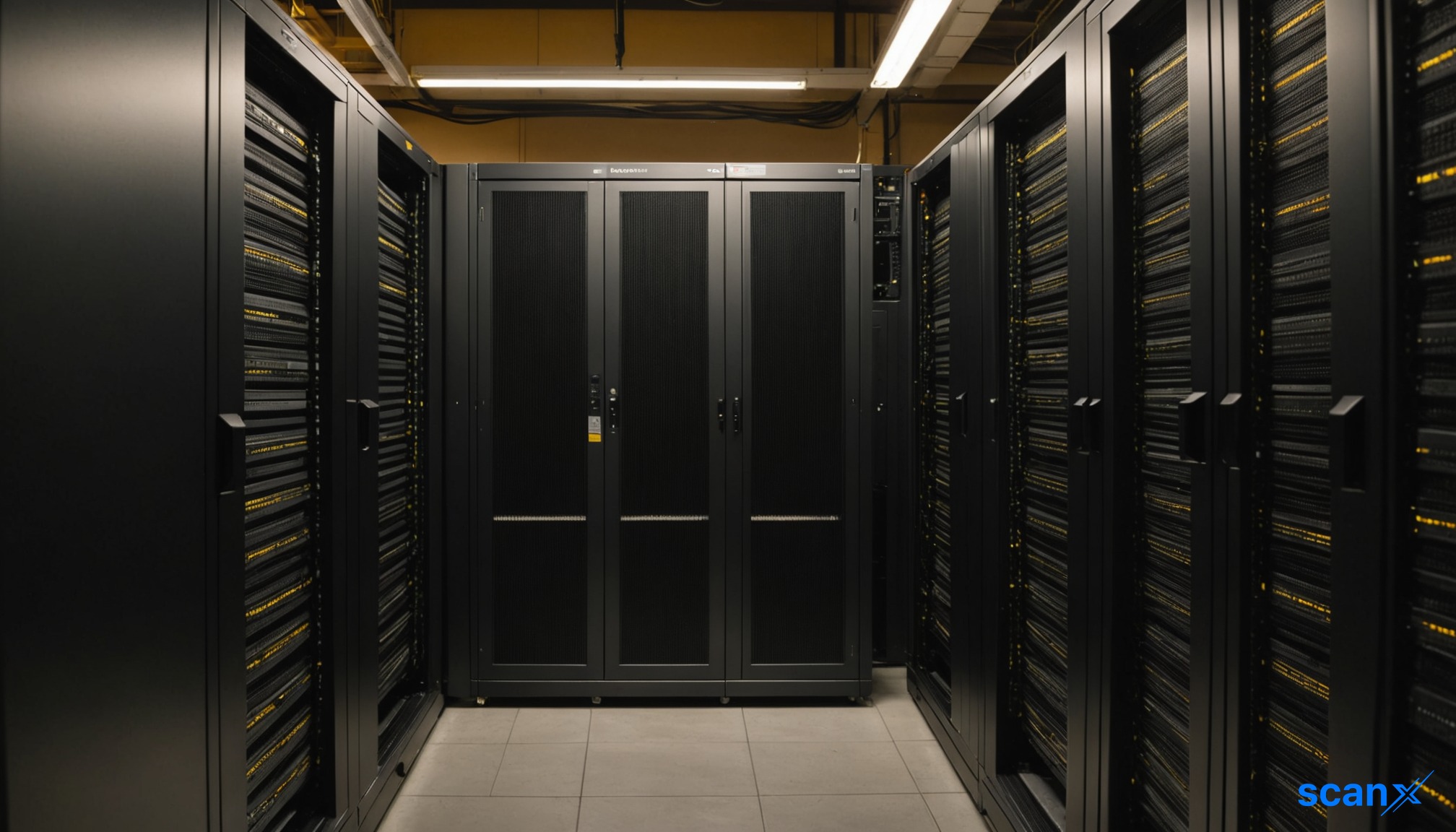
*this image is generated using AI for illustrative purposes only.
SanDisk Corp. shares plunged nearly 10% in Thursday’s premarket trading to $1,220.63, erasing gains from a strong fourth-quarter earnings report that saw revenue and earnings per share exceed Wall Street estimates. The sharp sell-off reflects investor anxiety over the sustainability of the company’s exceptionally high profit margins, which reached nearly 85%, as the memory chip market transitions from AI model training to inference workloads. Despite the financial outperformance, management’s cautious outlook on consumer PC and smartphone shipments, combined with a stock that had already rallied more than 460% year-to-date, triggered significant profit-taking.
The company reported fourth-quarter revenue of $8.97 billion, surpassing consensus estimates of $8.39 billion, while adjusted earnings per share came in at $39.20, beating expectations by nearly $5. This performance marked a dramatic expansion from the prior year’s revenue of $1.9 billion, driven largely by a 437% surge in the data center segment. However, CEO David Goeckeler warned that PC and smartphone unit shipments are expected to decline by the mid-teens in calendar year 2026, although average storage capacity increases may partially offset lower volumes. For the first quarter of fiscal 2027, SanDisk guided revenue between $10.3 billion and $10.8 billion, with adjusted EPS projected at $44 to $46, figures that only modestly exceeded analyst expectations.
Key Financial Metrics
| Metric | Actual | Estimate | Variance |
|---|---|---|---|
| Revenue | $8.97 billion | $8.39 billion | Positive |
| Adjusted EPS | $39.20 | ~$34.20 | +$5.00 |
| Adjusted Gross Margin | ~85% | ~80% | +5 pp |
| Prior Year Revenue | $1.9 billion | — | — |
Analyst Perspectives on Margin Sustainability
Susquehanna analyst Mehdi Hosseini highlighted that the central investment debate for SanDisk is no longer market share but margin durability. With gross margins approaching 80%, Hosseini noted that investors must determine if these levels can be maintained as AI demand shifts toward inference, which could benefit NAND flash demand differently than training workloads. He contrasted this with Western Digital Corp., which faces competitive pressure in hard drives, whereas SanDisk’s challenge is preserving pricing power in a maturing memory cycle. Wedbush analyst Matt Bryson remained optimistic, suggesting that limited industry capacity and multi-year customer agreements could support earnings momentum through fiscal 2027 and 2028.
Strategic Shift and Market Reaction
Goeckeler described a fundamental change in customer relations, moving from quarterly price negotiations to long-term strategic partnerships for AI infrastructure. This shift has provided SanDisk with more than four years of visibility into customer commitments, up from just a few months previously. Some major clients have already expanded multi-year agreements shortly after signing. Despite this strategic depth, KKM Financial founder Jeff Kilburg advised caution, noting the stock’s high beta after climbing from $48 to over $2,300 before retreating roughly 40%. He recommended diversified semiconductor exposure via funds like the iShares PHLX SOX Semiconductor Sector Index Fund (SOXX) rather than chasing individual names like SanDisk or Micron Technology Inc.
What the Numbers Show
The disparity between the earnings beat and the stock’s reaction underscores a market that has priced in near-perfect execution. With the stock up more than 460% year-to-date, even modestly cautious guidance was interpreted negatively. The heavy reliance on the data center segment, which grew 437% year-over-year, creates concentration risk; any slowdown in enterprise AI spending could disproportionately impact results. While the Board of Directors approved an additional $14 billion for share repurchases, bringing total authorization to $15.5 billion, the immediate focus remains on whether operational margins can hold against potential volume declines in consumer devices.

How might the industry-wide shift from AI training to inference workloads specifically impact NAND flash pricing power and SanDisk's ability to maintain its current 85% gross margins?
To what extent can the projected increase in average storage capacity per device offset the anticipated mid-teens decline in PC and smartphone unit shipments by 2026?
Given the 437% year-over-year growth in the data center segment, how vulnerable is SanDisk's revenue model to a potential slowdown in enterprise AI infrastructure spending?
 18
18






 Create Custom Screeners
  Access 200+ Pre-built Filters
  Use 50+ Readymade Screener





