

Saatvik Green Energy files FY26 BRSR report detailing ESG targets


- Saatvik Green Energy filed its FY26 BRSR report detailing ESG performance and governance
- Total energy consumption rose to 190,599.62 GJ while intensity improved to 0.00000419 GJ/INR
- Scope 1 and 2 GHG emissions reached 36,328 MT CO2e against a backdrop of zero liquid discharge
- Workforce includes 722 employees and 1,884 workers with zero lost-time injury frequency rate

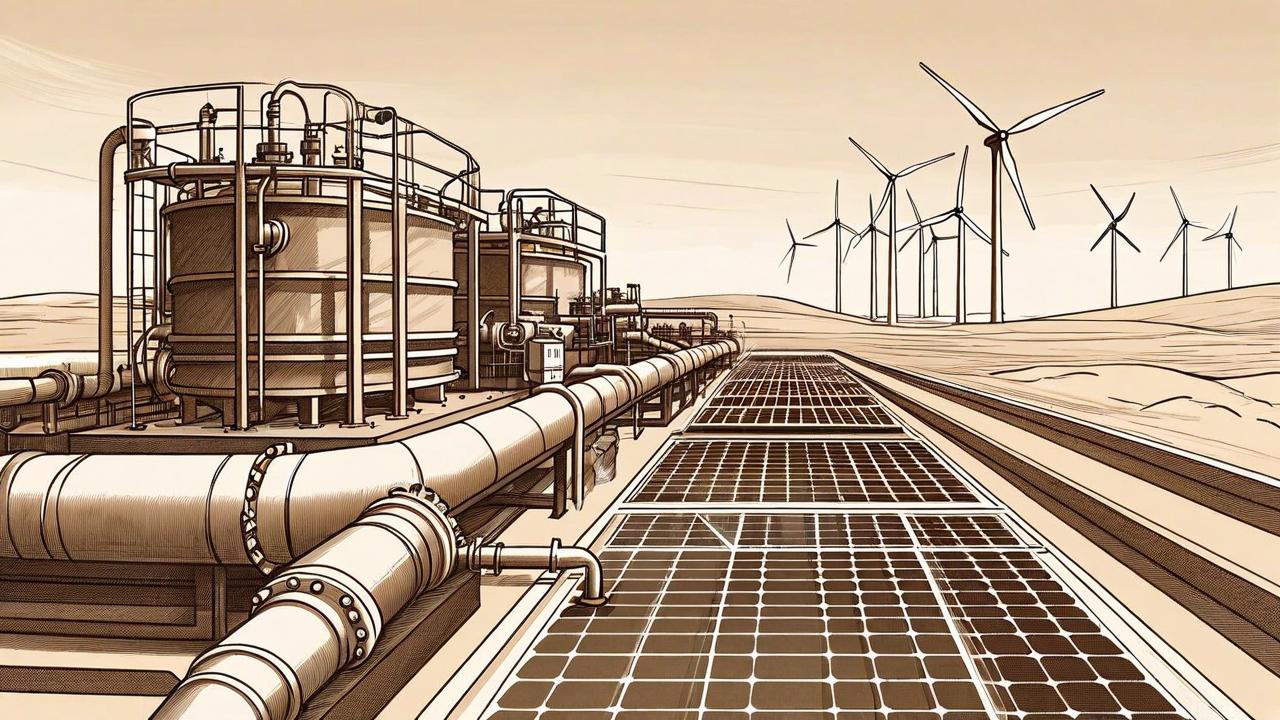

*this image is generated using AI for illustrative purposes only.
Saatvik Green Energy filed its Business Responsibility and Sustainability Report (BRSR) for FY26 with stock exchanges on September 2, 2026. The disclosure outlines the company’s environmental, social, and governance performance alongside its strategic sustainability commitments.
Governance and Oversight
The Board of Directors retains ultimate oversight of business responsibility policies, supported by a dedicated ESG Council led by the Chief Executive Officer. This council includes senior leadership from human resources, finance, sales, and operations to guide sustainability strategy and monitor regulatory compliance.
Saatvik formalised its ESG commitments through Board-approved policies during the reporting year. Key frameworks cover anti-bribery, human rights, sustainable procurement, and data privacy. The company reported no material non-compliances or regulatory penalties during FY26.
Environmental Performance
Solar photovoltaic module manufacturing accounts for 97.2% of total turnover. Total energy consumption rose to 190,599.62 GJ in FY26 from 93,243.39 GJ in the prior year. Despite this increase, energy intensity per rupee of turnover improved slightly to 0.00000419 GJ/INR from 0.00000432 GJ/INR.
Greenhouse gas emissions followed a similar trajectory. Total Scope 1 and Scope 2 emissions reached 36,328 metric tonnes of CO2 equivalent, up from 17,368 metric tonnes previously. However, emission intensity per rupee of turnover declined marginally to 0.0000007987 tonnes/INR.
| Metric | FY26 | FY25 |
|---|---|---|
| Total Energy Consumption | 190,599.62 GJ | 93,243.39 GJ |
| GHG Emissions (Scope 1+2) | 36,328 MT CO2e | 17,368 MT CO2e |
| Water Withdrawal | 37,513 KL | 17,890 KL |
Water withdrawal doubled to 37,513 kiloliters, primarily sourced from groundwater. The company maintains zero liquid discharge across its manufacturing facilities, recycling treated wastewater internally.
Social Metrics and Safety
Workforce composition includes 722 permanent employees and 1,884 workers. Female representation among permanent employees stands at 5%. The company achieved a zero Lost Time Injury Frequency Rate (LTIFR) for both employees and workers during FY26.
Total recordable work-related injuries decreased to 9 from 13 in the prior year. No fatalities or high-consequence injuries were reported. Human rights training covered 100% of employees and workers.
What the Numbers Show
While absolute resource consumption metrics increased significantly alongside operational scale, intensity ratios improved. Energy intensity fell by approximately 3% and GHG emission intensity declined by roughly 0.7% on a per-rupee-of-turnover basis. This divergence suggests that revenue generation outpaced the growth in energy and carbon footprints, indicating improved operational efficiency relative to output despite higher aggregate usage.
Historical Stock Returns for Saatvik Green Energy
| 1 Day | 5 Days | 1 Month | 6 Months | 1 Year | 5 Years |
|---|---|---|---|---|---|
| -0.50% | -1.20% | +0.03% | -14.20% | -25.87% | -10.13% |

How does Saatvik plan to mitigate the environmental impact of its doubled groundwater withdrawal given its reliance on this source?
What specific capital expenditures or technological upgrades are driving the improvement in energy and emission intensity despite rising absolute consumption?
Given the low 5% female representation among permanent staff, what strategic initiatives will Saatvik implement to improve gender diversity in its workforce?
 17
17











 Access 50+ Readymade Screeners
  Use 200+ Custom Filters
  Get Full Market Insights





