

Russel Metals Q2FY26 Results: Revenue rises 37% YoY to $1.7 billion


- Revenue hit a record $1.7 billion, up 37% YoY and QoQ
- Adjusted EBITDA surged to $154 million from $93 million in Q1
- Service center gross margins expanded 130 bps to 22.2%
- US segment contributed 61% of operating profits
- Net debt reduced to $144 million with $500 million liquidity

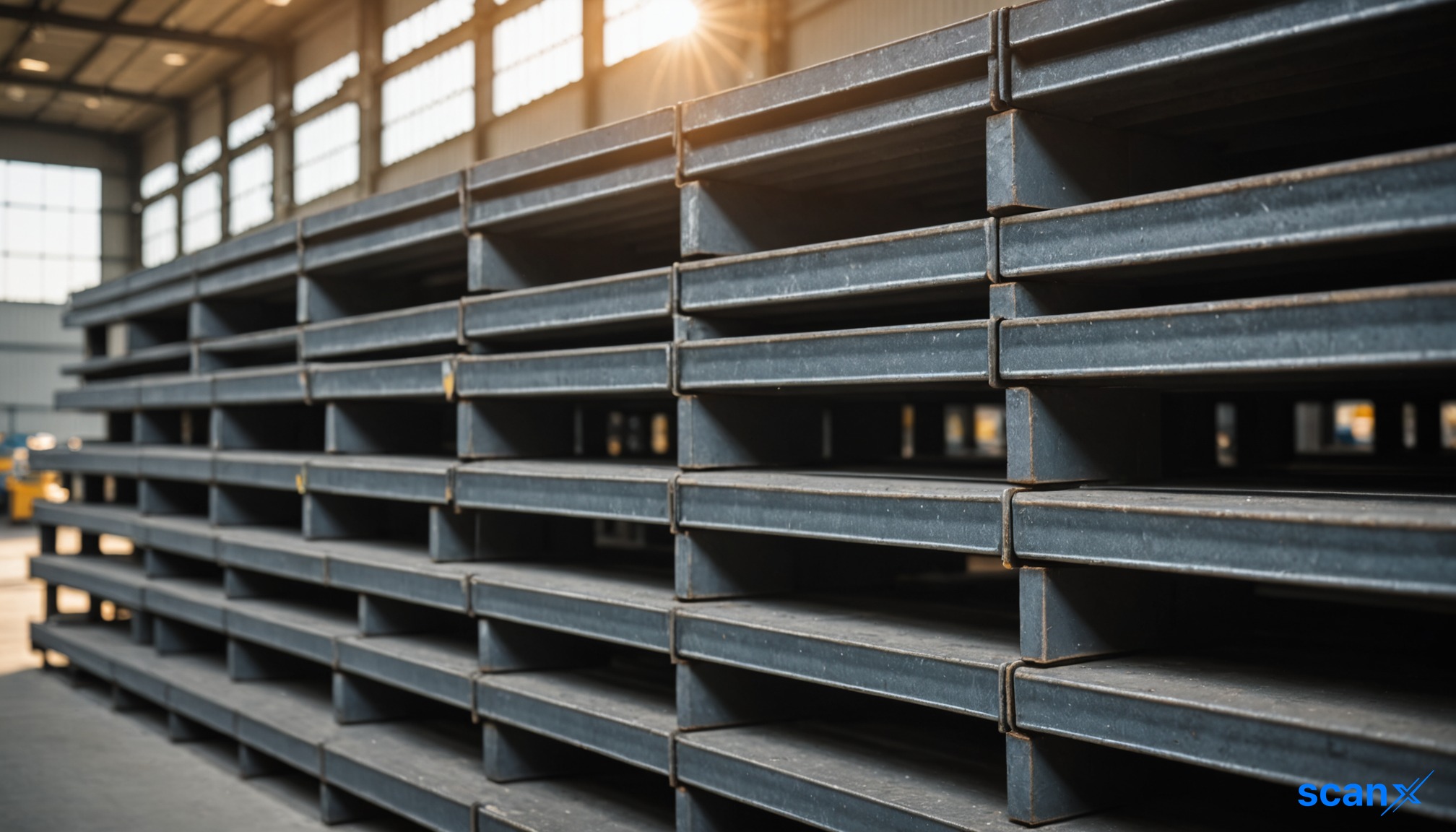

*this image is generated using AI for illustrative purposes only.
Russel Metals Inc. (TSX: RUS) posted record consolidated revenues of $1.7 billion for the second quarter of 2026, marking a 37% increase year-over-year and quarter-over-quarter. The steel service center operator delivered adjusted earnings per share (EPS) of $1.63, doubling the prior quarter’s adjusted figure.
The results reflect strong market conditions across North America, with shipment volumes hitting a new quarterly record exceeding 500,000 tons. Gross margins in the core service center business expanded by 130 basis points to 22.2%, driven by higher price realizations and volume growth.
Financial Performance
Revenue growth was supported by broad-based demand and the integration of the Kloeckner acquisition. The company generated $154 million in adjusted EBITDA for the quarter, a significant improvement from $93 million in Q1FY26. This performance lifted the trailing twelve-month EBITDA above $400 million.
| Metric | Q2FY26 | Change |
|---|---|---|
| Revenue | $1.7 billion | +37% YoY/QoQ |
| Adjusted EBITDA | $154 million | Up from $93M in Q1 |
| Adjusted EPS | $1.63 | ~Double Q1 level |
| Gross Margin (Service Centers) | 22.2% | +130 bps QoQ |
| Net Debt | $144 million | Reduced by $26M QoQ |
Return on invested capital (ROIC) stood at 24% annualized for the quarter. The cumulative return on invested capital from the Kloeckner acquisition, relative to its $128 million purchase price, exceeded 30% annualized over the first six months.
What the Numbers Show
The US segment has become the primary profit engine, contributing 61% of operating profits while accounting for 54% of revenues. This divergence highlights stronger margin dynamics in the US market compared to Canada, although management noted Canadian operations are gaining ground. Additionally, working capital consumed $48 million in cash due to increased inventory levels ahead of peak demand, yet this outflow remained modest compared to historical cycle peaks, indicating improved operational efficiency.
Segment Highlights
Service center volumes rose 6% sequentially to break the 500,000-ton barrier. Same-store tonnage growth was also 6% year-over-year, excluding Kloeckner contributions. Price realizations per ton increased 9% versus Q1, driving gross margin per tonne to $529, a $71 pickup. The Kloeckner business contributed approximately $16 million to EBITDA, double its Q1 output, though its margin profile remains below the company’s legacy operations.
Energy field stores saw operating profit reach its highest quarterly level in three years, driven by robust demand in natural gas and data center infrastructure projects. Steel distributors also benefited from favorable market conditions, with revenues and gross margins rising sequentially.
Capital Allocation and Balance Sheet
Russel Metals returned $24 million to shareholders via dividends in Q2, maintaining a quarterly payout of $0.44 per share. No share buybacks were executed during the quarter, though the company has repurchased 8.7 million shares at an average cost of $38.13 since 2022 under its Normal Course Issuer Bid (NCIB).
The balance sheet remains strong with net debt reduced to $144 million and liquidity exceeding $500 million. Capital expenditures were $18 million in Q2, similar to the previous quarter. Management expects capex to rise in late 2026 and 2027 as two new facility modernization projects, each costing around $10 million, advance in Western Canada and the US South.
Outlook
Management indicated that market conditions remain robust, with steel mill operating rates near 80% and extended lead times suggesting sustained demand through Q3 and Q4. While typical seasonal slowdowns were absent in July and August, margins are expected to remain stable in Q3, potentially benefiting from further operational efficiencies and continued market strength.

How might the upcoming $20 million in facility modernization projects impact Russel Metals' operational efficiency and margin expansion targets for 2027?
Given the Kloeckner acquisition's lower margin profile, what specific integration strategies are management employing to align its performance with legacy operations?
With US steel mill operating rates near 80%, what risks does Russel Metals face regarding potential supply constraints or price volatility in Q3 and Q4?
 17
17







 Access Market Heat-map & Insights
  Create, Save & Share your Screener
  Use 200+ Screening Filters





