

Rajasthan Tube promoter Harish Chand Jain exits 0.29% stake


- Promoter Harish Chand Jain sold 1,32,900 equity shares
- The off-market transaction took place on August 26, 2026
- His stake reduced from 0.29% to 0% of total voting capital
- Total equity share capital remains at 4,50,78,000 shares



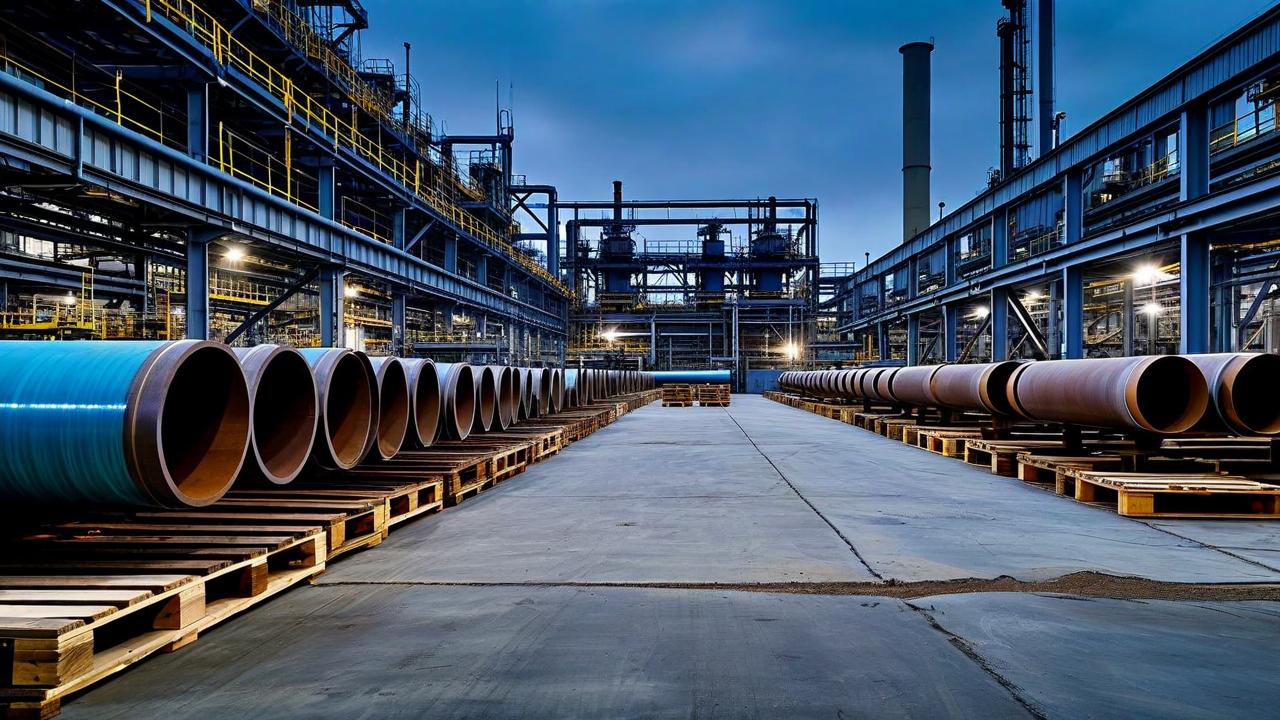
*this image is generated using AI for illustrative purposes only.
Rajasthan Tube Manufacturing promoter Harish Chand Jain has disposed of his entire equity stake in the company. The off-market sale of 1,32,900 shares was executed on August 26, 2026. This transaction reduces his holding from 0.29% to 0% of the total voting capital.
Transaction Details
The disposal was disclosed under Regulation 29(2) of the SEBI (Substantial Acquisition of Shares and Takeovers) Regulations, 2011. The filing was submitted to the BSE Limited on August 27, 2026.
| Metric | Value |
|---|---|
| Shares Sold | 1,32,900 |
| Mode of Sale | Off-market |
| Date of Sale | August 26, 2026 |
| Pre-transaction Holding | 0.29% |
| Post-transaction Holding | 0% |
Jain held no encumbered shares, warrants, or convertible securities prior to the sale. The total equity share capital of Rajasthan Tube Manufacturing remains unchanged at 4,50,78,000 shares following the transaction.
What the Numbers Show
The complete exit of a promoter group member, albeit a small one, signals a reduction in insider ownership concentration. With Jain’s holding dropping to zero, the remaining promoter group’s control over the 4,50,78,000 share capital base is now solely represented by other entities within the group, assuming no other changes occurred simultaneously.
Historical Stock Returns for Rajasthan Tube Manufacturing
| 1 Day | 5 Days | 1 Month | 6 Months | 1 Year | 5 Years |
|---|---|---|---|---|---|
| -3.48% | -2.53% | -15.52% | -33.31% | -78.70% | 0.0% |

How might the complete exit of promoter Harish Chand Jain impact investor sentiment and the stock's liquidity in the near term?
Are there indications that other members of the Rajasthan Tube Manufacturing promoter group are planning similar divestments?
What strategic reasons could drive a promoter to fully liquidate their stake, and does this signal concerns about the company's future growth prospects?
 18
18










 Access 50+ Readymade Screeners
  Use 200+ Custom Filters
  Get Full Market Insights





