

Raj Packaging Q4FY26 Results: Net profit turns positive at ₹34.98 lakh


- Raj Packaging Industries reported a net profit of ₹34.98 lakh in FY26, reversing a ₹71.51 lakh loss in FY25
- Revenue from operations increased 7.8% YoY to ₹3,278.62 lakh, aided by cost controls
- Finance costs decreased to ₹37.77 lakh from ₹46.49 lakh, supporting the profitability turnaround
- Net debt reduced to ₹372.67 lakh from ₹498.55 lakh, improving the debt-to-equity ratio to 0.29
- No dividend was declared for the financial year ended March 31, 2026

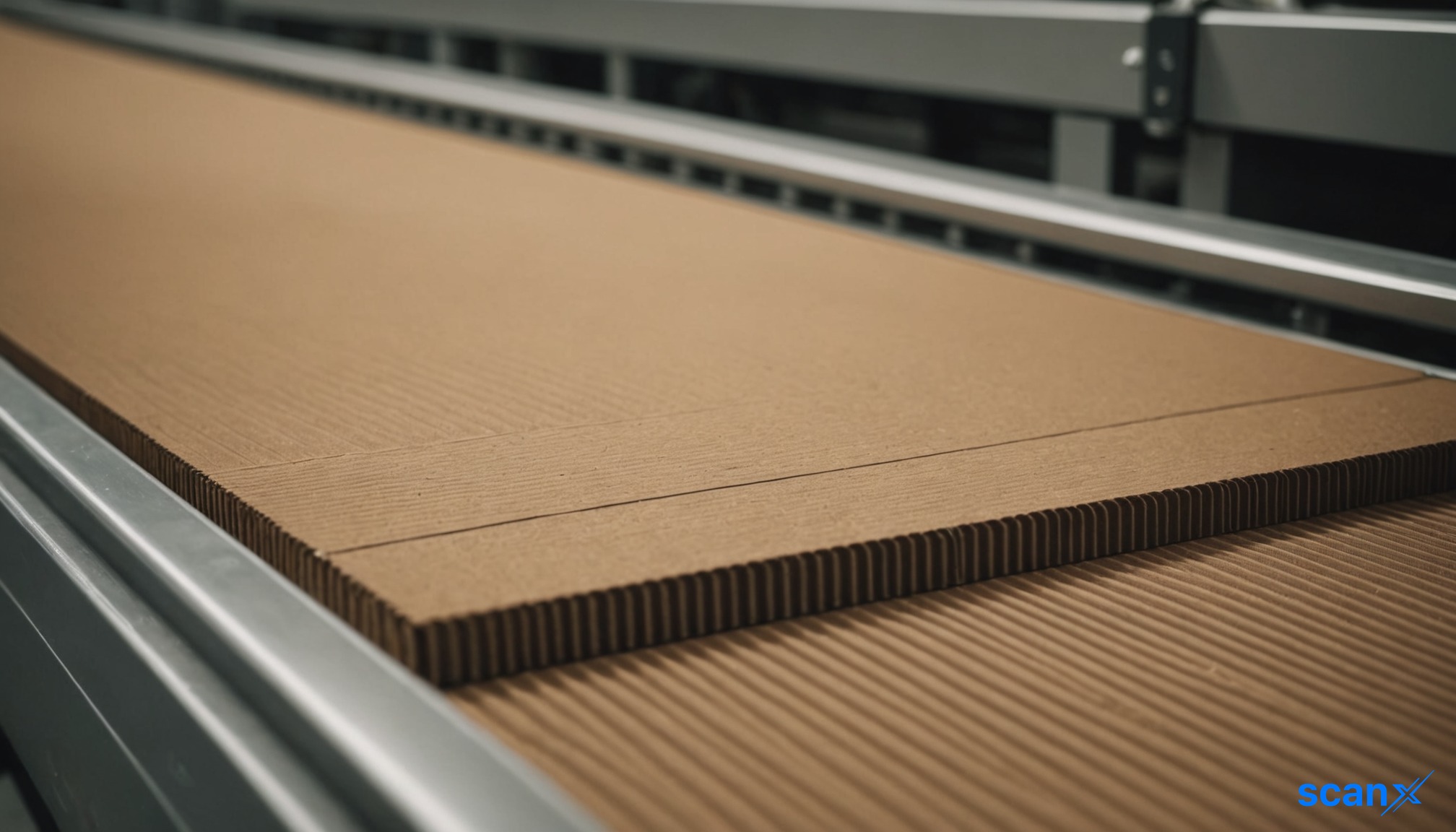

*this image is generated using AI for illustrative purposes only.
Raj Packaging Industries returned to profitability in FY26, reporting a net profit of ₹34.98 lakh compared to a net loss of ₹71.51 lakh in the previous year. The company's revenue from operations grew 7.8% year-on-year to ₹3,278.62 lakh, driven by improved operational efficiency and cost control measures.
The turnaround was supported by a significant reduction in finance costs and disciplined financial management. The Board has not declared any dividend for the financial year ended March 31, 2026.
Financial Performance
| Metric | FY26 | FY25 | Change |
|---|---|---|---|
| Revenue from Operations | ₹3,278.62 lakh | ₹3,042.07 lakh | +7.8% |
| Other Income | ₹3.55 lakh | ₹6.60 lakh | -46.2% |
| Total Income | ₹3,282.17 lakh | ₹3,048.67 lakh | +7.7% |
| Total Expenses | ₹3,235.02 lakh | ₹3,143.57 lakh | +2.9% |
| Profit Before Tax | ₹47.15 lakh | (₹94.90 lakh) | Turnaround |
| Net Profit After Tax | ₹34.98 lakh | (₹71.51 lakh) | Turnaround |
Total expenses rose by ₹91.45 lakh to ₹3,235.02 lakh, primarily due to higher cost of materials consumed (₹2,530.36 lakh vs ₹2,342.42 lakh) and other expenses (₹468.96 lakh vs ₹406.94 lakh). However, these were offset by a decrease in employee benefits expense to ₹219.39 lakh from ₹243.07 lakh and lower finance costs at ₹37.77 lakh against ₹46.49 lakh in the prior year.
What the Numbers Show
The shift from loss to profit was largely driven by a reversal in deferred tax positions rather than just operational gains. While the company generated a profit before tax of ₹47.15 lakh, the net profit after tax stood at ₹34.98 lakh. This divergence is explained by a deferred tax expense of ₹12.17 lakh in FY26, compared to a deferred tax credit of ₹23.84 lakh in FY25. In the previous year, the tax credit helped cushion the bottom line despite a significant pre-tax loss; this year, the tax charge reduced the final profit figure relative to the pre-tax result.
Balance Sheet and Cash Flow
The company reduced its total borrowings during the year. Non-current borrowings fell to ₹167.44 lakh from ₹255.30 lakh, while current borrowings decreased to ₹205.23 lakh from ₹243.25 lakh. Net debt declined to ₹372.67 lakh from ₹498.55 lakh, improving the debt-to-equity ratio to 0.29 from 0.39.
Cash generated from operations turned positive at ₹164.11 lakh, reversing a cash outflow of ₹162.07 lakh in FY25. This improvement was driven by better working capital management, including an increase in trade payables by ₹58.20 lakh. However, inventory levels rose by ₹73.08 lakh, indicating continued investment in stock.
Corporate Governance Updates
The company will hold its 39th Annual General Meeting on September 28, 2026, via video conferencing. Key agenda items include:
- Re-appointment of Ms. Neepa Kankaria as Executive Director.
- Regularization of Mr. Chandra Shekhar Agrawal as an Independent Director.
- Revision of remuneration for Ms. Neepa Kankaria from ₹2.10 lakh per month to ₹2.60 lakh per month, effective August 1, 2026.
Mr. Dayaniwas Sharma resigned as an Independent Director on September 1, 2025. Ms. Khushboo Joshi was appointed as Company Secretary and Compliance Officer on August 14, 2026, succeeding Ms. Swarupa Rani K.
Historical Stock Returns for Raj Packaging Industries
| 1 Day | 5 Days | 1 Month | 6 Months | 1 Year | 5 Years |
|---|---|---|---|---|---|
| -8.95% | -8.77% | -18.57% | 0.0% | -31.65% | -5.00% |

How sustainable is the current profitability given that the turnaround was significantly aided by deferred tax reversals rather than pure operational margins?
Will the 7.8% revenue growth be sufficient to offset rising material costs, which increased by nearly ₹188 lakh year-on-year?
How does the management plan to address the ₹73 lakh increase in inventory levels without negatively impacting working capital efficiency?
 18
18






 Create Custom Screeners
  Access 200+ Pre-built Filters
  Use 50+ Readymade Screener





