

Qualcomm wins hyperscaler deals, revenue to rise


Qualcomm has secured two major hyperscaler deals for its custom silicon, with revenue expected to start contributing at the end of this year. The company's Data Center Chief announced that commercial sampling of the High Bandwidth Compute Gen 1 with AI250 is expected in mid-2027, followed by the launch of the second-generation HBC chip in 2028.

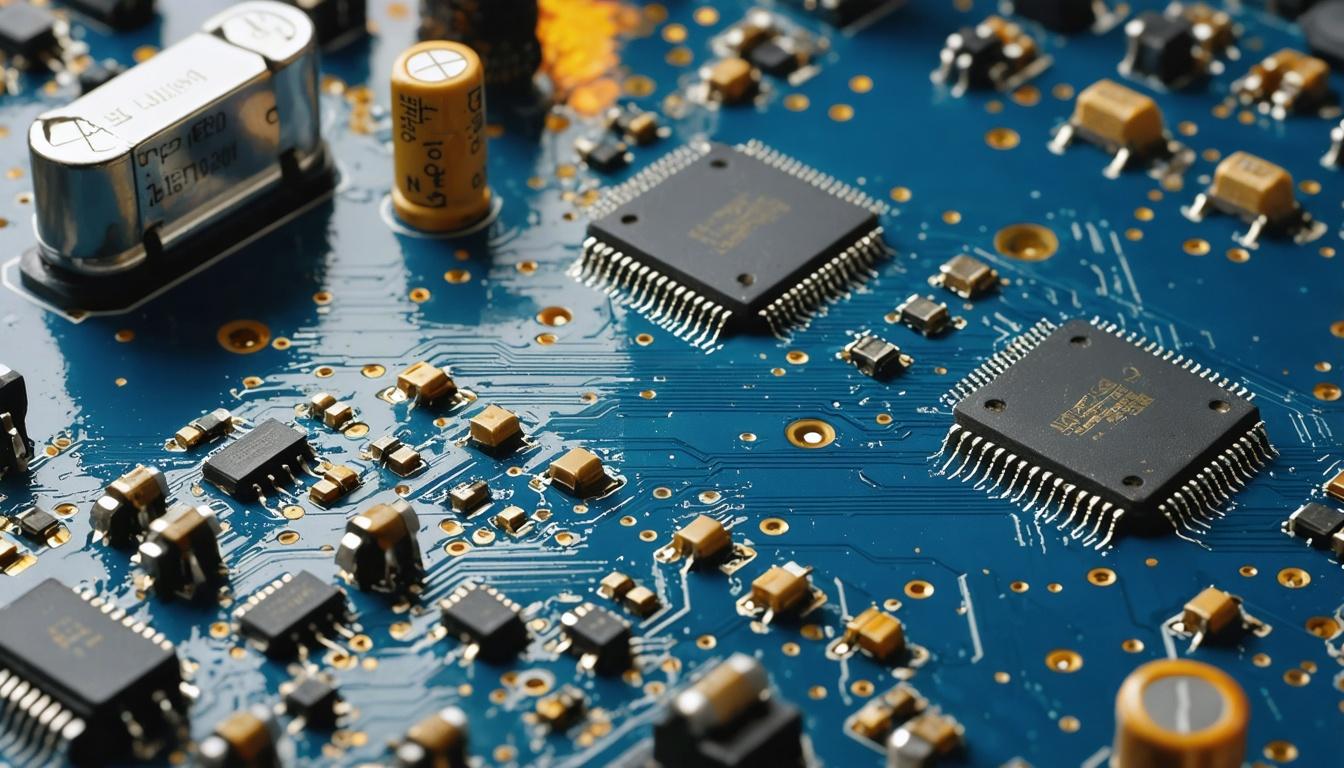

*this image is generated using AI for illustrative purposes only.
Qualcomm has secured two major hyperscaler deals for its custom silicon initiatives, which are expected to contribute meaningful revenue starting at the end of this year. The company's Data Center Chief confirmed the agreements, signaling a strategic shift in its data center market approach. This revenue stream is projected to materialize in the period ending with the calendar year that commences in Q1 2027.
The company continues to advance its hardware roadmap alongside these commercial wins. Commercial sampling of the Qualcomm High Bandwidth Compute Gen 1 with AI250 is expected in mid-2027. Following this, Qualcomm plans to launch the second generation of the HBC chip in 2028, marking a deeper expansion into the server processor market.
Product Launch Timeline
The upcoming data center CPU represents Qualcomm's expansion beyond its traditional mobile and connectivity focus. The mid-2028 launch target provides a specific window for the market entry of this new hardware category, following the initial sampling phase of the Gen 1 chip.
Revenue Projections
Qualcomm projects that its custom silicon initiatives will begin contributing significant financial results starting in the period ending with the calendar year that commences in Q1 2027. This indicates a phased approach to monetizing its new data center technologies before the full CPU launch.

How will these new custom silicon deals impact Qualcomm's competitive positioning against established data center players like AMD and Intel?
What are the potential risks or challenges Qualcomm might face in scaling production to meet hyperscaler demand by late 2027?
Could the success of the HBC Gen 1 and Gen 2 chips prompt Qualcomm to further diversify beyond its traditional mobile and connectivity markets?
 17
17









 Create Custom Screeners
  Access 200+ Pre-built Filters
  Use 50+ Readymade Screener





