

Quadrant Future Tek FY26 Results: Net loss widens 118% to ₹429.42 million


- Net loss widened 118% YoY to ₹429.42 million from ₹196.75 million
- Revenue grew marginally by 2% to ₹1,529.67 million
- EBITDA turned negative at -₹339.78 million due to rising input costs
- Total debt reduced significantly to ₹240.24 million from ₹854.16 million
- Received RDSO approval for KAVACH 4.0 passenger trials

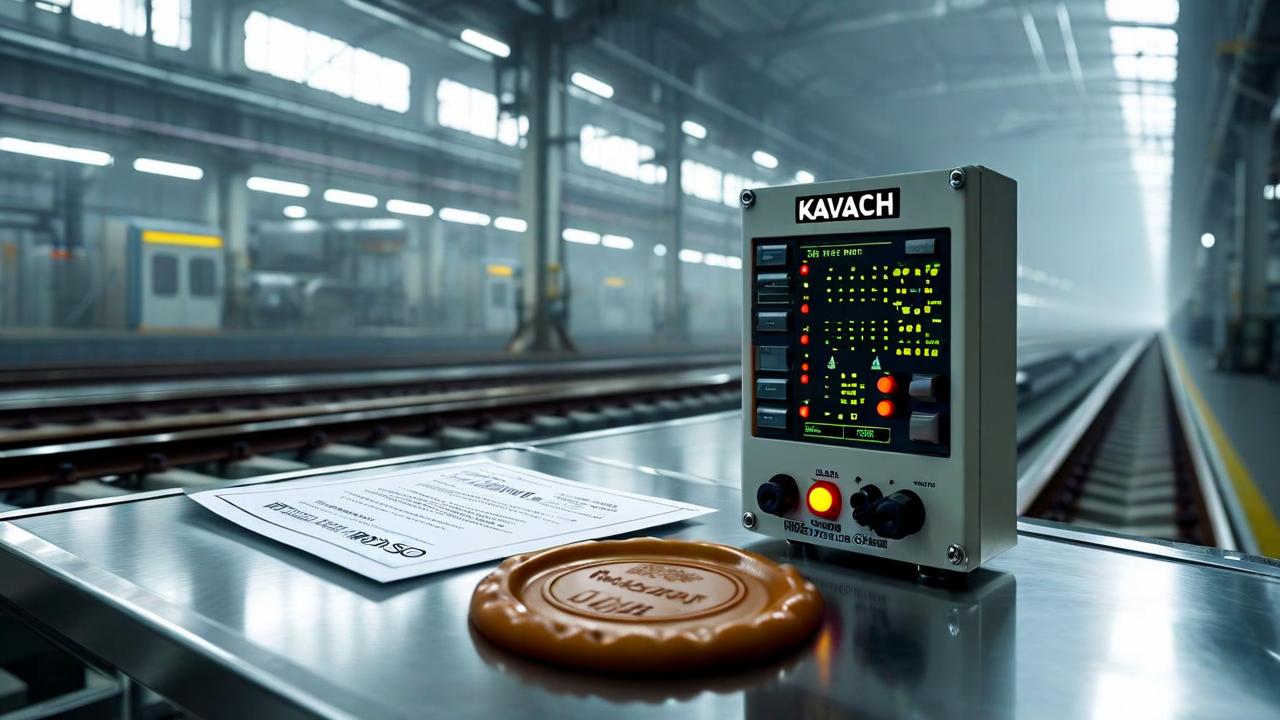

*this image is generated using AI for illustrative purposes only.
Quadrant Future Tek reported a net loss of ₹429.42 million for the financial year ended March 31, 2026, widening significantly from a loss of ₹196.75 million in FY25. The specialty cable and train control systems manufacturer recorded revenue from operations of ₹1,529.67 million, reflecting a marginal growth of 2% over the previous fiscal year.
The company's operating performance deteriorated sharply, with EBITDA swinging to a negative ₹339.78 million from a positive ₹26.23 million in FY25. This contraction was primarily driven by a surge in raw material costs and heavy investments in the Train Control & Signalling Systems (TCAS) division. Cost of raw materials consumed jumped 77% year-on-year to ₹1,893.74 million, heavily compressing margins despite stable revenue generation from its core cable business.
Financial Performance Snapshot
| Metric | FY26 | FY25 | Change |
|---|---|---|---|
| Revenue from Operations | ₹1,529.67 million | ₹1,506.12 million | +2% |
| EBITDA | -₹339.78 million | ₹26.23 million | Turned negative |
| Net Profit/Loss | -₹429.42 million | -₹196.75 million | Widened |
| Total Debt | ₹240.24 million | ₹854.16 million | Reduced |
What the Numbers Show
A significant divergence exists between the company's two business segments. The Specialty Cable Division remained profitable, reporting an EBITDA of ₹123.69 million and a profit before tax of ₹44.94 million. In contrast, the TCAS Division incurred a segment loss of ₹463.47 million, primarily due to ongoing R&D, engineering resources, and product validation costs for the KAVACH system. This indicates that the consolidated loss is non-operational for the core cable business but reflects strategic incubation expenses in the signalling vertical.
Balance Sheet and Liquidity
The company strengthened its balance sheet by significantly reducing debt. Total borrowings fell to ₹240.24 million from ₹854.16 million in FY25, bringing the debt-to-equity ratio down to 0.09 from 0.29. However, working capital pressures mounted as inventories more than doubled to ₹1,053.61 million from ₹444.57 million, driven by strategic stocking of raw materials and work-in-progress for upcoming projects. Cash and cash equivalents declined sharply to ₹1.80 million from ₹98.37 million, reflecting the utilization of funds for operational requirements.
Strategic Developments
Despite the financial losses, Quadrant Future Tek achieved critical regulatory milestones. The company received RDSO approval to commence passenger trials for KAVACH 4.0, with a dedicated rail route allocated for final field trials. It also secured BIS approval for solar cables, positioning itself to tap into the renewable energy market. The active order book stands at ₹8,612 million, including ₹8,054 million in TCAS orders, providing visibility for future revenue realization once commercial deployment scales up.
Historical Stock Returns for Quadrant Future Tek
| 1 Day | 5 Days | 1 Month | 6 Months | 1 Year | 5 Years |
|---|---|---|---|---|---|
| +0.79% | +8.66% | +29.90% | +75.49% | +23.59% | +18.59% |

How will the successful completion of KAVACH 4.0 passenger trials impact the timeline for revenue recognition from the ₹8,054 million TCAS order book?
What specific cost-control measures or pricing strategies will Quadrant Future Tek implement to mitigate the 77% surge in raw material costs and restore positive EBITDA?
Given the sharp decline in cash reserves to ₹1.80 million, does the company plan to raise additional equity capital or secure new debt facilities to fund working capital requirements for upcoming projects?
 20
20






 Access 50+ Readymade Screeners
  Use 200+ Custom Filters
  Get Full Market Insights





