

Prakash Pipes sets Sept 30 AGM; e-voting opens Sept 27


- Prakash Pipes schedules 9th AGM for September 30, 2026, via VC/OAVM
- Remote e-voting opens September 27 with a cut-off date of September 23
- Final dividend of ₹2.40 per share recommended for FY26 approval
- Total FY26 payout stands at ₹3.40 per share including interim dividend
- Record date for dividend eligibility fixed at September 16, 2026

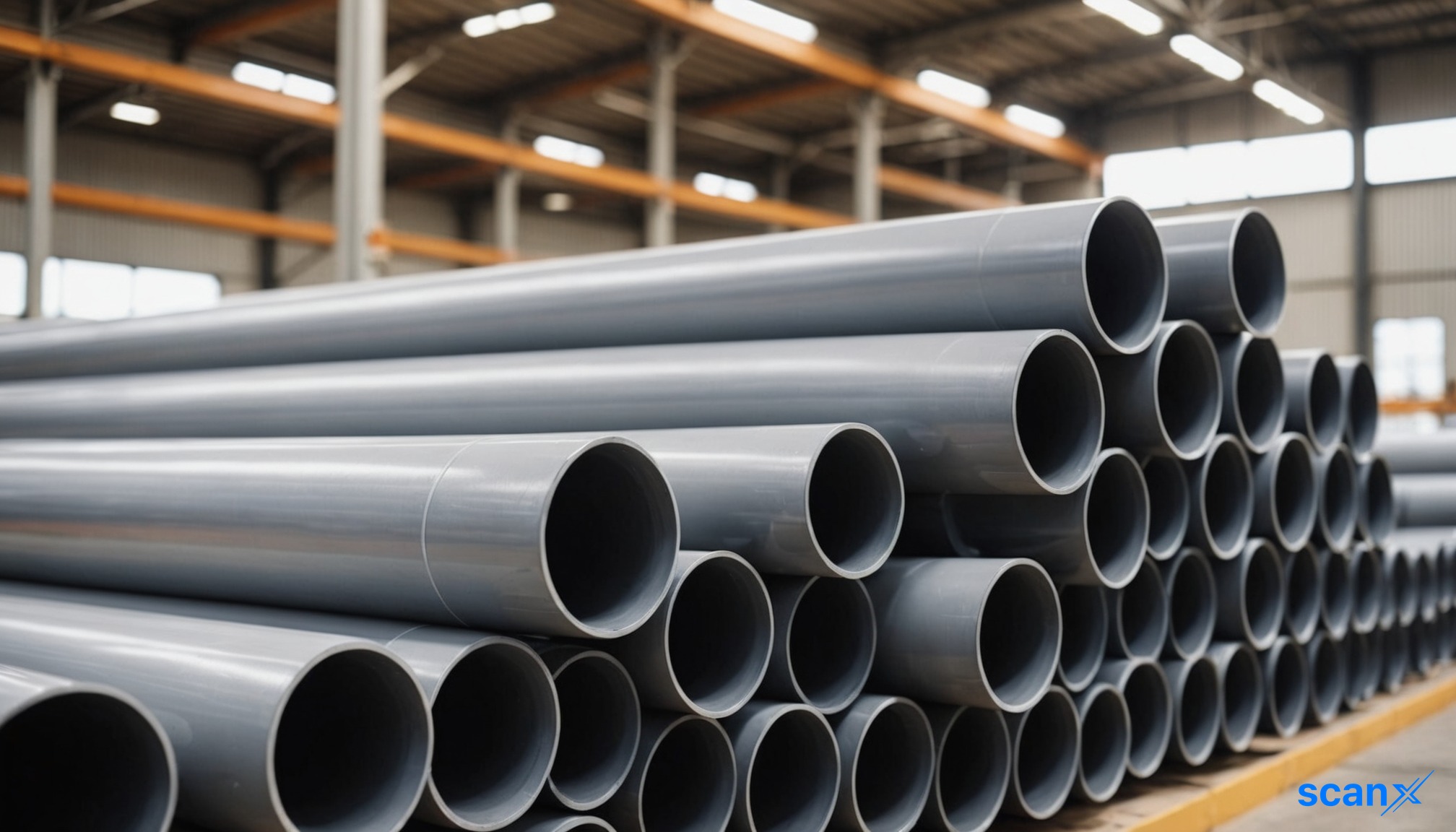

*this image is generated using AI for illustrative purposes only.
Prakash Pipes Limited has scheduled its 9th Annual General Meeting (AGM) for September 30, 2026, to be held through video conferencing or other audio-visual means. The meeting aims to transact business including the approval of the final dividend for FY26.
The company notified stock exchanges on September 9, 2026, regarding the notice published in Business Standard and Desh Sewak. Shareholders will have the option to cast their votes remotely via Central Depository Services (India) Limited (CDSL).
E-voting and Meeting Details
Remote e-voting is available from 9:00 am on September 27, 2026, to 5:00 pm on September 29, 2026. The cut-off date for determining voting eligibility is September 23, 2026. Members who vote remotely cannot vote again at the AGM.
- AGM Date: September 30, 2026
- E-voting Window: Sept 27 (9:00 am) to Sept 29 (5:00 pm)
- Voting Cut-off: September 23, 2026
- Platform: CDSL
Financial Context
The dividend announcement follows the company's FY26 results, which showed a sharp decline in profitability despite modest revenue growth. Prakash Pipes reported a profit after tax (PAT) of ₹43.3 crore for FY26, down 48% from ₹83.1 crore in FY25. Revenue from operations grew by 1% to ₹788.7 crore, while EBITDA contracted significantly by 42% to ₹75.9 crore due to rising raw material costs.
| Metric | FY26 | FY25 | Change |
|---|---|---|---|
| Revenue | ₹788.7 crore | ₹780.5 crore | +1% |
| EBITDA | ₹75.9 crore | ₹130.2 crore | -42% |
| PAT | ₹43.3 crore | ₹83.1 crore | -48% |
Despite the margin pressure, both business divisions recorded volume growth. The PVC Pipes & Fittings division saw sales volumes rise 13% to 48,118 MT, while the Flexible Packaging division expanded by 7% to 16,605 MT.
Dividend Details
Shareholders holding equity shares on the record date will be eligible to receive the dividend, provided it is approved at the AGM. The company maintained a net cash position during FY26, with net debt standing at a surplus of ₹37 crore.
- Record Date: September 16, 2026
- Final Dividend Recommended: ₹2.40 per share
- Total Dividend for FY26: ₹3.40 per share (including interim)
- AGM Date: September 30, 2026
Historical Stock Returns for Prakash Pipes
| 1 Day | 5 Days | 1 Month | 6 Months | 1 Year | 5 Years |
|---|---|---|---|---|---|
| -5.52% | -9.37% | -17.04% | +3.78% | -23.62% | 0.0% |

How might the 42% contraction in EBITDA impact Prakash Pipes' ability to sustain its current dividend payout ratio in FY27?
What specific strategies is management planning to implement to mitigate rising raw material costs and restore margin levels?
Will the volume growth in PVC Pipes and Flexible Packaging divisions be sufficient to offset profitability pressures if input costs remain elevated?
 16
16







 Create Custom Screeners
  Access 200+ Pre-built Filters
  Use 50+ Readymade Screener





