

PMGC targets space economy with precision manufacturing


PMGC Holdings Inc. is utilizing its precision manufacturing subsidiaries, A&B Aerospace, SVM Machining, and AGA Precision Systems, to target the expanding space economy. The global space economy reached $613 billion in 2024 and is projected to grow to $1.8 trillion by 2035. PMGC's U.S.-based operations support space launch systems, in-space manufacturing, and satellite manufacturing. Historical sales data indicates that space-related programs accounted for 5.7% of total revenue over the past two years, with management viewing this as a significant growth opportunity.


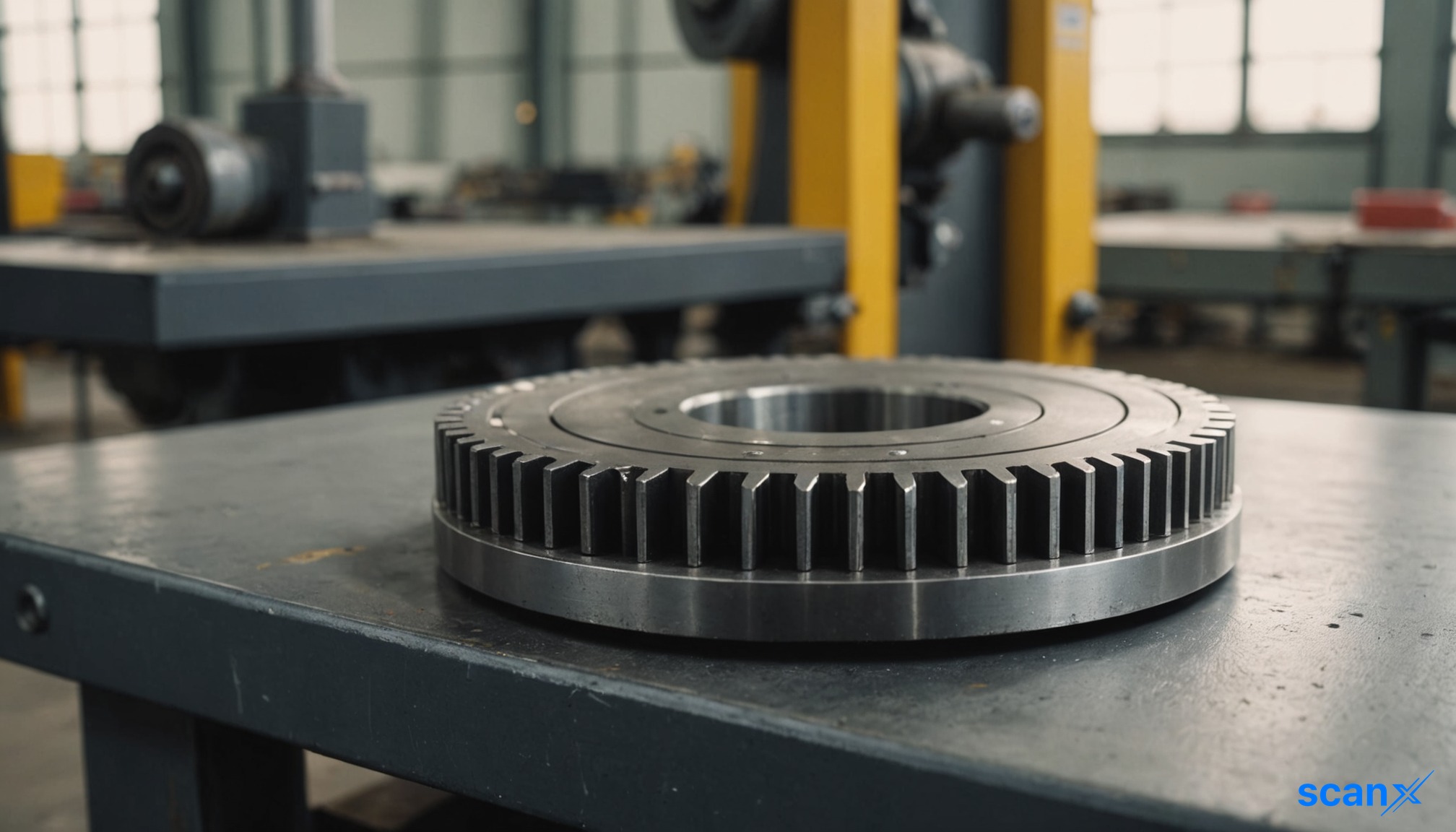
*this image is generated using AI for illustrative purposes only.
PMGC Holdings Inc. is positioning its precision manufacturing platform to capitalize on the growing demand within the space exploration sector. The company's wholly owned subsidiaries—A&B Aerospace, SVM Machining, and AGA Precision Systems—provide advanced manufacturing capabilities aligned with the quality and compliance standards required by aerospace, defense, and space customers. PMGC aims to leverage these assets to serve supply chains for satellites, launch systems, and space infrastructure.
Exposure to High-Growth Space Economy Segments
PMGC's platform is aligned with several high-growth areas of the space economy, including satellites, launch vehicles, spacecraft, and lunar infrastructure. According to The Space Foundation, the global space economy reached a record $613 billion in 2024, up 7.8% year-over-year. McKinsey and the World Economic Forum have projected the sector could grow to approximately $1.8 trillion by 2035. These figures represent total industry size and are not projections of the company's financial performance.
U.S.-Based Precision Manufacturing Capabilities
The company's U.S.-based operating companies provide tight-tolerance CNC machining, fabrication, and complex component manufacturing. PMGC's manufacturing platform is positioned to support three key areas of the space economy:
| Segment | Applications |
|---|---|
| Space Launch Systems | Launch vehicles, propulsion systems, structural assemblies, ground support equipment |
| In-Space Manufacturing and Spacecraft Components | Spacecraft, orbital platforms, mission hardware, advanced space infrastructure |
| Satellite Manufacturing | Satellite systems, payload structures, communications hardware, space-based technologies |
Established Customer Relationships and Growth Opportunity
PMGC's operating companies have established a track record of serving customers across the space, aerospace, and defense sectors, including SpaceX, Moog, and Lawrence Berkeley National Laboratory. According to historical sales data, work performed for space-related programs and applications represented approximately 5.7% of total top-line revenue across A&B Aerospace, SVM Machining, and AGA Precision Systems over the past two years. PMGC management believes this represents an established base of space-sector revenue to grow from, noting that these capabilities were never actively marketed to the broader space economy under prior ownership.

What specific marketing strategies will PMGC implement to increase its space sector revenue beyond the current 5.7%?
How does PMGC plan to scale its U.S. manufacturing capacity to meet the projected surge in demand for space infrastructure by 2035?
Are there plans to expand precision manufacturing capabilities into emerging areas like in-space manufacturing or lunar habitat construction?
 16
16






 Access Market Heat-map & Insights
  Create, Save & Share your Screener
  Use 200+ Screening Filters





