

Pace Digitek marks one year since listing with ₹11,000 Cr order book


- Order book grew to over ₹11,000 crore in FY26 from ₹7,634 crore in FY25
- Energy segment accounted for 88.7% of ₹8,038 crore in post-listing order inflows
- BESS manufacturing capacity expanded to 5 GWh with 10 GWh targeted by FY27-end
- Revenue increased to ₹2,641 crore in FY26 from ₹2,439 crore in FY25

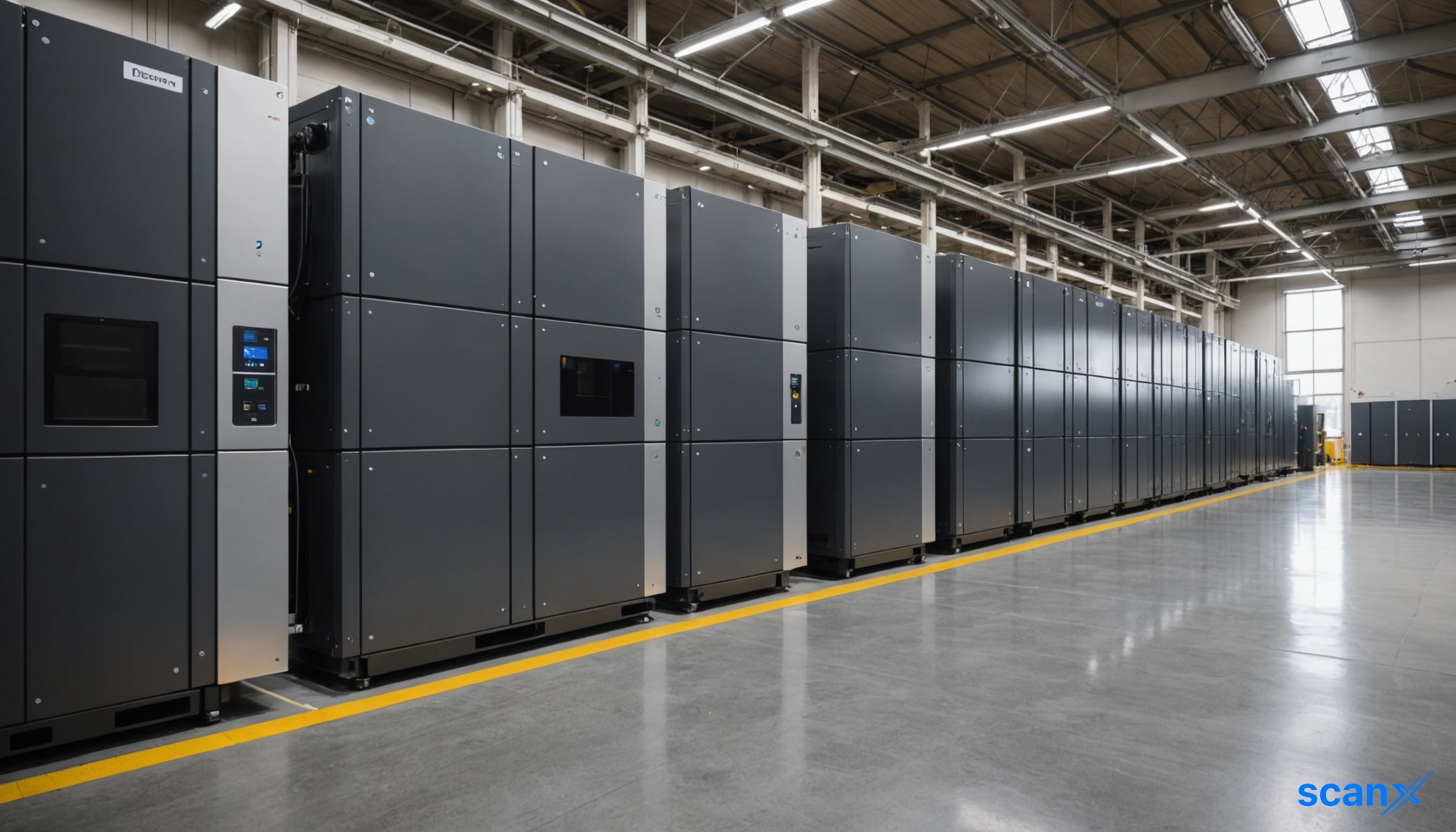

*this image is generated using AI for illustrative purposes only.
Pace Digitek Limited marked the completion of one year since its stock exchange listing by releasing an investor presentation highlighting significant growth in its energy segment. The company reported an order book exceeding ₹11,000 crore as of FY26, a substantial increase from ₹7,634 crore in FY25.
The presentation underscores the company's strategic shift from a telecom and power-electronics foundation to an integrated Battery Energy Storage System (BESS) platform. This transition has been supported by operational milestones, including the commissioning of a 5 GWh BESS manufacturing facility and the securing of major energy projects.
Order inflows and revenue growth
Since its listing, Pace Digitek secured ₹8,038 crore in order inflows. The energy sector accounted for 88.7% of these inflows, totaling ₹7,128 crore, while telecom and ICT contributed ₹910 crore. Within the energy segment, EPC orders stood at ₹4,460 crore, BOO orders at ₹1,775 crore, and supply orders at ₹893 crore.
| Metric | FY25 | FY26 |
|---|---|---|
| Order book | ₹7,634 crore | ₹11,000+ crore |
| Revenue | ₹2,439 crore | ₹2,641 crore |
The company’s revenue grew from ₹2,439 crore in FY25 to ₹2,641 crore in FY26. The expansion in the order book reflects a broadening customer base across utility-scale storage, commercial and industrial applications, and solar-plus-storage solutions.
Capacity expansion and manufacturing performance
Pace Digitek expanded its BESS manufacturing capacity from 2.5 GWh at the time of its IPO in July 2025 to 5 GWh operational capacity by August 2026. An additional 2.5 GWh is planned for commissioning by December 2026, with a target of 10 GWh total capacity by the end of FY27.
In the last 12 months, the company manufactured and delivered over 350 containers, representing more than 1.6 GWh of output. Manufacturing efficiency improved significantly, with utilisation rates rising from approximately 80% to ~85%, and rejection rates dropping from 5% to **0.5%**.
Strategic diversification and technology depth
The company is deepening its platform through backward integration and technology development. Key initiatives include:
- Localization: In-house container manufacturing and localisation of key components.
- R&D: Progress in battery materials, chemistry, and cell technology.
- Software: Development of the PRAJÑA BESS Energy Management System (EMS) for monitoring, control, and optimization.
Telecom operations remain active, supporting the energy expansion. The company completed over 8,000 sites for the BSNL 4G Saturation Project and finished the OFC rollout for TANFINET. Capabilities in power electronics, project management, and field execution built during this phase are being transferred to the energy platform.
What the numbers show
The data reveals a clear pivot in business composition. While total order inflows since listing were ₹8,038 crore, the dominance of energy orders (₹7,128 crore) indicates that the company has successfully transitioned from a telecom-centric model to an energy-led growth platform. Furthermore, the sharp decline in rejection rates from ~5% to ~0.5% alongside rising utilisation suggests that the initial ramp-up phase of the new BESS facility has stabilized, potentially improving margin efficiency in subsequent quarters.
Historical Stock Returns for Pace Digitek
| 1 Day | 5 Days | 1 Month | 6 Months | 1 Year | 5 Years |
|---|---|---|---|---|---|
| +1.37% | +2.76% | -0.78% | +7.54% | -23.72% | -23.72% |

How will the planned capacity expansion to 10 GWh by FY27 impact Pace Digitek's capital expenditure requirements and debt profile?
What specific competitive advantages does the proprietary PRAJÑA Energy Management System offer against established global BESS software providers?
How sensitive are the company's energy segment margins to potential fluctuations in lithium-ion battery raw material costs given its backward integration strategy?
 15
15













 Access Market Heat-map & Insights
  Create, Save & Share your Screener
  Use 200+ Screening Filters





