

Nvidia raises AI server prices over 15% due to rising memory costs


- Nvidia raises AI server prices by over 15% for early 2027 shipments
- Hike driven by surging memory chip costs from suppliers like SK Hynix
- Affected platforms include Vera Rubin and Grace Blackwell systems
- Q2 revenue projected at $92 billion, up 96% year-over-year

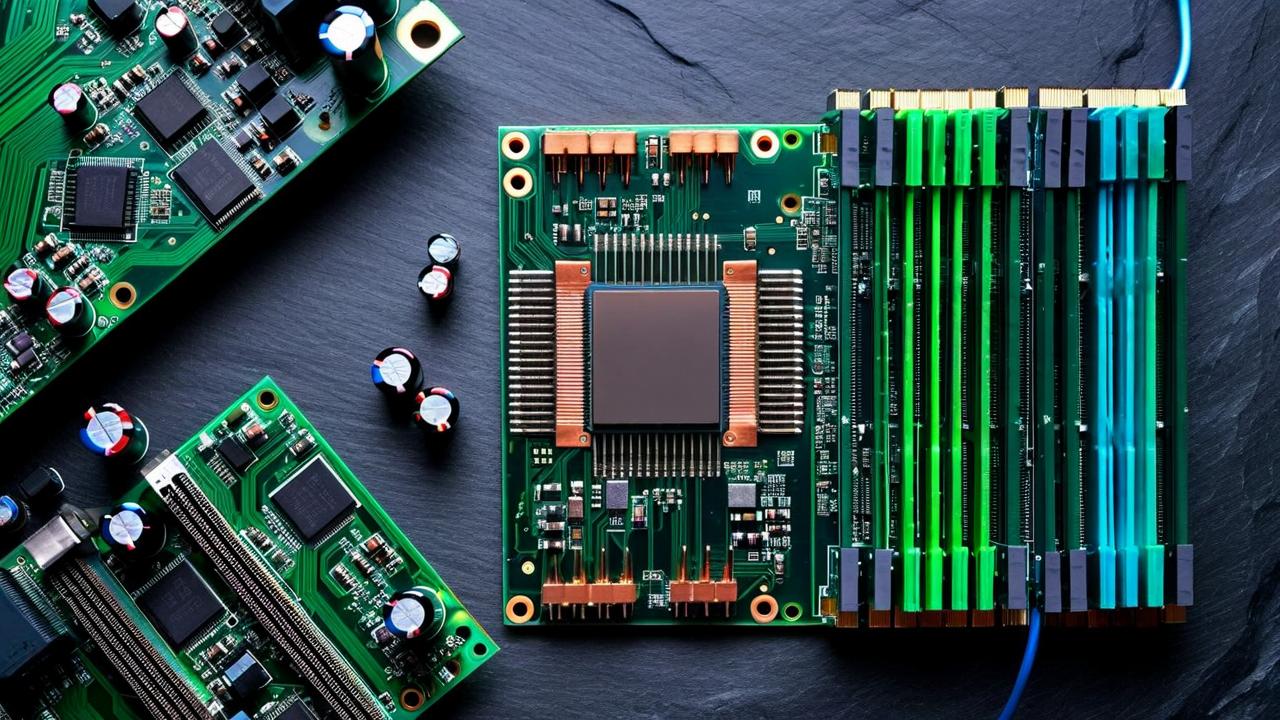

*this image is generated using AI for illustrative purposes only.
Nvidia Corp has informed customers that prices for its artificial intelligence servers will rise by more than 15%. The increase applies to systems equipped with Vera Rubin and Grace Blackwell platforms, with shipments expected in early 2027.
The hike is driven by surging costs for memory chips, which constitute a significant portion of server bill-of-materials. Suppliers including Samsung Electronics, SK Hynix Inc, and Micron Technology have gained pricing power as AI infrastructure demand strains global supply chains.
Affected Platforms and Customers
The price adjustment is not uniform; it depends on the specific Nvidia chip generation and memory configuration used in each system. Server manufacturers building for major data center operators have already begun notifying their clients.
Key companies reportedly affected include:
- Microsoft Corp
- Alphabet Inc’s Google
- Oracle Corp
Nvidia did not immediately respond to requests for comment regarding the specific magnitude of increases for individual SKUs.
Market Context
The move reflects broader inflationary pressures in the semiconductor supply chain. Similar to recent price adjustments by Apple Inc and Qualcomm Inc, Nvidia is passing on higher input costs to enterprise buyers. This development comes as the company prepares to report second-quarter results on Aug. 26, with analysts projecting revenue of $92 billion, a 96% jump year-over-year. Third-quarter guidance is projected to reach $103 billion.
Nvidia shares closed at $214.72 on Friday, down 0.98% for the day. In the past 12 months, Nvidia shares are up by 19.41%.
What the Numbers Show
The correlation between rising memory costs and Nvidia’s pricing strategy highlights a dependency in AI hardware economics. While Nvidia’s revenue is projected to surge to $92 billion in Q2, the pass-through of component costs suggests that gross margin expansion may face headwinds if memory prices continue to outpace volume efficiencies. The 15%+ hike indicates that supply constraints are shifting bargaining power from chipmakers to component suppliers like SK Hynix and Micron.

How might the 15% price increase for Vera Rubin and Grace Blackwell platforms impact the capital expenditure forecasts of major hyperscalers like Microsoft and Google for 2027?
Will rising memory costs from suppliers like SK Hynix and Micron compress Nvidia's gross margins, potentially offsetting the projected revenue growth in upcoming quarters?
Could sustained high pricing power among memory chip manufacturers accelerate the development of alternative AI hardware architectures that rely less on expensive HBM memory?
 19
19




 Create Custom Screeners
  Access 200+ Pre-built Filters
  Use 50+ Readymade Screener





