

CleanMax partners with Nuvoco on 46.4 MW wind-solar hybrid project


- CleanMax and Nuvoco partner on a 46.4 MW wind-solar hybrid project in Rajasthan
- Project includes 20 MW wind, 26.4 MWp solar, and 2 MWh battery storage
- Expected to generate ~100 MU of renewable electricity annually
- Anticipated to avoid ~1.25 lakh tonnes of CO2 emissions per year



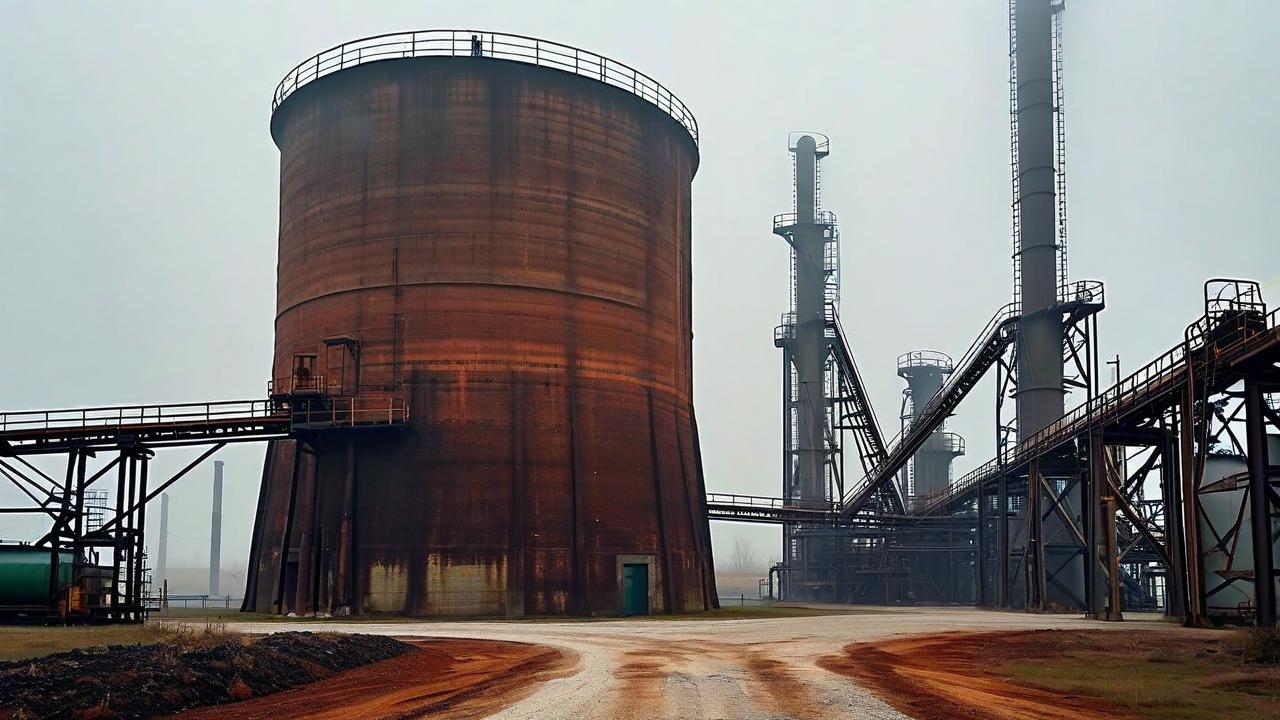
*this image is generated using AI for illustrative purposes only.
Clean Max Enviro Energy Solutions Limited has partnered with Nuvoco Vistas Corporation Ltd to develop a 46.4 MW wind-solar hybrid renewable energy project in Rajasthan. The initiative aims to supply cleaner power to Nuvoco’s cement operations, directly supporting its decarbonisation goals.
The project, located at Bhikamkhore, Rajasthan, will be developed by CleanMax as an Independent Power Producer (IPP). It comprises 20 MW of wind capacity and 26.4 MWp of solar capacity, integrated with a 2 MWh Battery Energy Storage System (BESS). The generated power will be transmitted to Nuvoco via the State Transmission Utility (STU) Open Access network under a group captive structure.
Project capacity and environmental impact
The initiative is designed to generate approximately 100 million units (MU) of renewable electricity annually. By shifting from conventional sources to this hybrid renewable mix, the company expects to avoid approximately 62,023 tonnes of CO2 emissions annually under Scope 2 and 63,463 tonnes of CO2 emissions annually under Scope 1. This reduction aligns with Nuvoco’s broader strategy to lower fossil-fuel consumption and enhance energy efficiency in its manufacturing ecosystem.
| Component | Capacity / Impact |
|---|---|
| Total Project Capacity | 46.4 MW |
| Wind Capacity | 20 MW |
| Solar Capacity | 26.4 MWp |
| Battery Storage (BESS) | 2 MWh |
| Annual Generation | ~100 MU |
| Annual CO2 Avoidance (Scope 1) | ~63,463 tonnes |
| Annual CO2 Avoidance (Scope 2) | ~62,023 tonnes |
Strategic alignment and corporate commentary
Jayakumar Krishnaswamy, Managing Director of Nuvoco, stated that the collaboration strengthens the energy mix across Rajasthan operations while improving long-term cost efficiency. The move is part of the company’s DIRE (Digitalisation, Innovation and Renewables) agenda, which focuses on climate action, water stewardship, and circularity. Kuldeep Jain, Founder and Managing Director of CleanMax, emphasized that manufacturing industries increasingly view clean energy as integral to core operations, noting the need for dependable power for continuous industrial processes.
The partnership reflects the evolving role of renewable energy in supporting the energy requirements of India's industrial sector. As businesses work to improve energy efficiency, manage operating costs and reduce emissions, renewable energy solutions are increasingly being considered as part of long-term energy strategies.
What the numbers show
CleanMax’s operational portfolio in Rajasthan exceeds 525 MW across solar, wind, and hybrid assets, indicating a mature development ecosystem for this new 46.4 MW addition. For Nuvoco, the projected avoidance of over 1.25 lakh tonnes of CO2 highlights a significant operational shift towards sustainability, potentially mitigating future regulatory costs associated with carbon emissions. The split between Scope 1 and Scope 2 emissions underscores the dual benefit of direct fuel substitution and grid decarbonisation.
Historical Stock Returns for Nuvoco Vistas Corporation
| 1 Day | 5 Days | 1 Month | 6 Months | 1 Year | 5 Years |
|---|---|---|---|---|---|
| +1.33% | -0.11% | +1.65% | +10.23% | -21.36% | -39.71% |

How will the 2 MWh BESS integration specifically impact the reliability of power supply for Nuvoco's continuous cement manufacturing processes during peak demand or grid instability?
What are the projected long-term cost savings for Nuvoco compared to conventional thermal power, and how might these savings influence their capital expenditure allocation in future fiscal years?
Could this partnership serve as a template for other Indian cement manufacturers, potentially accelerating the adoption of group captive renewable structures across the broader industrial sector?
 20
20












 Create Custom Screeners
  Access 200+ Pre-built Filters
  Use 50+ Readymade Screener





