

Nurix Therapeutics secures $10 million as Gilead extends oncology deal


- Nurix received a $10 million fee for extending the research term with Gilead Sciences
- The extension covers an undisclosed oncology program for an additional two years
- Total potential payments for Nurix are up to $1.3 billion based on milestones
- GS-6791, an oral IRAK4 degrader, is currently in Phase 1 clinical development


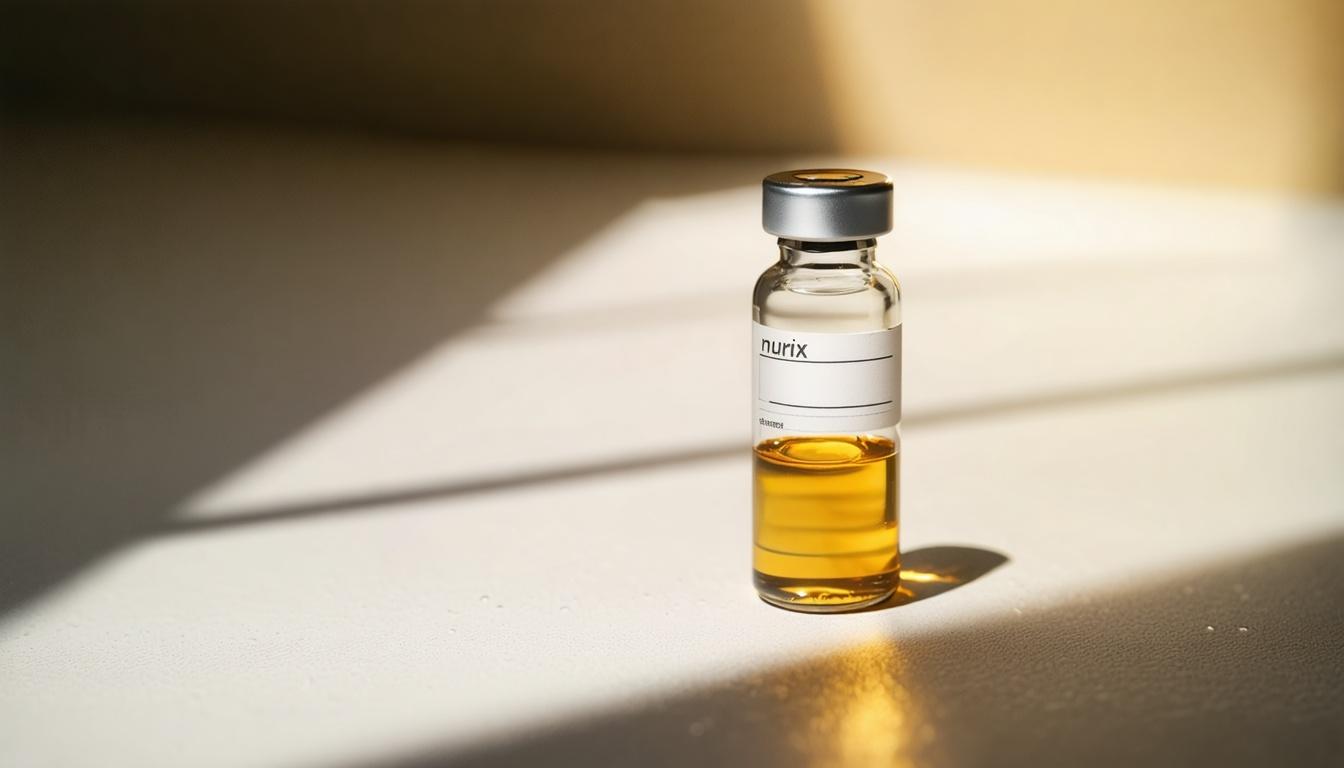
*this image is generated using AI for illustrative purposes only.
Nurix Therapeutics has received a $10 million research term extension fee after Gilead Sciences agreed to extend the research term for an undisclosed oncology program by two years.
This marks the second two-year extension for this specific program within the companies' ongoing strategic collaboration. The agreement, originally established in 2019, leverages Nurix's proprietary drug discovery platform to identify novel agents that use E3 ligases to induce degradation of specified drug targets.
Collaboration terms and financial potential
Under the amended agreement, Nurix retains options for 50/50 profit and loss sharing for development and commercialization on up to two programs in the United States. For these selected programs, the parties will share U.S. development costs, profits, and losses equally. Nurix will also be eligible to receive royalties on ex-U.S. sales and reduced milestone payments.
As of May 31, 2026, Nurix is eligible to receive up to approximately $1.3 billion in total payments based on additional fees and the successful completion of preclinical, clinical, development, and sales milestones. The company is also entitled to mid-single-digit to low-teens percentage tiered royalties on annual net sales from any commercial products.
| Financial Metric | Amount/Detail |
|---|---|
| Extension Fee | $10 million |
| Total Potential Payments | Up to $1.3 billion |
| Royalty Rate | Mid-single-digit to low-teens % |
| Profit Sharing Option | 50/50 (US, up to 2 programs) |
Platform capabilities and clinical progress
Gwenn M. Hansen, chief scientific officer of Nurix, stated that the extension reflects Gilead’s commitment to productive collaborations and the potential of Nurix’s targeted protein degradation platform. The collaboration has already advanced GS-6791, an oral IRAK4 degrader discovered by Nurix, into Phase 1 clinical development.
"This extension provides further evidence of the value of the collaboration and the capabilities of our platform," Hansen said. The partnership aims to discover and advance additional drug candidates across oncology and inflammatory diseases.
What the numbers show
The receipt of a $10 million upfront fee for a two-year extension indicates strong partner confidence in the pipeline's viability. When viewed against the total potential milestone value of $1.3 billion, this initial payment represents less than 1% of the maximum deal value, highlighting that the majority of Nurix's financial upside remains contingent on future clinical and commercial successes rather than immediate cash inflows.

How will the second two-year extension impact Nurix's cash runway and ability to fund internal pipeline development independently?
What are the specific clinical readout timelines for GS-6791, and how might Phase 1 data influence Gilead's decision to exercise the 50/50 profit-sharing option?
Given the $1.3 billion milestone potential, what is the probability-weighted value of the undisclosed oncology program compared to Nurix's current market capitalization?










 Create Custom Screeners
  Access 200+ Pre-built Filters
  Use 50+ Readymade Screener





