

Molecular Partners net loss narrows to CHF 26.7m in H1FY26


- Net loss narrows to CHF 26.7m in H1FY26 from CHF 37.2m in prior year
- Cash position stands at CHF 67.9m as of June 30, 2026
- Operating expenses fall to CHF 27.0m due to lower restructuring costs
- Headcount reduces to 116.7 FTEs from 153.0 FTEs in H1 2025
- Lead candidate MP0712 advances to dose level 2 in Phase 1/2a study

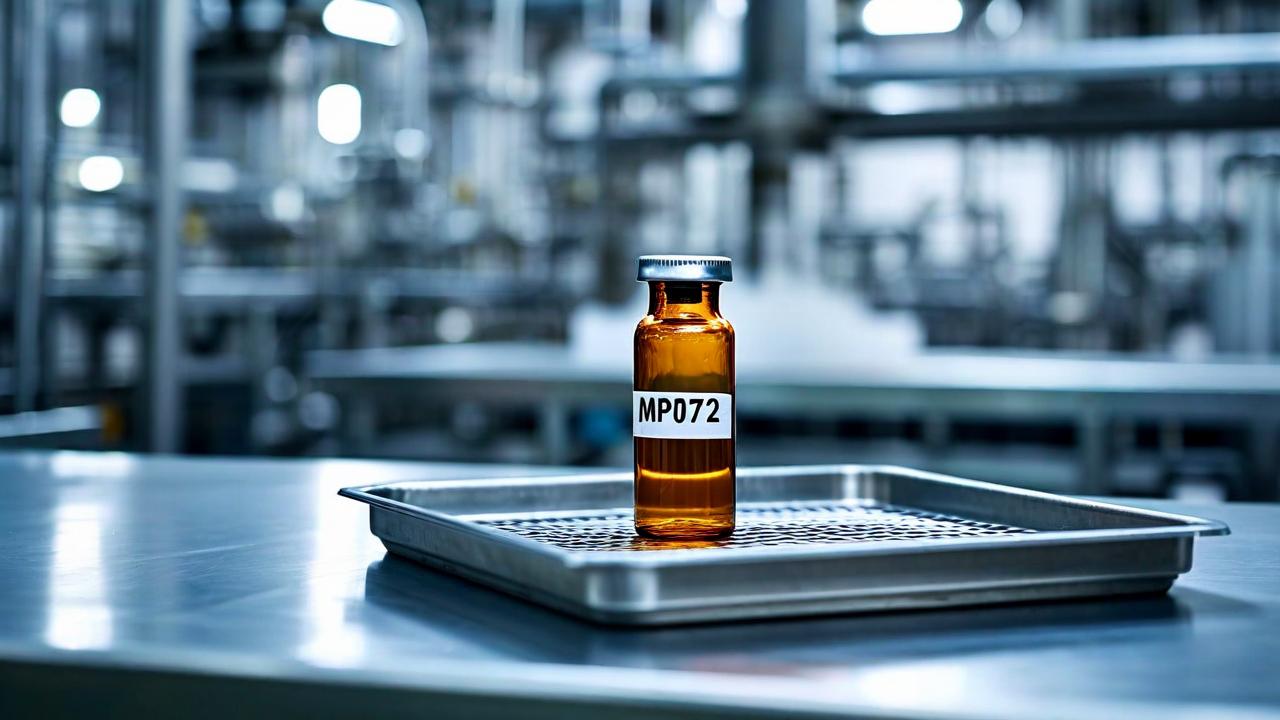

*this image is generated using AI for illustrative purposes only.
Molecular Partners AG reported a net loss of CHF 26.7 million for the first half of 2026, a significant improvement from the CHF 37.2 million loss recorded in H1 2025. The Zurich-based clinical-stage biotech company also disclosed a cash position of CHF 67.9 million as of June 30, 2026.
The company attributed the narrower loss to disciplined cost management and progress in its clinical pipeline, particularly its lead Radio-DARPin candidate MP0712. Management stated that current cash reserves are sufficient to fund operations into late 2027, excluding potential payments from research and development partnerships.
Financial Performance
Total operating expenses fell by CHF 6.5 million year-over-year to CHF 27.0 million in H1 2026, compared to CHF 33.5 million in the same period last year. This reduction was driven primarily by lower restructuring expenses, which were nil in the current period versus CHF 2.7 million in H1 2025.
Research and development expenses decreased by CHF 3.6 million to CHF 19.0 million, while selling, general, and administrative expenses remained relatively stable at CHF 8.0 million, down slightly from CHF 8.2 million. Net cash used in operating activities improved by CHF 5.2 million to CHF 25.0 million, reflecting the lower burn rate.
| Metric | H1 2026 | H1 2025 | Change |
|---|---|---|---|
| Total operating expenses | (27.0) million CHF | (33.5) million CHF | 6.5 million CHF |
| R&D expenses | (19.0) million CHF | (22.6) million CHF | 3.6 million CHF |
| SG&A expenses | (8.0) million CHF | (8.2) million CHF | 0.2 million CHF |
| Net result | (26.7) million CHF | (37.2) million CHF | 10.5 million CHF |
| Cash & cash equivalents | 67.9 million CHF | 114.5 million CHF | (46.6) million CHF |
What the Numbers Show
The divergence between the net loss and operating cash outflow highlights the impact of non-cash charges on the company's bottom line. While the net loss narrowed by CHF 10.5 million, operating cash usage declined by only CHF 5.2 million. This gap suggests that non-cash items, such as share-based payments and depreciation (estimated at approximately CHF 6 million annually), constitute a material portion of the reported expense reduction, preserving more cash than the income statement alone might indicate.
Additionally, the company reduced its full-time employee headcount by 36.3, from 153.0 FTEs in H1 2025 to 116.7 FTEs in H1 2026. This workforce contraction aligns with the reduction in restructuring expenses and supports the broader trend of operational efficiency amidst zero revenue generation.
Pipeline Progress
Molecular Partners advanced its lead program, MP0712, a DLL3-targeting Radio-DARPin therapy for small cell lung cancer. The Phase 1/2a study has progressed to dose level 2 after cohort 1 completed safety observations with no dose-limiting events. Initial clinical data is expected later in 2026, with comprehensive efficacy data anticipated in 2027.
The company also selected CD70 as its third target for its radio-therapeutic pipeline, focusing on kidney cancer and other indications. IND-enabling work for this program is slated to begin in the second half of 2026, with clinical entry expected in 2027.

How might the initial clinical data for MP0712 later in 2026 influence Molecular Partners' valuation and potential partnership negotiations before the comprehensive efficacy data arrives in 2027?
Given the cash runway extends only to late 2027, what specific financing strategies or partnership milestones is management prioritizing to secure capital ahead of the CD70 program's clinical entry?
What are the regulatory and scientific implications of selecting CD70 as a third target for radio-therapeutics, and how does this diversify risk compared to the DLL3-focused MP0712 program?
 20
20







 Create Custom Screeners
  Access 200+ Pre-built Filters
  Use 50+ Readymade Screener





