Mahindra Lifespaces adds ₹1,500 crore GDV via Mumbai redevelopment deals

scanx
Reviewed by
Riya DScanX News Team
Key Highlights
  • Added three redevelopment societies in Mumbai, including two in Borivali and one in Chembur
  • Total potential gross development value (GDV) from these additions is ₹1,500 crore
  • Move strengthens residential portfolio in established MMR locations
powered bylight_fuzz_icon
52343509

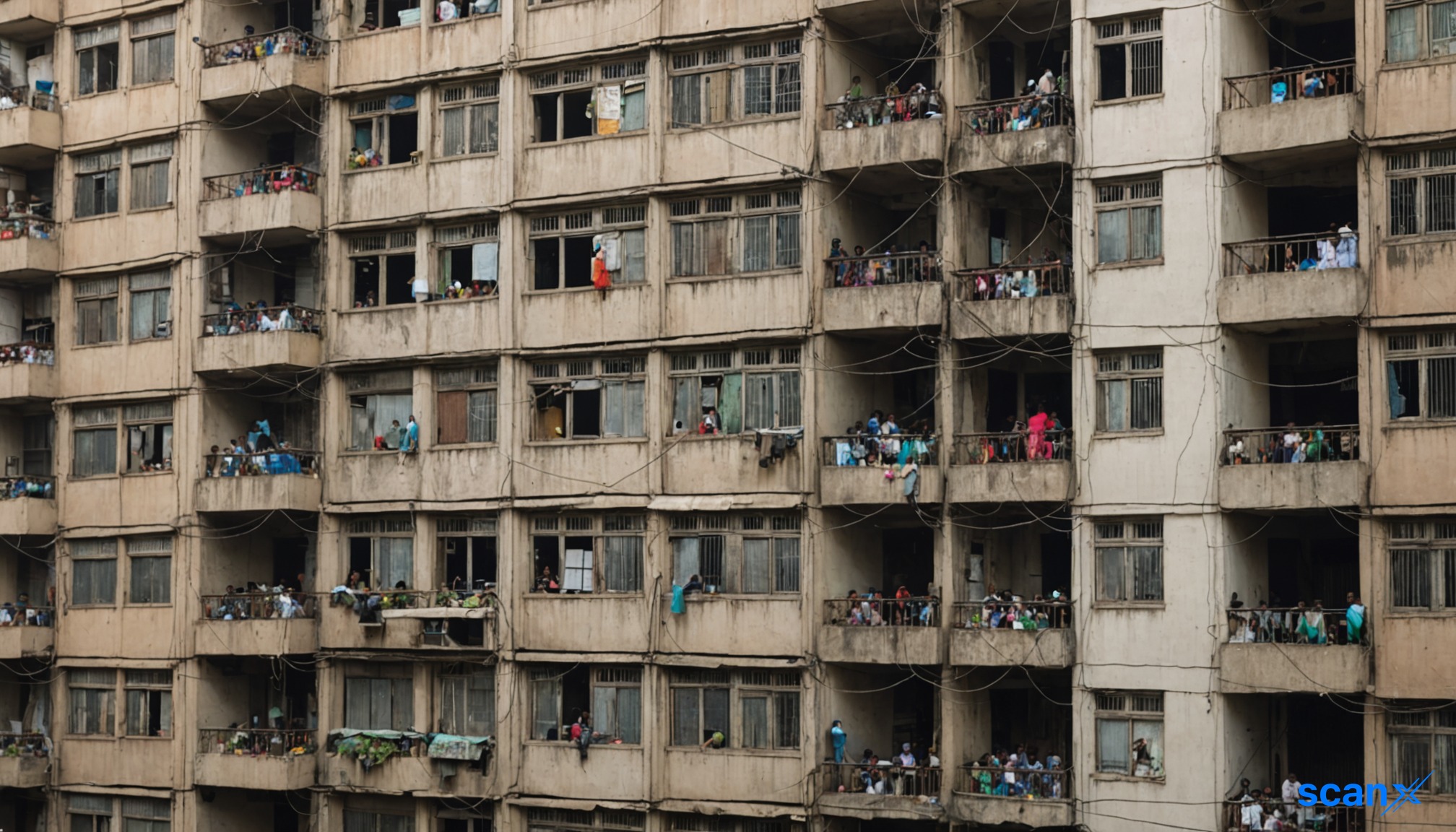
*this image is generated using AI for illustrative purposes only.

Mahindra Lifespace Developers Limited has expanded its residential redevelopment portfolio in Mumbai Metropolitan Region (MMR) by adding three new societies, collectively contributing ₹1,500 crore to its gross development value (GDV).

The additions comprise two societies in a redevelopment project in Borivali and one additional society in an existing redevelopment project in Chembur. This move reinforces the company's presence in Mumbai's redevelopment market and aligns with its broader residential growth strategy.

Strategic expansion in key locations

Vimalendra Singh, Chief Business Officer – Residential at Mahindra Lifespaces, stated that the Mumbai redevelopment market offers an opportunity to grow the residential business in established locations while leveraging the company's development track record. He noted that these projects meaningfully contribute to neighbourhoods and are part of an approach to building a stronger, more diverse residential portfolio.

The company’s residential portfolio currently spans premium developments across Mumbai, Pune, Chennai, and Bengaluru.

What the Numbers Show

The addition of ₹1,500 crore GDV through just three societies indicates a high-value concentration in these specific redevelopment mandates. Given that Mahindra Lifespaces' total development footprint stands at 53.65 million sq. ft. of saleable area across seven cities, this single announcement represents a significant incremental pipeline addition specifically within the high-demand MMR market.

Company profile

Established in 1994, Mahindra Lifespaces is the real estate and infrastructure development arm of the Mahindra Group. Its portfolio includes premium residential projects, value homes under the 'Mahindra Happinest®' brand, and integrated cities under 'Mahindra World City'. The company is committed to building only Net Zero homes from 2030 onwards and has launched India's first three Net Zero residential developments.

Historical Stock Returns for Mahindra Lifespaces Developers

1 Day5 Days1 Month6 Months1 Year5 Years
-2.54%-1.53%-4.46%+19.34%-0.62%+38.38%

How will the ₹1,500 crore GDV addition impact Mahindra Lifespaces' projected revenue growth and margins over the next 24-36 months?

What specific regulatory or execution challenges in Mumbai's redevelopment sector could delay the delivery timelines of these new Borivali and Chembur projects?

How does this expansion into high-value redevelopment align with the company's capital allocation strategy compared to its greenfield developments in other cities?

Mahindra Lifespaces Developers
View Company Insights
View All News
like15
dislike

Mahindra Lifespace Developers revises FY26 GHG emissions data in annual report addendum

scanx
Reviewed by
Shriram SScanX News Team
Key Highlights
  • Residential Scope 1 emissions revised down from 1,973.89 to 89.22 tCO2e due to data entry errors
  • Total organization Scope 1 emissions corrected from 2,160.29 to 275.62 metric tons of CO2e
  • Water Positivity Index for IC&IC (O&M) adjusted from 108.05% to 45.08%
  • Bureau Veritas independently verified the corrected FY26 sustainability metrics
  • Revisions do not impact company's sustainability strategy or long-term climate targets
powered bylight_fuzz_icon
50416384

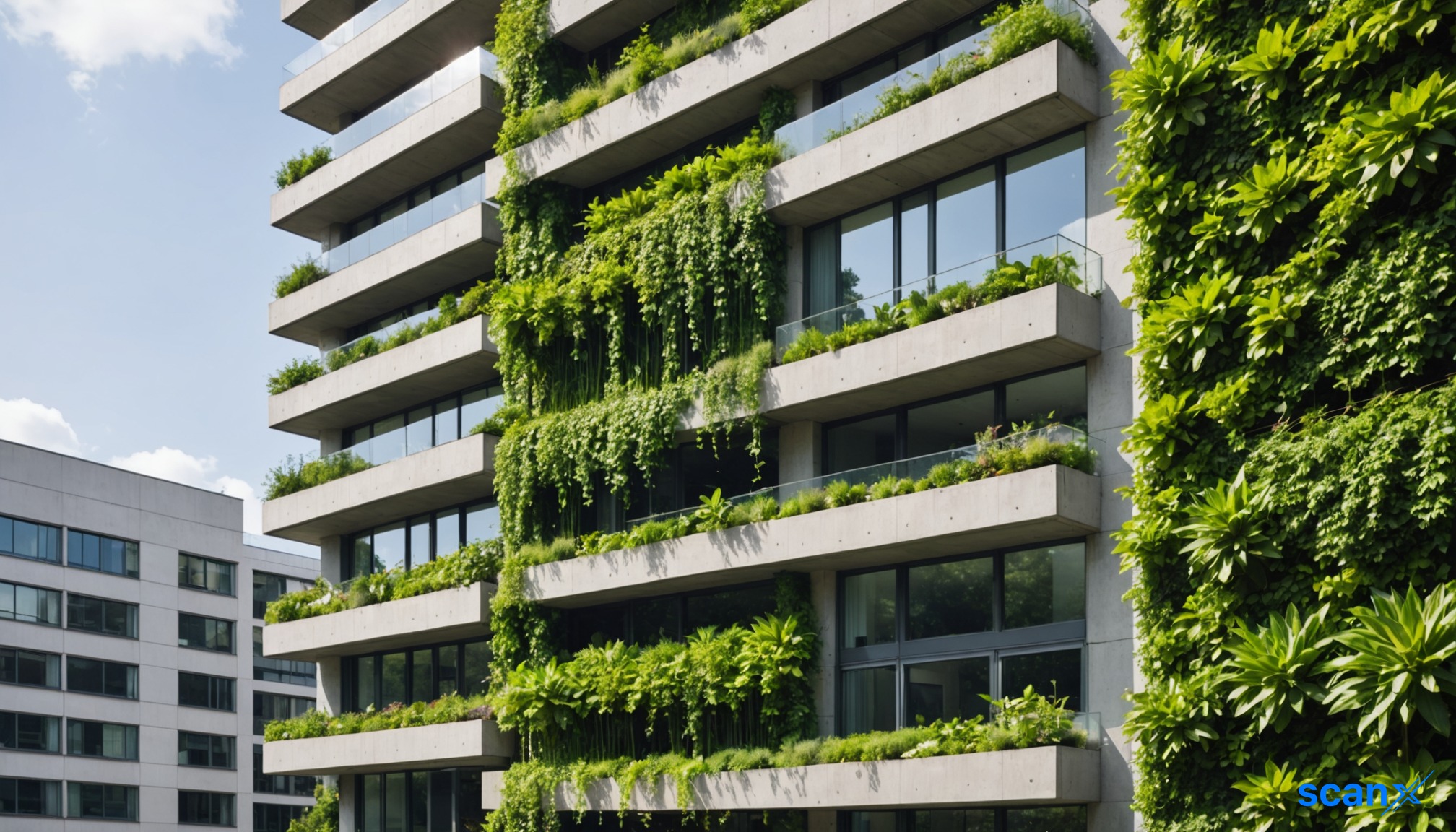
*this image is generated using AI for illustrative purposes only.

Mahindra Lifespace Developers issued an addendum to its Integrated Annual Report for FY26 on September 8, 2026, correcting significant discrepancies in its greenhouse gas (GHG) emissions disclosures. The revisions address typographical errors and unit measurement mistakes in the underlying source data for residential Scope 1 emissions.

The company identified decimal-level adjustments in diesel consumption records for one site and a monthly adjustment for another. These errors led to inflated emission figures in the initial report submitted on June 30, 2026. Bureau Veritas (India) Private Limited has independently verified the corrected data and issued an assurance statement confirming the accuracy of the revised metrics.

Key Revisions to Emissions Data

The most material correction involves Residential Scope 1 emissions, which were revised downward significantly. The previously reported figure of 1,973.89 tCO2e has been corrected to 89.22 tCO2e. This adjustment cascades through several other performance indicators and intensity metrics across the report.

Metric Originally Reported Revised Figure
Residential Scope 1 & 2 Emissions 2,845.18 tCO2e; 1,555.91% increase 960.51 tCO2e; 12.71% decrease
Reduction in Scope 1 & 2 Absolute GHG 69% increase 0.49% decrease
GHG Emission Intensity (Residential) 0.008 tCO2e/sq.ft.; 13% decrease 0.0078 tCO2e/sq.ft.; 63% decrease
Scope 1 & 2 GHG per Employee 5.94 tCO2e; 73.2% increase 3.47 tCO2e; 11.9% increase

Additionally, the Water Positivity Index for IC&IC (O&M) was corrected from 108.05% to 45.08%. The total organization-wide Scope 1 emissions were revised from 2,160.29 metric tons to 275.62 metric tons, while total organization emissions decreased slightly from 418,238.98 to 416,354.31 metric tons of CO2e.

What the Numbers Show

The revision fundamentally alters the narrative of the company’s environmental performance for the fiscal year. While the initial report suggested a massive surge in residential emissions intensity and per-employee footprint, the corrected data reveals a moderate decrease or stable growth trajectory. For instance, the reported 73.2% increase in GHG per employee is now a modest 11.9% increase, aligning more closely with typical operational scaling rather than an anomaly. This divergence highlights the critical impact of data integrity on sustainability reporting accuracy.

Management Statement and Assurance

Management clarified that these revisions stem solely from data reporting errors and do not reflect any change in operational activities, emission sources, boundary definitions, or sustainability targets. The company affirmed that its sustainability strategy, governance framework, and long-term climate commitments remain unchanged.

Bureau Veritas conducted a limited assurance engagement in accordance with ISAE 3000 (Revised), ISAE 3410, and ISO 14064-3 standards. The verification covered Scope 1, Scope 2, and applicable Scope 3 categories across 17 residential sites, three IC&IC sites, one head office, and six regional offices. The assurance team concluded that the revised GHG inventory is prepared in all material respects in line with applicable criteria.

Historical Stock Returns for Mahindra Lifespaces Developers

1 Day5 Days1 Month6 Months1 Year5 Years
-2.54%-1.53%-4.46%+19.34%-0.62%+38.38%

How might this data integrity lapse impact Mahindra Lifespace's ESG ratings and eligibility for green financing instruments in the near term?

Will the company implement additional internal controls or third-party audits to prevent similar discrepancies in future sustainability reporting cycles?

Could this correction trigger a broader review of Scope 3 emissions data, which was not fully covered in the initial limited assurance engagement?

Mahindra Lifespaces Developers
View Company Insights
View All News
like20
dislike

More News on Mahindra Lifespaces Developers

1 Year Returns:-0.62%