

Maan Aluminium FY26 PAT falls 19% to ₹13 crore


Maan Aluminium reported a 19% decline in PAT to ₹13 crore for FY26, with revenue stable at ₹809 crore. Net worth increased by 54% to ₹274 crore following a preferential capital raise of ₹83 crore. Profitability was impacted by higher raw material costs, lower exports, and energy constraints. The company commissioned a new Italian extrusion line, raising capacity to 24,000 TPA, and is investing in value-added segments like tubing and anodizing. Management projects CAPEX of ₹40-50 crore for FY27 and ₹35-40 crore for FY28, targeting 75-80% capacity utilization over the next three years.


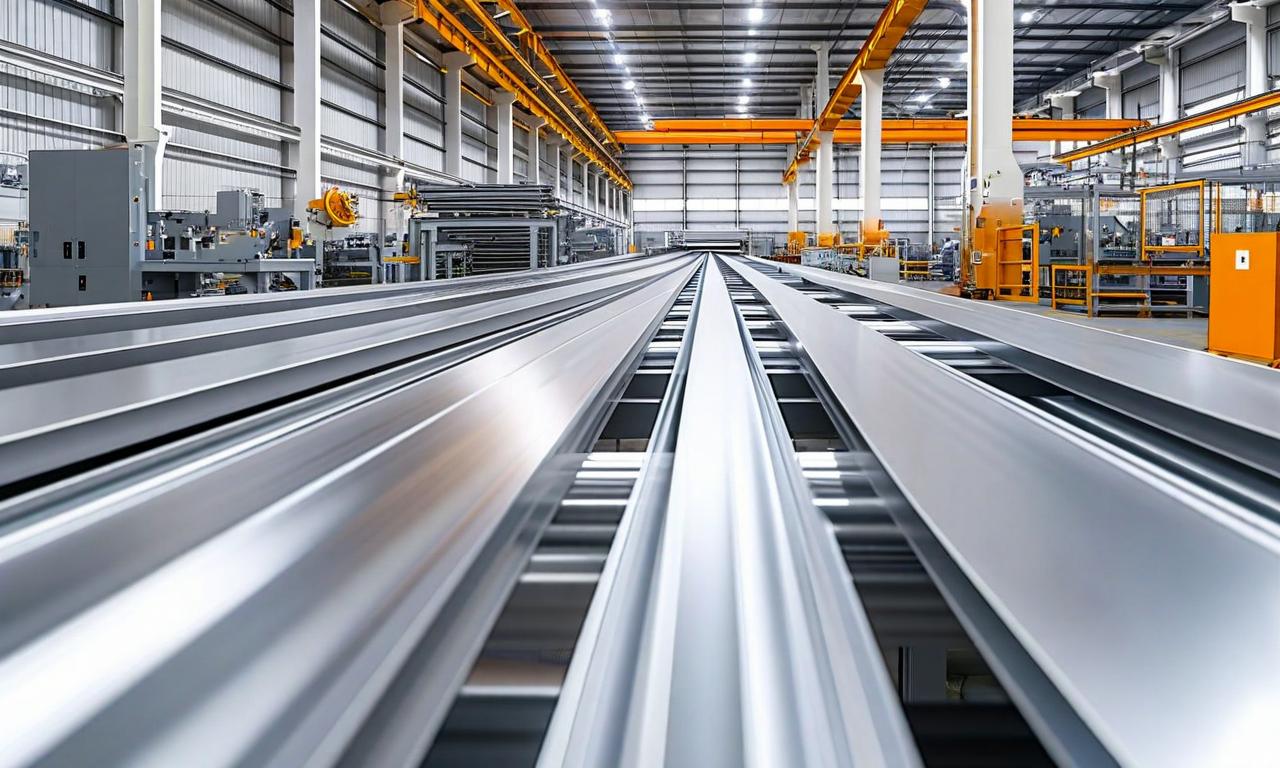
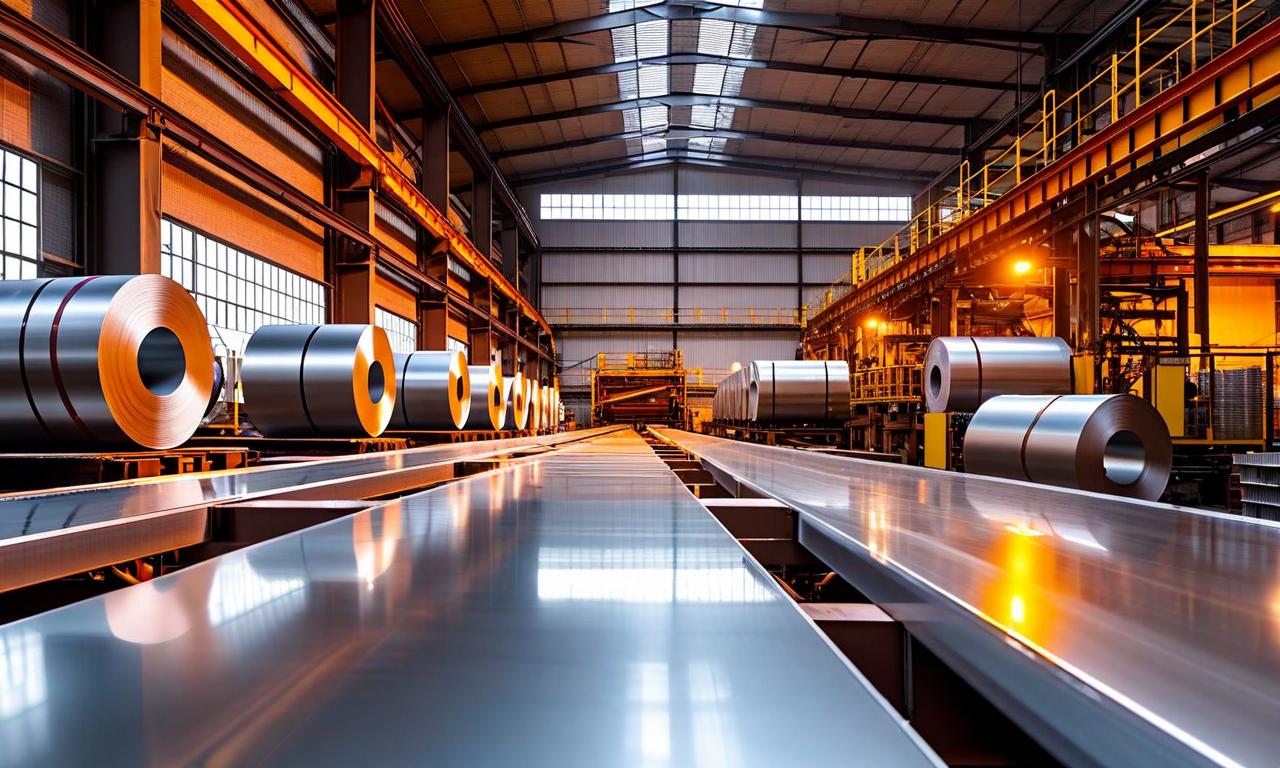
*this image is generated using AI for illustrative purposes only.
Maan Aluminium reported a 19% decline in profit after tax (PAT) to ₹13 crore for the fiscal year ended March 31, 2026 (FY26), while revenue from operations remained stable at ₹809 crore compared to the previous year. The company's net worth increased significantly by 54% to ₹274 crore, driven by a preferential capital raise of ₹83 crore which strengthened its balance sheet for ongoing expansion initiatives. Management attributed the profitability decline to increased raw material prices, lower export contribution, and higher operating costs due to an energy crisis and restricted gas supply during the year.
Financial Performance
For the quarter ended March 31, 2026 (Q4FY26), revenue grew 4% year-on-year to ₹255 crore, while PAT declined 50% to ₹2 crore. Earnings before interest, taxes, depreciation, and amortization (EBITDA) fell to ₹5 crore in Q4FY26 from ₹9 crore in the corresponding previous quarter, with the EBITDA margin contracting to 2% from 4%. For the full year FY26, EBITDA increased marginally by 3% to ₹31 crore against ₹30 crore in FY25, with a margin of 4%.
| Metric (₹ Crore) | Q4FY25 | Q3FY26 | Q4FY26 | FY25 | FY26 |
|---|---|---|---|---|---|
| Revenue from Operations | 246 | 152 | 255 | 810 | 809 |
| EBITDA | 9 | 7 | 5 | 30 | 31 |
| PAT | 4 | 3 | 2 | 16 | 13 |
Strategic Expansion and CAPEX
The company is executing a capital expenditure plan to transition from a traditional extrusion player to a higher value-added aluminium converter. A new Italian extrusion line commissioned in March 2025 increased extrusion capacity from 10,000 TPA to 24,000 TPA, enabling the processing of wider profiles and advanced alloys for aerospace, defence, and automotive sectors. The Dewas facility, acquired for ₹8.75 crore, is undergoing modernization to house a precision tube line. Management projected a total CAPEX of approximately ₹166 crore over three years, with specific allocations of ₹40 crore to ₹50 crore for FY27 and ₹35 crore to ₹40 crore for FY28.
Operational Outlook
Management indicated that the commercial ramp-up of new capacities has taken longer than anticipated due to customer qualification cycles and slower industrial demand. While the current fiscal year is expected to be flattish with volumes around 7,000-7,500 metric tons, the company remains confident of achieving 75-80% capacity utilization over the next three years. The focus is on increasing throughput in value-added segments such as fabrication, anodizing, powder coating, and tubing, which command significantly higher margins. The company is also diversifying its export markets to reduce geographical concentration risks, particularly regarding the US market where tariffs and container availability have impacted shipments.
Historical Stock Returns for Maan Aluminium
| 1 Day | 5 Days | 1 Month | 6 Months | 1 Year | 5 Years |
|---|---|---|---|---|---|
| +3.54% | +3.15% | -10.38% | -26.10% | -12.92% | -25.77% |

What is the expected timeline for resolving the energy crisis and gas supply constraints to normalize operating margins?
How will the company mitigate the impact of potential US tariff hikes as it seeks to diversify its export markets?
What specific revenue contribution is expected from the new aerospace and automotive segments once capacity utilization reaches 75-80%?
 20
20



 Access Market Heat-map & Insights
  Create, Save & Share your Screener
  Use 200+ Screening Filters





