

Lucky Strike Entertainment upgrades lanes at 270 centers to boost league growth


Lucky Strike Entertainment enhances its league bowling offering through lane upgrades at 270 centers and promotional open houses at 244 locations. The initiative targets its 300,000-strong league community while attracting new participants via free bowling offers through July 30, supported by a refreshed AMF brand identity.


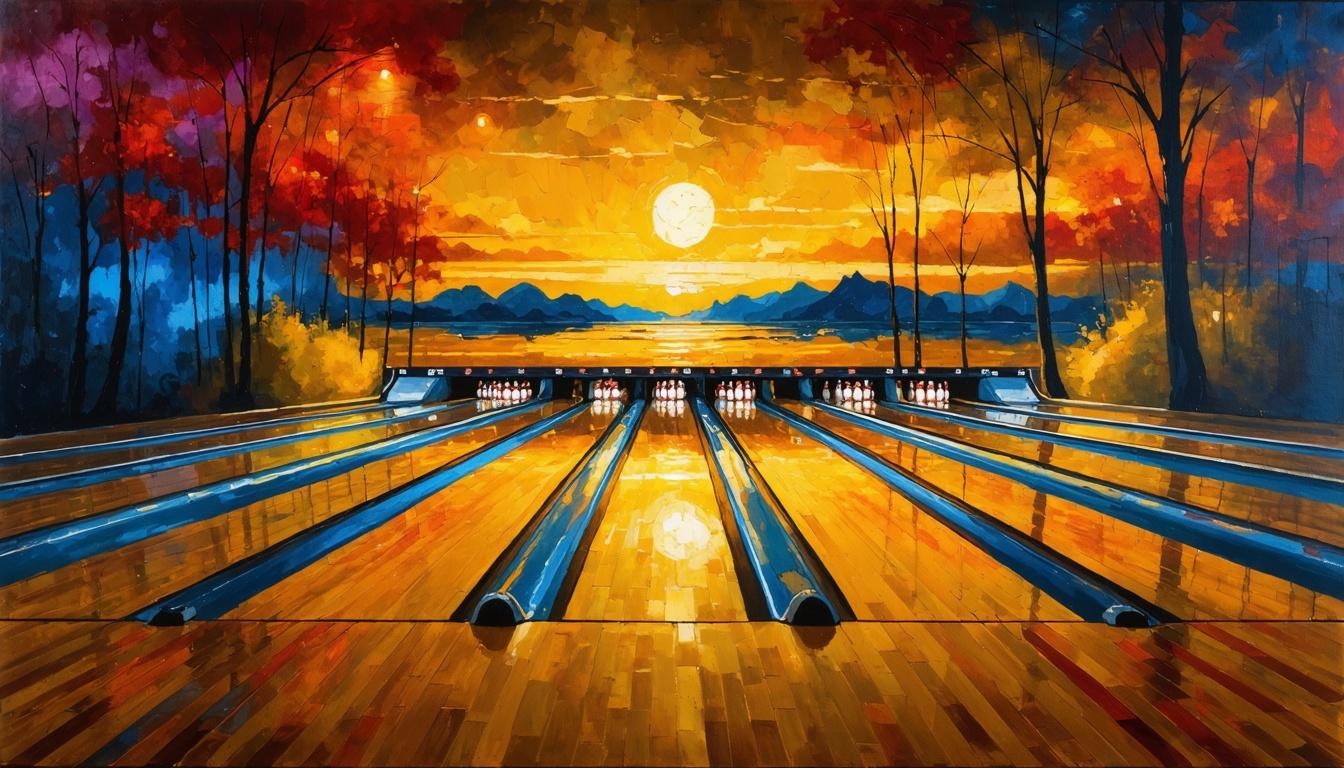
*this image is generated using AI for illustrative purposes only.
Lucky Strike Entertainment (NYSE: LUCK) is expanding its investment in league bowling by upgrading lane conditioning and oil patterns across 270 centers nationwide, aiming to provide more consistent playing conditions for its base of more than 300,000 league participants. To drive acquisition of new members, the company is conducting League Open Houses this week at 244 participating centers, offering guests two hours of free bowling with shoe rental, pizza, and beverage specials through July 30. These initiatives underscore the company’s strategy to strengthen its core recurring revenue streams while broadening access to the sport for first-time bowlers.
The operational enhancements target specific pain points in the league experience, focusing on consistency and accessibility. By standardizing oil patterns across a significant portion of its portfolio, Lucky Strike Entertainment seeks to reduce variability in gameplay, a critical factor for competitive bowlers. Trista Kimmes, Vice President of Leagues at Lucky Strike Entertainment, emphasized that leagues remain central to the company’s identity. Kimmes, a league bowler for more than 30 years, stated that the company is focused on making leagues more accessible to newcomers seeking a fun, social activity they can enjoy week after week.
League Open House Details
The promotional campaign runs concurrently with the infrastructure upgrades, designed to convert casual guests into league members. The following table outlines the key components of the current initiative:
| Initiative | Scope | Details |
|---|---|---|
| Lane Upgrades | 270 Centers | Improved conditioning and oil patterns for consistent play |
| Open Houses | 244 Centers | Events inviting new and longtime bowlers to explore leagues |
| Promotional Offer | Participating Locations | Two hours free bowling, shoe rental, pizza, and beverages |
| Duration | Through July 30 | Guests can visit local centers for league information |
Strategic Brand Reinforcement
The investment in league bowling coincides with broader brand revitalization efforts. Earlier this month, Lucky Strike Entertainment launched a refreshed identity for AMF, one of the most iconic names in American bowling. The rebranding leverages more than a century of heritage to reinforce the company’s long-term commitment to bowlers, leagues, and local communities. This dual approach—operational improvement paired with brand refreshment—aims to solidify loyalty among existing members while attracting a new demographic.
What the Numbers Show
With more than 300,000 active league bowlers, the league segment represents a substantial and stable user base for Lucky Strike Entertainment’s portfolio of over 360 locations. The decision to upgrade 270 centers indicates a targeted capital allocation toward high-traffic or high-potential venues rather than a blanket rollout across all properties. This selective approach suggests management is prioritizing locations where enhanced consistency can directly impact retention and conversion rates. The simultaneous launch of open houses at 244 centers aligns the marketing push with the operational improvements, ensuring that new prospects encounter upgraded facilities during their initial engagement.

How might the capital expenditure required for upgrading 270 centers impact Lucky Strike Entertainment's near-term free cash flow and debt levels?
What specific metrics will management use to evaluate the conversion rate of Open House attendees into paying league members over the next fiscal year?
Could the standardization of oil patterns across multiple locations reduce competitive differentiation for league bowlers, potentially affecting retention among serious competitors?
 20
20







 Create Custom Screeners
  Access 200+ Pre-built Filters
  Use 50+ Readymade Screener





