

Kaixin Holdings H1FY26 Results: Revenue surges 602%, loss narrows 77%


- Kaixin Holdings revenue surged 602% YoY to $667,000 in H1FY26, driven by automotive sales via Jet Sound Hong Kong Company Limited.
- Net loss narrowed 77% to $1.9 million as operating expenses dropped to $2.0 million from $8.7 million, aided by a $5.1 million decline in share-based compensation.
- Gross profit contracted sharply by 76% to $23,000, highlighting the low-margin nature of the new business operations.
- The company flagged going-concern doubts due to a liquidity gap, with $9.3 million in current liabilities against $1.6 million in assets.
- Kaixin approved issuing 10 million Class A shares to address a decline in stock consideration value for a prior acquisition.

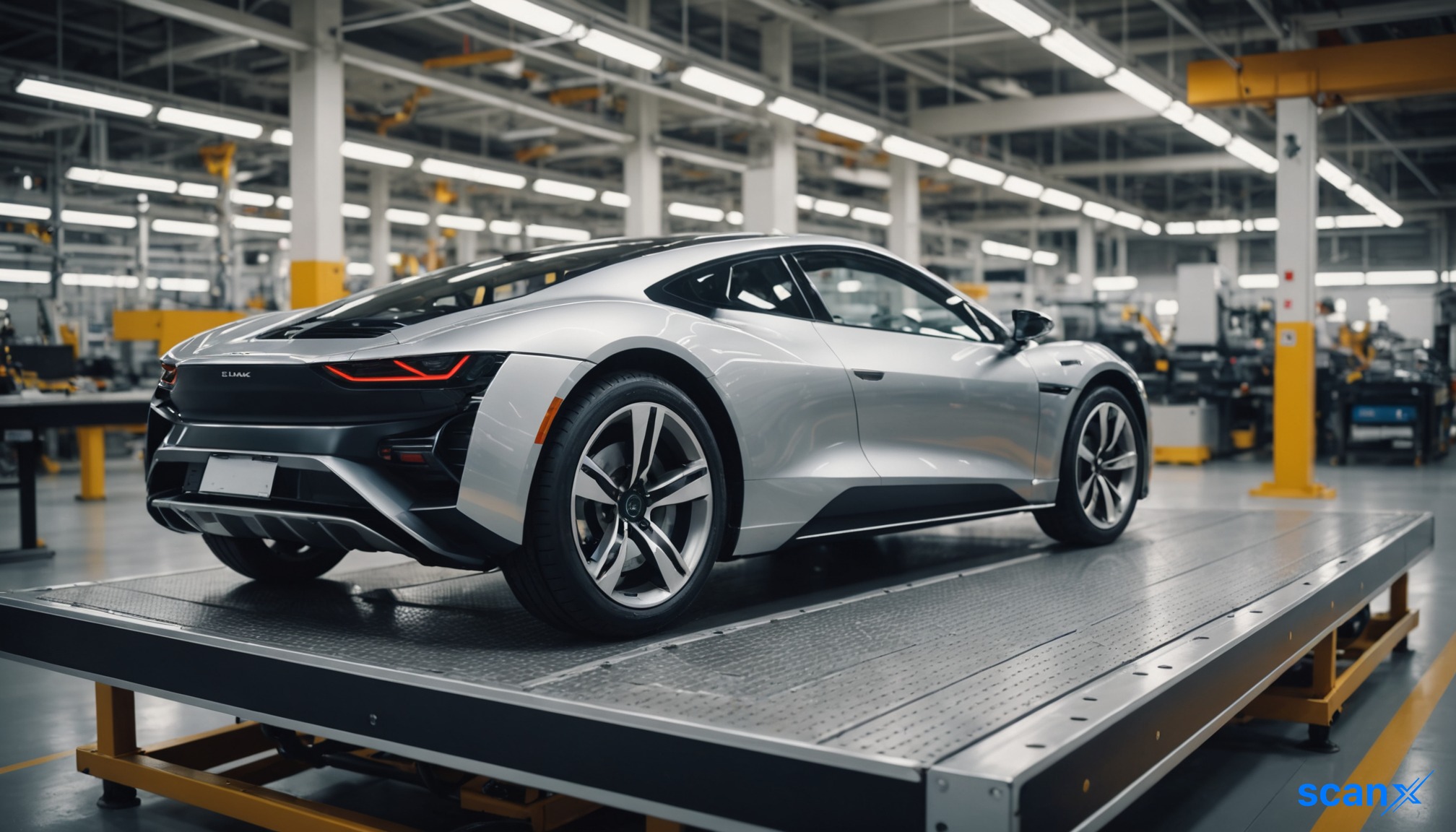

*this image is generated using AI for illustrative purposes only.
Kaixin Holdings (NASDAQ: KXIN) reported a 602% surge in revenue for the six months ended June 30, 2026, driven by automotive sales through its Hong Kong subsidiary. Despite the top-line growth, the company flagged substantial doubt about its ability to continue as a going concern.
Total revenue reached $667,000, up from $95,000 in the same period of 2025. The increase was primarily attributed to car sales via Jet Sound Hong Kong Company Limited. Net loss attributable to shareholders narrowed 77% to $1.9 million, compared to $8.4 million in the prior year period.
Financial Performance
| Metric | H1FY26 | H1FY25 | Change |
|---|---|---|---|
| Revenue | $667,000 | $95,000 | +602% |
| Net Loss | $1.9 million | $8.4 million | -77% |
| Gross Profit | $23,000 | N/A | -76% |
| Operating Expenses | $2.0 million | $8.7 million | -77% |
While the bottom line improved, gross profit contracted sharply by 76% to just $23,000. This divergence between revenue growth and margin compression highlights the low-margin nature of the new automotive retail operations.
Management attributed the significant reduction in net loss to streamlined operational overhead. Operating expenses dropped to $2.0 million from $8.7 million in H1 2025. This decline was largely driven by a $6.7 million reduction in general and administrative expenses, which included a $5.1 million decline in recognized share-based compensation. As a result, the loss from operations narrowed by 77% to $2.0 million.
Balance Sheet Risks
The company disclosed $9.3 million in current liabilities against only $1.6 million in current assets. This significant liquidity gap underpins the management’s warning regarding going-concern uncertainty.
Additionally, Kaixin’s board approved the issuance of an additional 10 million Class A ordinary shares to the seller of Hongkong Taohaoche Limited. This move addresses a decline in stock consideration value linked to the August 26 acquisition agreement. The shares will be held in escrow and released based on performance targets over the next six years, signaling potential dilution risk for existing shareholders.
What the Numbers Show
The financial data reveals a stark contrast between volume growth and profitability. While revenue expanded more than six-fold, gross profit collapsed to negligible levels ($23,000). This suggests that the revenue surge is driven by high-volume, low-margin transactions rather than operational efficiency gains. Furthermore, the widening gap between current liabilities and assets indicates that operational improvements have not yet translated into sustainable liquidity. The significant drop in operating expenses, particularly the reduction in share-based compensation, was the primary driver behind the narrowed net loss, rather than core operational profitability.
Trading Activity
Shares of Kaixin Holdings jumped 138.06% to $2.69 in after-hours trading following the Form 6-K filing with the Securities and Exchange Commission. On Thursday morning, shares were up 106.19% at $2.32. The stock has fallen 99.68% over the past 12 months, with a market capitalization of $1.77 million. Trading volume on Wednesday was unusually high, with 14.25 million shares changing hands, approximately 18 times its average daily volume.

How will Kaixin Holdings bridge the $7.7 million liquidity gap between current assets and liabilities to resolve the going-concern warning?
What specific operational strategies will management implement to improve gross margins in the low-margin automotive retail segment beyond mere volume growth?
To what extent will the issuance of 10 million new Class A shares dilute existing shareholder equity, and how might this impact future stock valuation?
 19
19






 Access Market Heat-map & Insights
  Create, Save & Share your Screener
  Use 200+ Screening Filters





