

JM Smucker Q1FY27 Results: Leverage hits 3x target ahead of schedule


- Achieved 3x leverage ratio in Q1, ahead of annual target
- Received $0.84 per share tariff refund; expects $0.60 full-year benefit
- Raised Uncrustables growth outlook to high single digits
- Coffee volume expected to decline low single digits for full year
- COGS inflation revised up 100 bps to mid-single digits

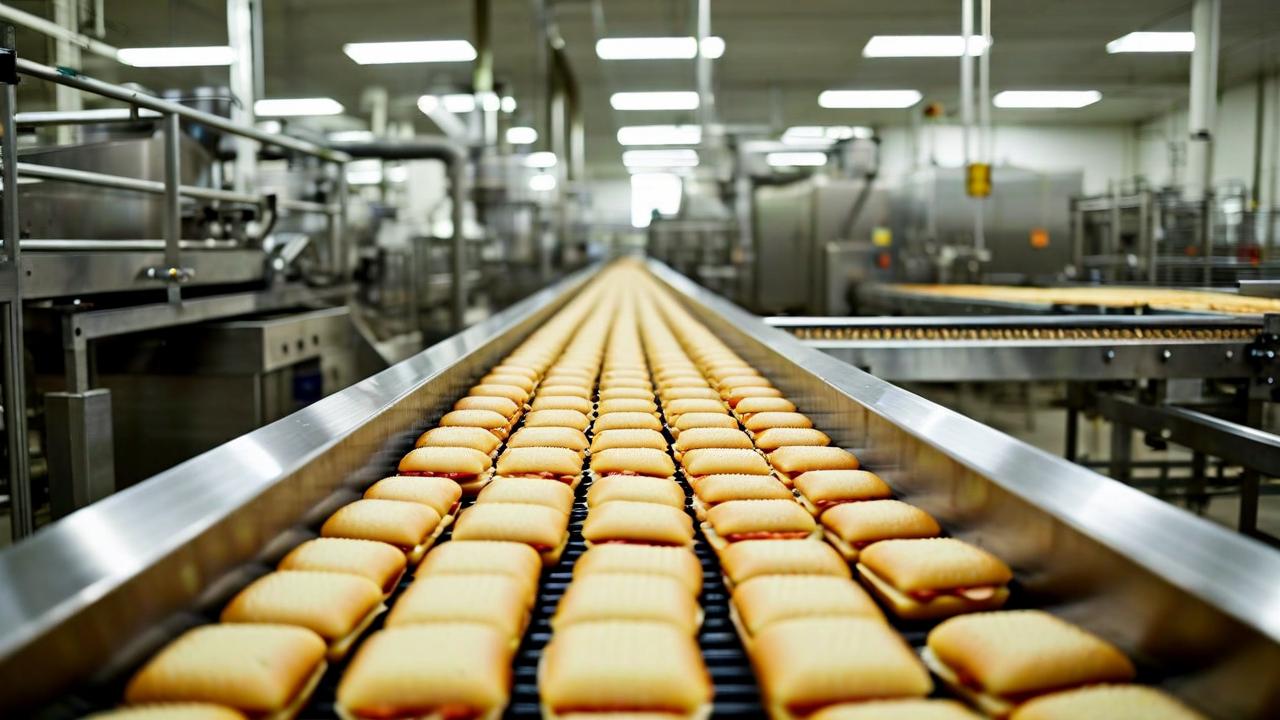

*this image is generated using AI for illustrative purposes only.
JM Smucker (NYSE: SJM) reached its three times net debt-to-EBITDA leverage target in the first quarter of fiscal 2027, arriving ahead of its annual plan. The company recorded a $0.84 per share benefit from tariff refunds during the period, which it intends to partially reinvest in sales, general and administrative expenses alongside debt reduction.
Capital Allocation And Tariff Benefits
The company received a significant cash inflow from tariff refunds, totaling $0.84 per share in the quarter. Management anticipates a full-year benefit of approximately $0.60 per share, net of incremental costs. The differential of roughly $0.24 is being directed toward administrative expenses for the McCalla, Alabama facility build-out, incremental marketing spend, and pre-production costs supporting the Uncrustables brand.
With the leverage ratio already at three times, JM Smucker has accelerated its capital deployment strategy. While committed to paying down approximately $500 million of debt this year and maintaining its quarterly dividend, management now possesses the flexibility to contemplate share repurchases.
Segment Performance And Outlook
The Frozen Handheld and Spreads segment delivered strong margins in the quarter. Driven by momentum in the Uncrustables brand, management raised its full-year growth forecast for the venture to high single digits, up from an initial mid-single-digit outlook. This acceleration is supported by increased production capacity investments and marketing efforts. However, pre-production expenses for the new Alabama facility are expected to pressure margins slightly in subsequent quarters.
In contrast, the coffee business faces headwinds. Despite recent volume increases supported by brands like Bustelo and Dunkin’, management expects full-year coffee volume to decline by low single digits. This conservative stance reflects commodity volatility and category dynamics. Although green coffee prices have moderated compared to last year, the company has not crossed thresholds to justify list price declines. Instead, it is passing some deflation to consumers through trade promotions.
The dog snacks segment showed mixed results. Pup-Peroni saw net sales rise 5% and volume/mix increase 7%, driven by brand refresh initiatives. Milk-Bone also returned to volume growth through innovation in soft and chewy treats. Conversely, Jerky Treats declined. In sweet baked snacks, Hostess performance was in line with expectations, though the convenience channel remains challenged by traffic dynamics and SKU rationalization lapping.
What the Numbers Show
Cost inflation remains a key variable for the full year. Management noted mid-single-digit inflation in cost of goods sold, excluding tariff effects. This figure is 100 basis points higher than initial expectations, driven primarily by freight costs and certain commodities. This upward revision in input cost pressure contrasts with the company’s ability to maintain pricing discipline in coffee by leveraging promotional activity rather than list price cuts.
Key Financial Metrics
| Metric | Value / Guidance |
|---|---|
| Tariff Refund Benefit (Q1) | $0.84 per share |
| Full-Year Tariff Benefit Estimate | $0.60 per share |
| Leverage Ratio (Q1 Actual) | 3.0x |
| Coffee Volume Outlook | Low-single-digit decline |
| Uncrustables Growth Outlook | High single digits |
| COGS Inflation Estimate | Mid-single digits |
Strategic Investments
Management highlighted strategic investments in marketing, product innovation, and production capacity as primary growth drivers. The new Chief Marketing Officer is tasked with evaluating return on investment for marketing spend across key platforms, including Uncrustables, dog treats, and peanut butter. The Transformation Office continues to deliver productivity benefits that help offset cost inflation and support earnings.

How might the acceleration of share repurchases impact JM Smucker's credit rating or future borrowing costs given the rapid reduction in leverage?
What specific marketing strategies is the new CMO implementing to ensure the ROI on increased spend for Uncrustables justifies the pre-production margin pressure?
Could the reliance on trade promotions rather than list price cuts in the coffee segment erode brand equity or long-term pricing power?
 16
16











 Access 50+ Readymade Screeners
  Use 200+ Custom Filters
  Get Full Market Insights





