
 NewsHyundai Motor India Discloses Parent Company's Joint Development Agreement with TVS Motor for Electric Three-Wheelers
Hyundai Motor India Discloses Parent Company's Joint Development Agreement with TVS Motor for Electric Three-Wheelers


Hyundai Motor India disclosed its promoter HMC's Joint Development Agreement with TVS Motor Company for electric three-wheeler development, executed April 20, 2026. The partnership combines HMC's design expertise with TVS's manufacturing capabilities to develop eco-friendly vehicles for India and additional markets. While HMIL is not directly involved, the agreement imposes certain restrictions including non-compete obligations in three-wheelers, though without material impact on current operations.

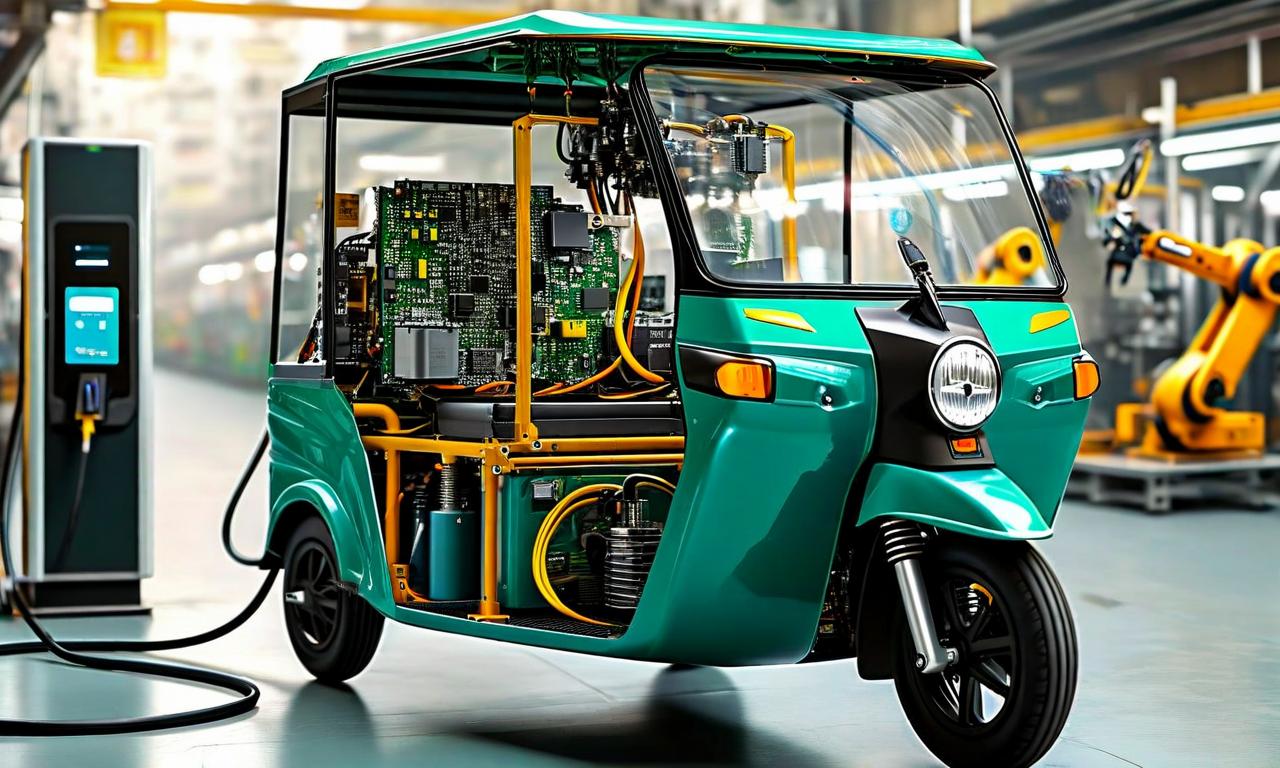

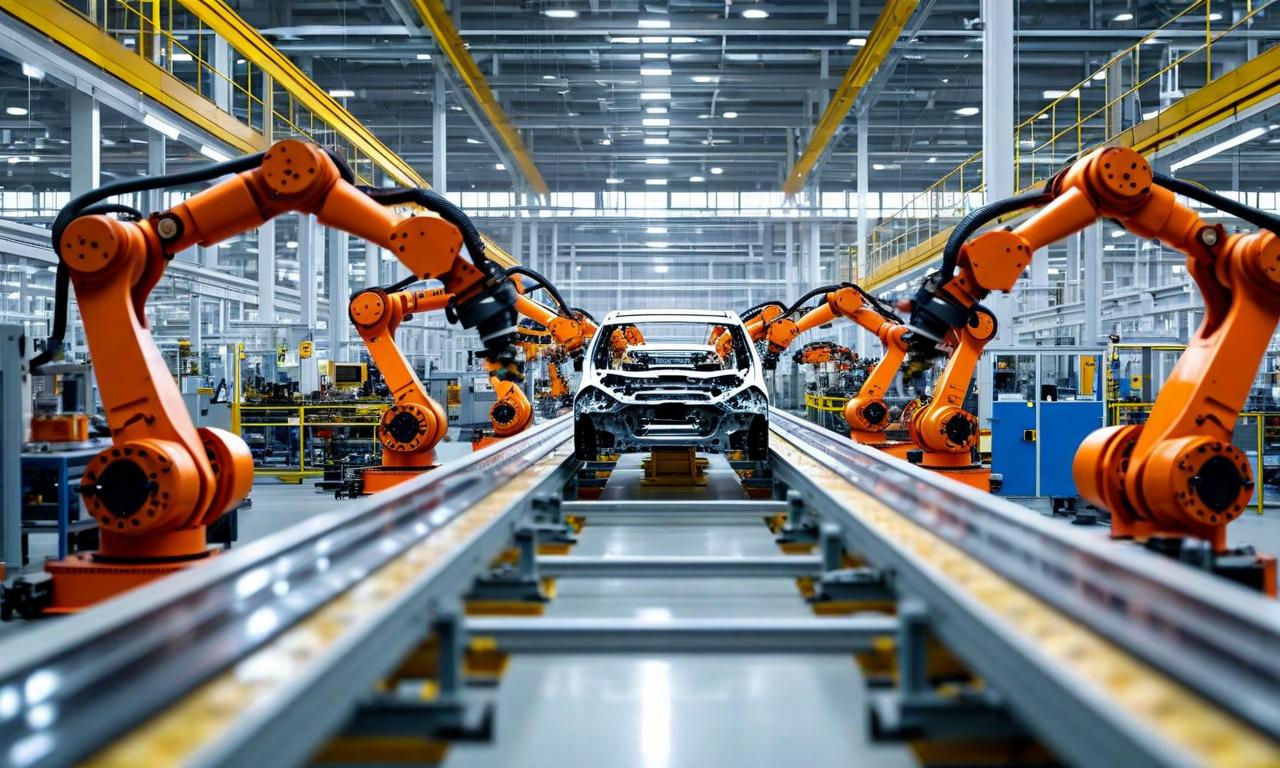
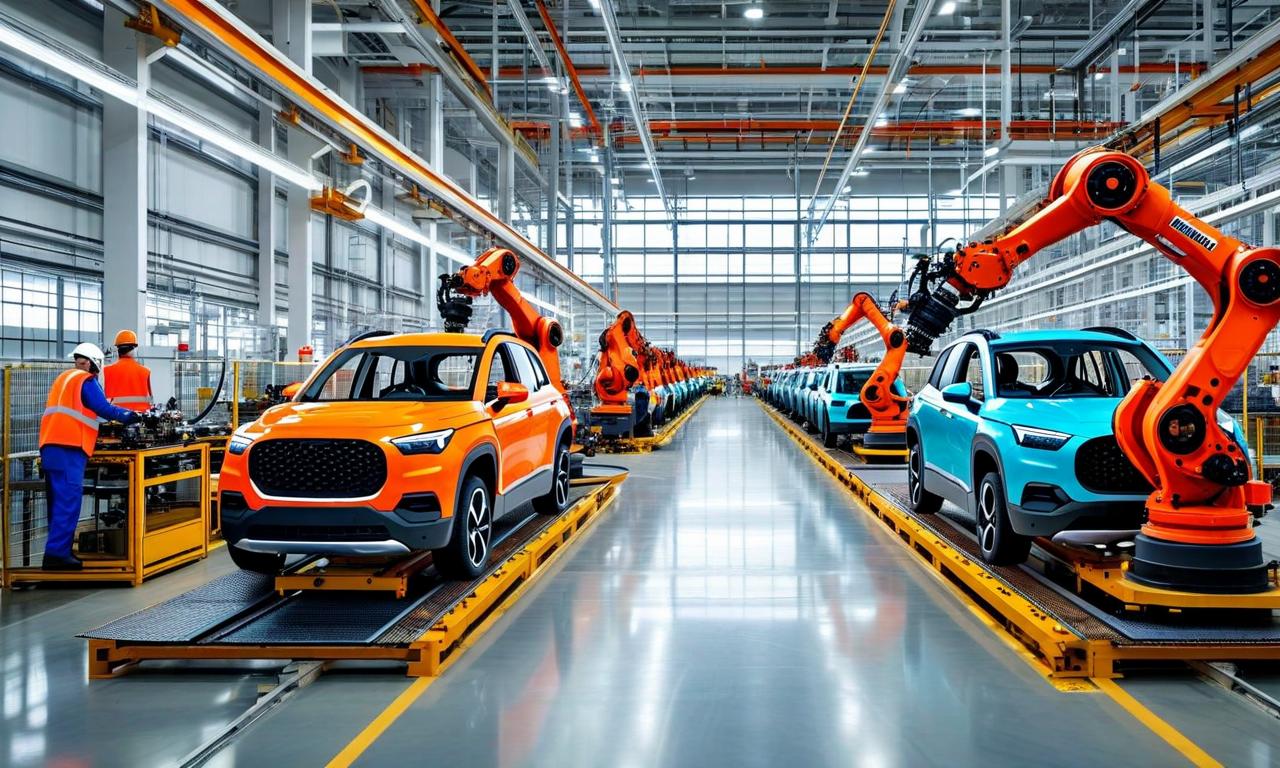
*this image is generated using AI for illustrative purposes only.
Hyundai Motor India has disclosed details of a Joint Development Agreement (JDA) between its promoter Hyundai Motor Company (HMC) and TVS Motor Company Limited for the development of electric three-wheelers. The agreement was executed on April 20, 2026, following earlier announcements about the potential partnership that began with exploratory discussions in January 2025.
Partnership Structure and Objectives
The Joint Development Agreement aims to combine the complementary expertise, resources, and technological capabilities of both companies to develop safer and eco-friendly electric three-wheelers for India and additional markets. This strategic partnership represents a significant step in the electric mobility sector, bringing together HMC's design capabilities with TVS's manufacturing and distribution expertise.
| Parameter: | Details |
|---|---|
| Agreement Date: | April 20, 2026 |
| Primary Market: | India and additional markets |
| Vehicle Type: | Electric three-wheelers |
| Parties: | HMC (Promoter) and TVS Motor Company Limited |
Role Distribution and Responsibilities
The agreement establishes a clear division of responsibilities between the two partners. HMC will take the lead in concept design of the vehicles, leveraging its automotive design expertise. The development phase will be jointly managed, with each party leading specific development phases according to their core competencies. TVS Motor Company will spearhead procurement, manufacturing, sales, and distribution of the electric three-wheelers.
Impact on Hyundai Motor India
The company has clarified that it is not a direct party to the agreement and that there will be no impact on its management or control structure. However, the JDA does impose certain restrictions on Hyundai Motor India, including non-compete obligations in the three-wheeler industry and providing TVS with right of first refusal (ROFR) for styling intellectual property developed during the project.
| Restriction Type: | Details |
|---|---|
| Non-compete: | Three-wheeler industry |
| ROFR Scope: | Styling IP for M4W-L7 or M1 vehicles |
| Vehicle Specifications: | Length less than 3,500mm, MSRP not more than 130% of premium trim |
| Business Impact: | No material adverse impact as HMIL doesn't manufacture mentioned vehicles |
Regulatory Compliance and Disclosure
The disclosure was made under Regulation 30 of the SEBI Listing Obligations and Disclosure Requirements Regulations, 2015, dated April 21, 2026. The company confirmed that TVS Motor Company has no prior relationship with HMC and is not related to the promoter group in any manner. Consequently, the transactions under this agreement would not constitute related party transactions.
Strategic Implications
This partnership positions both companies to capitalize on the growing electric three-wheeler market in India. The collaboration leverages HMC's global automotive experience and design capabilities alongside TVS's established presence in the Indian two and three-wheeler market, creating a comprehensive approach to electric mobility solutions for last-mile transportation needs.
Historical Stock Returns for Hyundai Motor India
| 1 Day | 5 Days | 1 Month | 6 Months | 1 Year | 5 Years |
|---|---|---|---|---|---|
| -1.19% | -2.94% | -8.25% | +16.54% | -21.17% | +9.91% |

How will this partnership affect Hyundai's broader electric vehicle strategy in other emerging markets beyond India?
What impact could this collaboration have on existing three-wheeler manufacturers like Bajaj Auto and Mahindra in the Indian market?
Will TVS Motor leverage this partnership to expand its electric three-wheeler exports to Southeast Asian and African markets?
 18
18




 Access Market Heat-map & Insights
  Create, Save & Share your Screener
  Use 200+ Screening Filters





