

Hitachi Vantara site named Global Lighthouse Factory by WEF


Hitachi Vantara's Norman facility was named a Global Lighthouse Factory by the WEF for its AI-driven manufacturing advancements. The site achieved significant operational gains, including a 77% cut in lead time and a 50% drop in inventory. Hitachi will use these insights to enhance its HMAX solutions and drive AI Transformation globally.

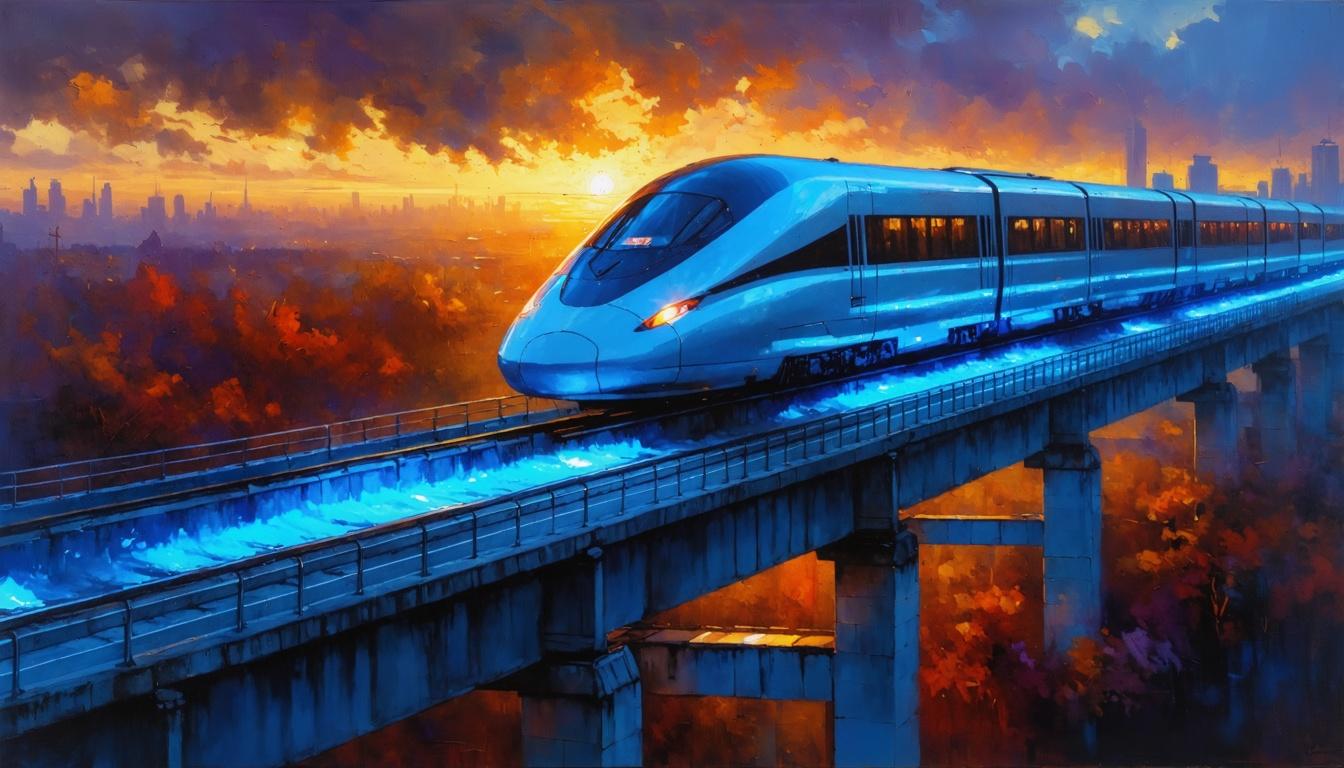

*this image is generated using AI for illustrative purposes only.
Hitachi Vantara's advanced storage manufacturing site in Norman, Oklahoma, has been selected as a 'Global Lighthouse Factory' by the World Economic Forum (WEF). This designation recognizes the facility's deployment of Fourth Industrial Revolution technologies, including AI and robotics, to achieve exceptional operational performance. The recognition marks the second time a Hitachi Group site has received this honor, following Hitachi's Omika Works in 2020.
The Norman facility serves as an end-to-end digital manufacturing hub for data infrastructure products such as the Hitachi Virtual Storage Platform One (VSP One). By positioning the site as 'Customer Zero,' Hitachi implemented Agentic AI across global demand forecasting and inventory management. These initiatives resulted in a 77% reduction in lead time from order receipt to shipment and a 50% reduction in inventory, while also enabling immediate responses to demand fluctuations and reducing CO₂ emissions.
Operational Improvements
The facility's transformation focused on three key areas to optimize its supply chain and manufacturing processes:
- AI-Driven Demand Forecasting: AI analysis of business meeting data improved monthly demand forecast accuracy by approximately 19%. Additionally, AI-generated draft responses for sales proposals reduced customer response time by approximately 26%.
- Global Supply Chain Optimization: A 'Global Inventory Control Tower' consolidated inventory and supplier data into a single dashboard. AI-driven calculation of optimal safety stock levels reduced global inventory by approximately 50% and mitigated stockout risks.
- Autonomous Manufacturing: Agentic AI automated complex software configuration setups, reducing lead time for configure-to-order production by 84%. A 'Real-Time Work Navigator' using AI vision reduced training time for new workers by 80%.
Strategic Impact
Hitachi intends to integrate the AI technologies and insights gained from the Norman facility into HMAX, its next-generation suite of AI-powered solutions. The company aims to accelerate AI Transformation (AX) across the Hitachi Group and for its customers by expanding these initiatives to global production sites, including Hitachi Rail. This 'One Hitachi' approach seeks to strengthen HMAX with proven technologies derived from real-world practice.
The Global Lighthouse Network is a WEF initiative that acknowledges operational sites demonstrating excellence in productivity, supply chain resilience, customer centricity, sustainability, and talent. The Norman facility's inclusion underscores Hitachi's commitment to embedding intelligence into its operations to drive sustainable business growth.

What is the projected timeline for integrating these Agentic AI technologies into the HMAX suite for commercial availability?
How will Hitachi measure the financial impact of replicating the 'Customer Zero' model across other business units like Hitachi Rail?
What specific challenges does Hitachi anticipate in scaling these AI solutions to regions with different digital infrastructure maturity?
 16
16





 Create Custom Screeners
  Access 200+ Pre-built Filters
  Use 50+ Readymade Screener





