

Grasim Industries Starts Commercial CPVC Resin Production in Vilayat with Lubrizol


Grasim Industries has commenced commercial production at its CPVC resin manufacturing plant in Vilayat, Gujarat, with a planned capacity of approximately 50,000 metric tonnes per annum. Developed in collaboration with Lubrizol Advanced Materials India Private Limited, the facility strengthens Grasim's downstream chlor-alkali derivatives portfolio and supports the 'Make in India' initiative by reducing import dependence on specialized chemical resins.


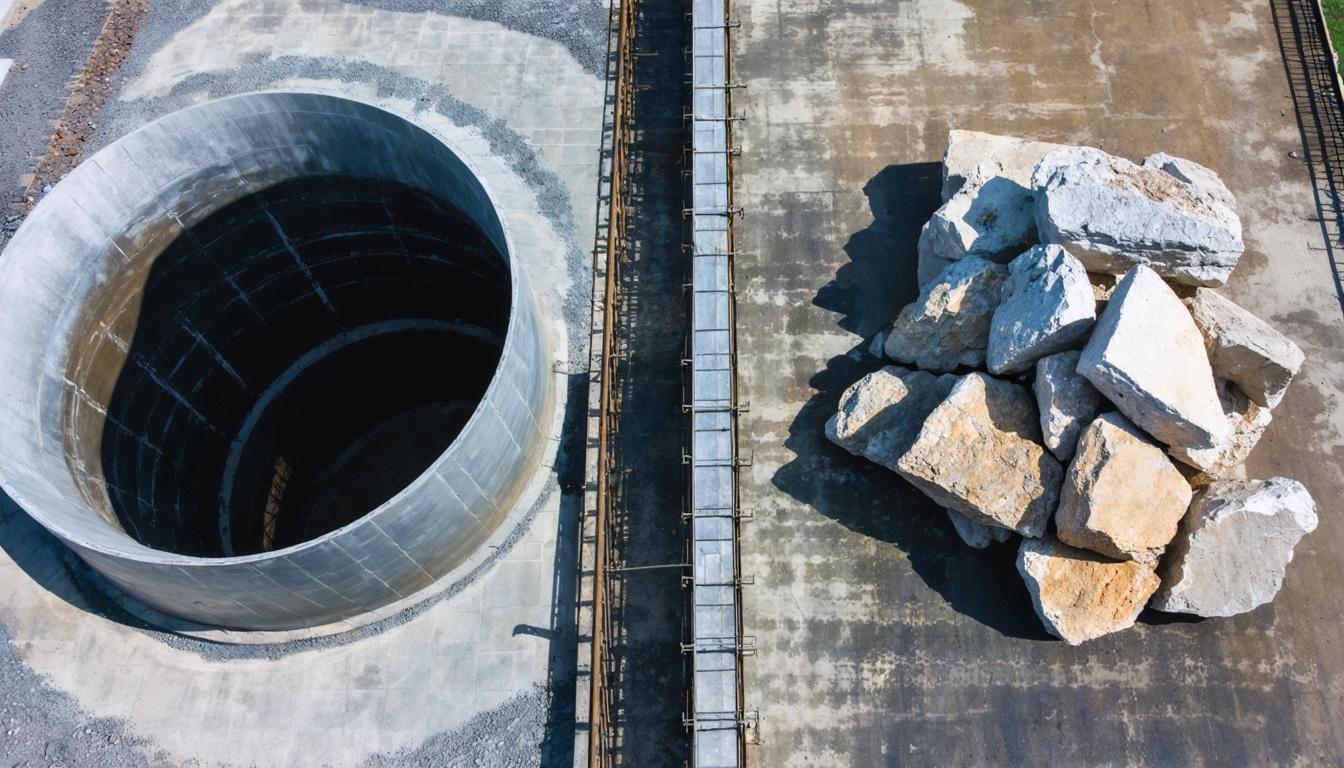
*this image is generated using AI for illustrative purposes only.
Grasim Industries has commenced commercial production at its Chlorinated Polyvinyl Chloride (CPVC) resin manufacturing plant located in Vilayat, Gujarat. The facility operates with a planned capacity of approximately 50,000 metric tonnes per annum and marks a strategic expansion in the company's downstream chlor-alkali derivatives portfolio. This development enhances domestic manufacturing capabilities, aligning with the "Make in India" initiative to reduce reliance on imports for specialized chemical resins.
The announcement was made via a disclosure dated August 11, 2026, submitted to BSE Limited and the National Stock Exchange of India Limited under Regulation 30 of the SEBI (Listing Obligations and Disclosure Requirements) Regulations, 2015. The filing also referenced SEBI Master Circular No. SEBI/HO/49/14/14(7)2025-CFD-POD2/I/3762/2026 dated January 30, 2026.
Strategic Collaboration and Capacity
The plant was developed in collaboration with Lubrizol Advanced Materials India Private Limited. This partnership follows an earlier disclosure on June 16, 2026, wherein Grasim informed stakeholders about the inauguration of the CPVC resin plant in India. The transition from inauguration to commercial production signifies that the facility has met operational benchmarks required for sustained output.
| Parameter: | Detail: |
|---|---|
| Product | Chlorinated Polyvinyl Chloride (CPVC) Resin |
| Location | Vilayat, Gujarat |
| Partner | Lubrizol Advanced Materials India Private Limited |
| Planned Capacity | Approximately 50,000 metric tonnes per annum |
| Status | Commercial production commenced |
Portfolio Expansion
The addition of CPVC resin production strengthens Grasim's position in the specialty chemicals segment. By integrating downstream derivatives into its existing chlor-alkali operations, the company aims to capture higher value-added opportunities within its supply chain. The facility supports the broader corporate strategy of enhancing indigenous manufacturing infrastructure.
What the Numbers Show
The planned capacity of 50,000 metric tonnes per annum represents a significant volume entry for a specialized resin product in the Indian market. While specific revenue projections or cost structures were not disclosed in the filing, the scale of operation indicates a substantial commitment to capital deployment and long-term demand visibility in the construction and piping sectors, which are primary consumers of CPVC materials.
Historical Stock Returns for Grasim Industries
| 1 Day | 5 Days | 1 Month | 6 Months | 1 Year | 5 Years |
|---|---|---|---|---|---|
| +1.16% | -2.43% | -12.60% | +4.85% | +4.02% | +81.48% |

How will the entry of 50,000 metric tonnes of domestic CPVC resin impact current import dependency rates and pricing structures in the Indian specialty chemicals market?
What is the expected timeline for Grasim Industries to achieve full operational capacity, and how might this ramp-up phase influence near-term revenue contributions from the chlor-alkali segment?
Given the strategic partnership with Lubrizol Advanced Materials, will Grasim pursue further joint ventures or technology licensing agreements to expand its downstream derivatives portfolio?
 16
16







 Access 50+ Readymade Screeners
  Use 200+ Custom Filters
  Get Full Market Insights





