

General Mills Q1FY27 Results: EPS expected at 72 cents, down from 86 cents


- General Mills reports Q1 earnings on Sept 23 with expected EPS of 72 cents, down from 86 cents YoY
- Consensus revenue estimate stands at $4.34 billion, a decline from $4.52 billion in the prior year
- Company affirmed FY2027 adjusted EPS guidance of $3.00-$3.20 on Sept 8
- Shares rose 0.3% to close at $36.58 ahead of the print
- Analysts have mixed views, with price targets ranging from $32 to $43

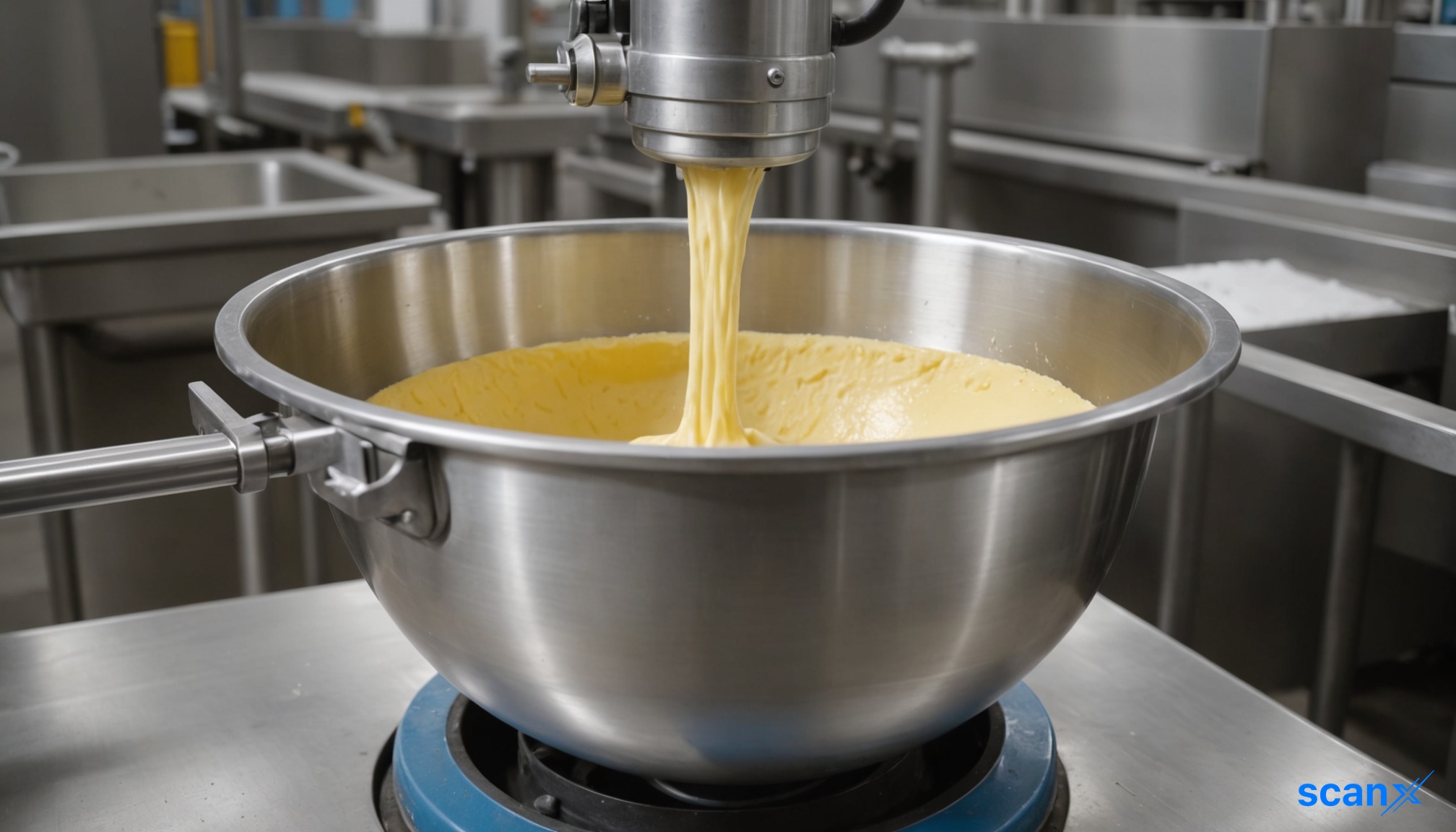

*this image is generated using AI for illustrative purposes only.
General Mills (NYSE: GIS) will release its first-quarter earnings before the market opens on Wednesday, Sept. 23. The Minneapolis-based food manufacturer faces expectations for a decline in profitability compared to the prior year period.
Analysts project quarterly earnings per share (EPS) of 72 cents, a decrease from the 86 cents reported in the year-ago period. Consensus estimates place quarterly revenue at $4.34 billion, down from the $4.52 billion logged last year.
Guidance and Market Reaction
On Sept. 8, General Mills affirmed its FY2027 adjusted EPS guidance range of $3.00-$3.20. Following the affirmation, shares gained 0.3% to close at $36.58 on Tuesday.
What the Numbers Show
The consensus estimates indicate a synchronized contraction in both top-line and bottom-line metrics. Revenue is expected to fall by approximately 4% year-over-year, while EPS is projected to decline by roughly 16%. This divergence suggests that the drop in earnings is not solely driven by lower sales volume but may also reflect margin compression or increased costs, as the percentage decline in profit significantly outpaces the decline in revenue.
Recent Analyst Actions
Several analysts have recently adjusted their ratings and price targets for General Mills. The following table summarizes recent changes from tracked analysts:
| Analyst | Firm | Rating | Price Target Change | Date | Accuracy |
|---|---|---|---|---|---|
| David Palmer | Evercore ISI Group | In-Line | $39 to $38 | Sept. 14, 2026 | 53% |
| Peter Galbo | B of A Securities | Neutral | $39 to $43 | Sept. 1, 2026 | 56% |
| Thomas Palmer | JP Morgan | Underweight | $31 to $35 | July 2, 2026 | 50% |
| Steve Powers | Deutsche Bank | Hold | $32 to $33 | July 2, 2026 | 66% |
| Robert Moskow | TD Cowen | Hold | $31 to $32 | July 2, 2026 | 65% |
Evercore ISI Group’s David Palmer cut his price target to $38 on Sept. 14, 2026, maintaining an In-Line rating. Conversely, B of A Securities’ Peter Galbo raised his target to $43 on Sept. 1, 2026, while keeping a Neutral stance. Earlier in July, analysts from JP Morgan, Deutsche Bank, and TD Cowen all maintained their respective Underweight and Hold ratings while modestly increasing their price targets.

What specific cost pressures or margin compression factors are driving the 16% EPS decline that outpaces the 4% revenue drop?
How might General Mills' affirmation of FY2027 guidance influence investor sentiment regarding its long-term growth trajectory amid current headwinds?
Will General Mills implement strategic pricing adjustments or portfolio optimizations in Q2 to counteract the projected top-line contraction?
 16
16








 Access 50+ Readymade Screeners
  Use 200+ Custom Filters
  Get Full Market Insights





