

Galaxy Surfactants signs partnership growth charter with Unilever


Galaxy Surfactants Ltd formalized its long-standing tie-up with Unilever through a new Partnership Growth Charter on August 19, 2026. The agreement focuses on accelerating next-generation surfactant technologies and bio-based alternatives to strengthen supply resilience. This move builds on a 45-year relationship between the two companies, aiming to enhance future growth capacity through value-chain innovation without disclosing financial terms.


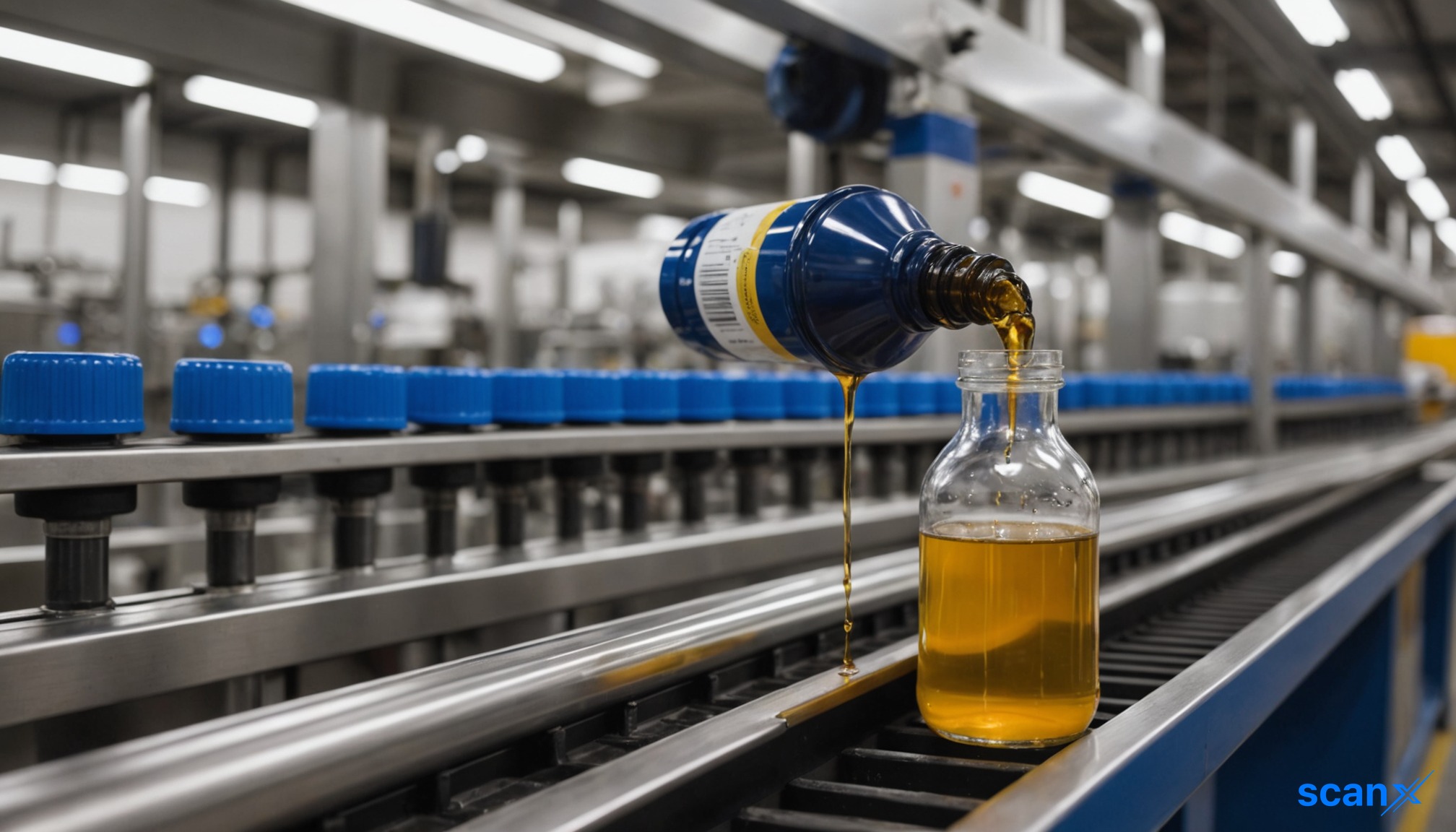
*this image is generated using AI for illustrative purposes only.
Galaxy Surfactants has signed a Partnership Growth Charter with Unilever, marking a new phase in their longstanding 45-year relationship. Announced on August 19, 2026, the charter serves as a framework to accelerate new chemistries and next-generation surfactant technologies while strengthening supply resilience.
Partnership highlights
| Parameter: | Details |
|---|---|
| Partner: | Unilever |
| Relationship tenure: | 45 years |
| Focus areas: | New chemistries, next-gen surfactant technologies |
| Strategic goals: | Supply resilience, bio-based alternatives, lower-carbon technologies |
| Objective: | Future growth capacity, value-chain innovation |
The collaboration combines Galaxy’s surfactant science and value-engineering capabilities with Unilever’s formulation, innovation, and consumer understanding expertise. The partnership is directed at enhancing competitiveness through closer collaboration and strategic planning.
No financial terms, deal value, or specific duration have been disclosed in connection with this arrangement. The announcement was made via filings with the National Stock Exchange of India Limited and BSE Limited.
Historical Stock Returns for Galaxy Surfactants
| 1 Day | 5 Days | 1 Month | 6 Months | 1 Year | 5 Years |
|---|---|---|---|---|---|
| +1.06% | +6.93% | +7.75% | +47.00% | +7.88% | -29.18% |

How might the shift toward bio-based and lower-carbon surfactants impact Galaxy Surfactants' production costs and pricing power in the near term?
Could this deepened integration with Unilever signal a broader industry trend toward exclusive or semi-exclusive supplier partnerships for sustainable ingredients?
What specific regulatory or consumer-driven milestones are expected to drive the adoption of these next-generation chemistries within Unilever's product portfolio?
 15
15






 Access 50+ Readymade Screeners
  Use 200+ Custom Filters
  Get Full Market Insights





