

Firefly Aerospace and SSC Space target 2028 orbital launch from Sweden


Firefly Aerospace and SSC Space have completed critical infrastructure and regulatory milestones for orbital launches from Esrange Space Center, targeting the first launch in 2028. A Memorandum of Cooperation between the Swedish National Space Agency and the FAA streamlines licensing, supported by a Technology Safeguards Agreement. SSC Space signed a SEK 209 million agreement with the Swedish Defense Materiel Administration for satellite launches.


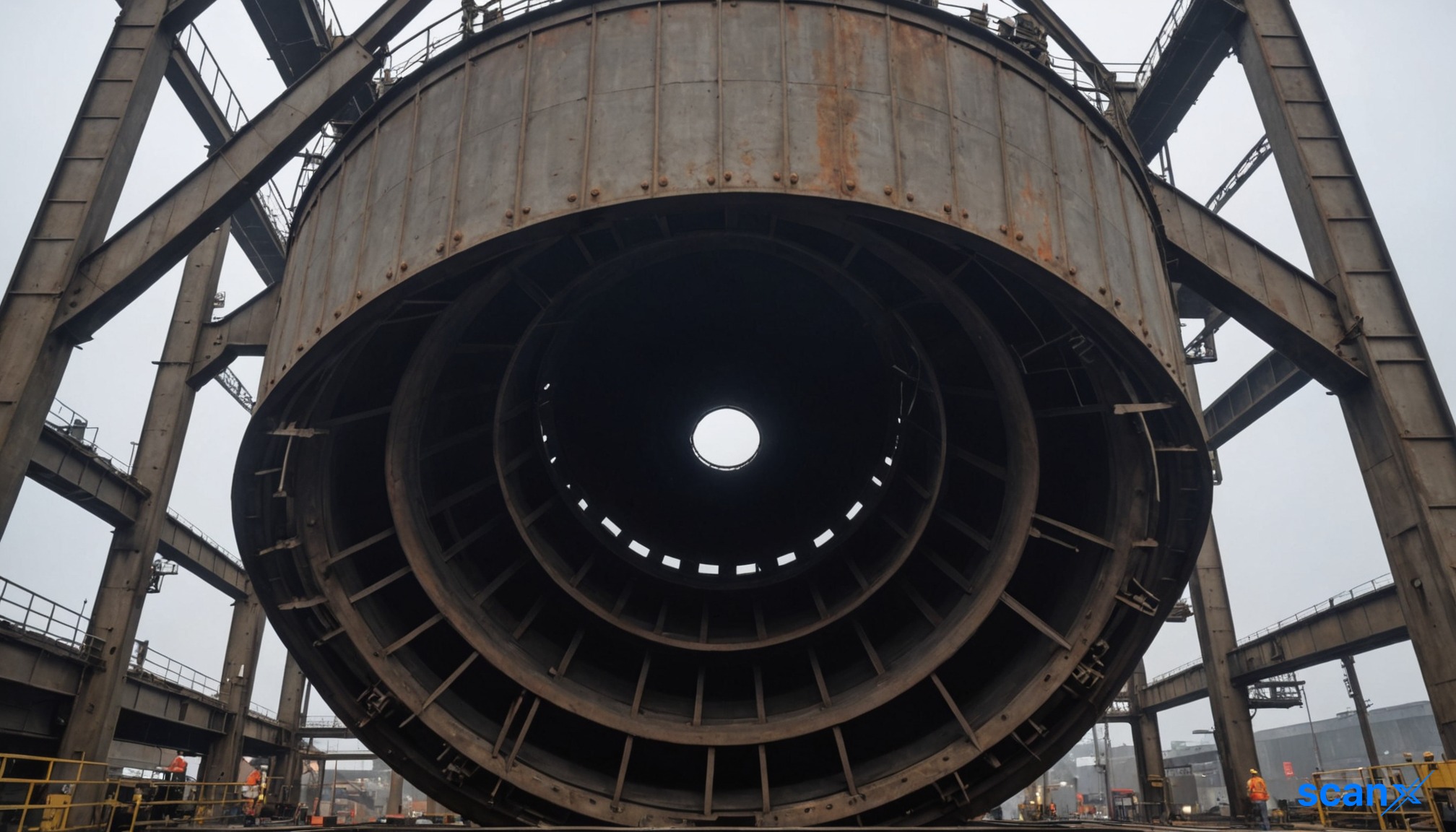
*this image is generated using AI for illustrative purposes only.
Firefly Aerospace and SSC Space have advanced their joint orbital launch capabilities at Esrange Space Center by completing critical infrastructure, establishing transatlantic regulatory frameworks, and securing a significant defense agreement. The companies are now proceeding with final construction at Launch Complex 3C, targeting the first orbital launch for 2028. This development expands critical access to space from mainland Europe, leveraging Firefly’s Alpha rocket to deliver 1,000 kg to low Earth orbit.
Key infrastructure completed includes the launch control center, payload processing facility, launch vehicle integration building, tracking and control systems, and security and storage facilities. The project is supported by a Memorandum of Cooperation signed in April 2026 between the Swedish National Space Agency and the U.S. Federal Aviation Administration (FAA). This agreement streamlines the launch licensing process and establishes a shared understanding of commercial space regulations. Additionally, a Technology Safeguards Agreement (TSA) between Sweden and the United States provides the legal framework for exporting advanced U.S. space technology, making Sweden the sixth country to enter into such an agreement with the U.S.
"Today we’re celebrating the realization of critical transatlantic partnerships that are enabling Firefly’s global launch expansion strategy, starting in Sweden," said Jason Kim, CEO of Firefly Aerospace. He emphasized that the 'launch as a franchise' model provides allies with launch site diversification required for resilient space missions. Charlotta Sund, CEO and Group President of SSC Space, highlighted that adding an orbital launch capability to mainland Europe strengthens the continent’s competitiveness and strategic autonomy.
From a commercial standpoint, SSC Space recently signed a SEK 209 million agreement with the Swedish Defense Materiel Administration (FMV). This contract enables the Swedish Armed Forces to launch their own satellites into orbit from Esrange Space Center using the Alpha rocket. The high-latitude location of Esrange, approximately 200 kilometers north of the Arctic Circle, is ideal for reaching sun-synchronous and polar orbits, which are in high demand for national security and commercial missions.
Project Overview
| Component | Description |
|---|---|
| Location | Esrange Space Center, Sweden (200 km north of Arctic Circle) |
| Launch Vehicle | Firefly Alpha (1,000 kg to low Earth orbit) |
| Target Launch | 2028 |
| Key Agreement | SEK 209 million with Swedish Defense Materiel Administration |
| Regulatory Framework | Memorandum of Cooperation (Swedish National Space Agency & FAA) |

Will the successful implementation of the 'launch as a franchise' model at Esrange prompt Firefly to establish similar partnerships with other allied nations?
How might the Technology Safeguards Agreement with Sweden influence future U.S. commercial space technology exports to other European countries?
What impact will the 2028 launch target have on the current market share of European competitors like Arianespace or Rocket Factory Augsburg?
 15
15






 Access Market Heat-map & Insights
  Create, Save & Share your Screener
  Use 200+ Screening Filters





