Everest Kanto Cylinder files FY26 BRSR with 35% carbon cut target

scanx
Reviewed by
Naman SScanX News Team
Key Highlights
  • Everest Kanto Cylinder filed its FY26 BRSR on September 8, 2026
  • Set targets to cut carbon emissions by 35% by FY30 and water use by 10% by FY28
  • Total energy consumption fell to 360,395 Joules from 376,077 in FY25
  • Scope 1 emissions rose to 682 tonnes CO2e while Scope 2 reached 51,614 tonnes
  • Zero employee fatalities and zero LTIFR recorded for staff; workers LTIFR stable at 0.40
powered bylight_fuzz_icon
50421986

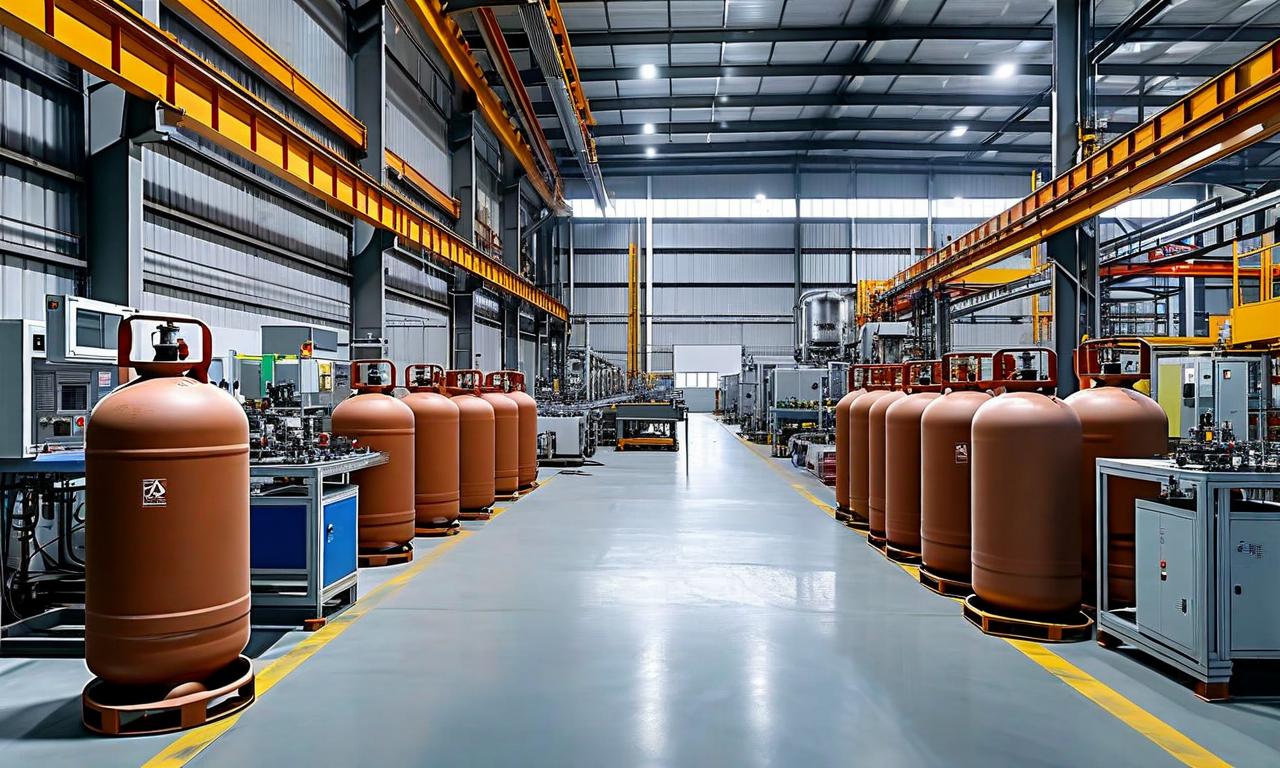
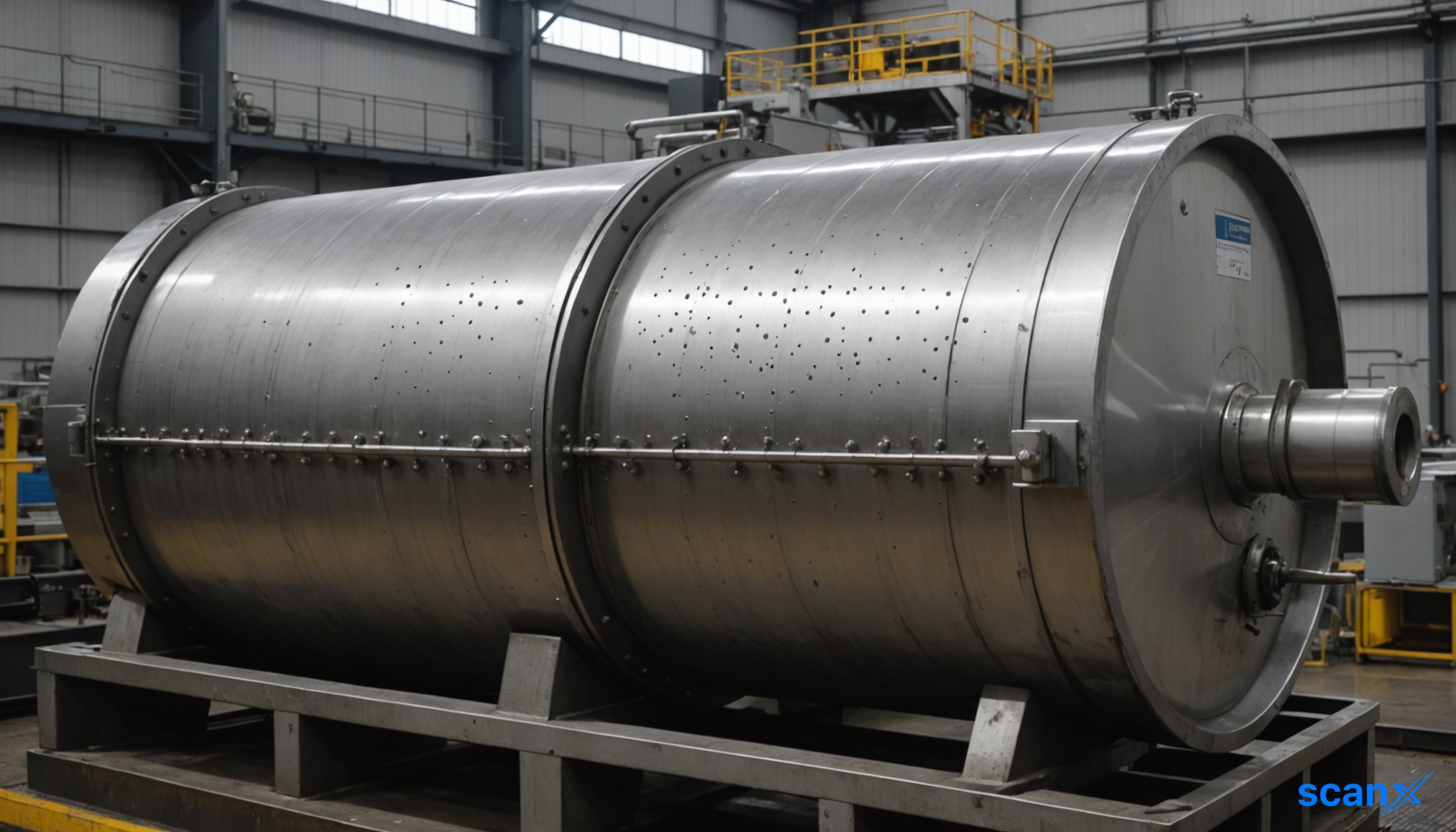
*this image is generated using AI for illustrative purposes only.

Everest Kanto Cylinder filed its Business Responsibility and Sustainability Report (BRSR) for FY26 on September 8, 2026. The disclosure outlines specific environmental targets, including a commitment to reduce carbon emissions by 35% by FY30 and water consumption by 10% by FY28, using FY24 as the baseline.

The report covers operations across three national plants and four international facilities. The company reported total energy consumption of 360,395 Joules in FY26, down from 376,077 Joules in FY25. Energy intensity per rupee of turnover fell to 386 from 411 in the prior year.

Environmental Performance

Greenhouse gas emissions saw a divergence between scopes. Scope 1 emissions rose to 682 metric tonnes of CO2 equivalent from 487 in FY25. Conversely, Scope 2 emissions increased slightly to 51,614 metric tonnes from 50,878. Total Scope 1 and Scope 2 emission intensity remained stable at 56 metric tonnes per crore rupee of turnover.

Water withdrawal dropped significantly to 68,746 kilolitres from 85,265 kilolitres in FY25. The company implemented Zero Liquid Discharge mechanisms in two manufacturing units, recycling all treated wastewater.

Metric FY26 FY25
Total Energy Consumption (Joules) 360,395 376,077
Scope 1 Emissions (Tonnes CO2e) 682 487
Scope 2 Emissions (Tonnes CO2e) 51,614 50,878
Water Withdrawal (Kilolitres) 68,746 85,265

What the Numbers Show

While total energy consumption declined by approximately 4%, Scope 1 emissions surged nearly 40%. This divergence suggests that the reduction in overall energy use was driven primarily by lower electricity consumption (Scope 2), while direct fuel-based emissions from manufacturing processes intensified.

Governance and Safety

The company recorded zero fatalities and zero lost-time injuries among employees in FY26. Workers recorded a Lost Time Injury Frequency Rate (LTIFR) of 0.40, unchanged from FY25. No complaints were received regarding human rights violations or sexual harassment.

CSR expenditure is applicable under Section 135 of the Companies Act, 2013, given a turnover of ₹967 crore and net worth of ₹827 crore. The report notes no regulatory penalties or fines were paid during the period.

Historical Stock Returns for Everest Kanto Cylinder

1 Day5 Days1 Month6 Months1 Year5 Years
-1.49%-4.03%-8.47%-1.50%-26.73%-12.74%

What specific operational changes or fuel sources are driving the 40% surge in Scope 1 emissions despite overall energy consumption declining?

How will Everest Kanto Cylinder finance and implement the Zero Liquid Discharge mechanisms across its remaining facilities to meet the FY28 water reduction target?

Given the divergence between energy efficiency gains and rising direct emissions, what is the company's roadmap for decarbonizing its manufacturing processes by FY30?

like19
dislike

Everest Kanto Q1FY27 net profit falls 42% to ₹30 crore amid constraints

scanx
Reviewed by
Naman SScanX News Team
Key Highlights

Everest Kanto Cylinder's Q1FY27 results show a 42% YoY decline in net profit to ₹30 crore, driven by a 10% revenue contraction and the absence of a prior-year exceptional gain. EBITDA fell 23% to ₹47 crore as margins compressed to 14%. Despite operational constraints in India and subdued US performance, the company highlights healthy demand in CNG and industrial gases, ongoing Mundra capacity ramp-up, and strategic expansion in Egypt and MENA markets.

powered bylight_fuzz_icon
48173417

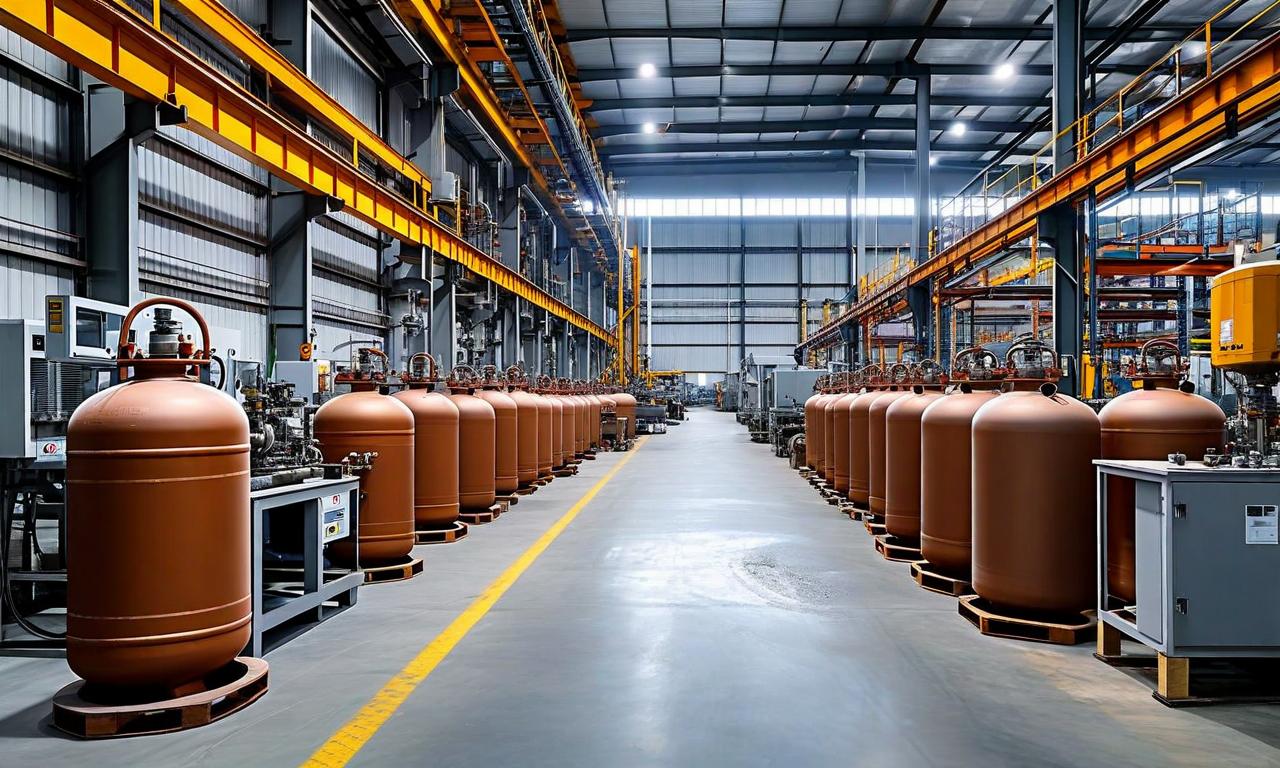
*this image is generated using AI for illustrative purposes only.

Everest Kanto Cylinder reported a significant decline in profitability for the first quarter of FY27, with consolidated net profit falling to ₹30 crore from ₹52 crore in the same period last year. The company’s revenue also contracted by 10% to ₹346 crore compared to ₹387 crore year-on-year. Profit before tax (PBT) declined 27% to ₹39 crore from ₹53 crore.

The decline in top-line growth translated directly into lower operating profits. EBITDA dropped 23% to ₹47 crore from ₹61 crore, reflecting pressure on the company’s core operations during the period. Management attributed the subdued performance to temporary supply-side and operating constraints, particularly in India operations, alongside relatively subdued international performance.

Financial Performance

The following table outlines the key financial metrics for the quarter:

Metric: Q1FY27 Q1FY26 Change
Revenue: ₹346 crore ₹387 crore -10%
EBITDA: ₹47 crore ₹61 crore -23%
PBT: ₹39 crore ₹53 crore -27%
Net Profit: ₹30 crore ₹52 crore -42%

Margin Contraction

The compression in earnings was accompanied by a notable contraction in operating margins. The consolidated EBITDA margin stood at 14%, down 217 bps from 16% in the prior year period. PBT margin also contracted to 11% from 14%. This indicates that cost structures or pricing dynamics impacted the company’s ability to retain operating income relative to sales volume. Employee benefits expense rose 20% to ₹47 crore from ₹39 crore, while COGS fell 18% to ₹163 crore from ₹200 crore.

Standalone Results

On a standalone basis, revenue fell to ₹203 crore from ₹237 crore. Standalone EBITDA decreased to ₹36 crore from ₹41 crore, although the EBITDA margin improved slightly to 18% from 17%. Standalone net profit declined to ₹22 crore from ₹26 crore, with the PAT margin remaining stable at 11%.

What the Numbers Show

The divergence between the decline in revenue and the sharper drop in net profit is partly explained by non-recurring items in the prior year. Q1FY26 included an exceptional gain of ₹12.6 crore representing Employee Retention Credit (ERC) received by CP Industries, the US subsidiary. Excluding this one-time gain, the underlying operational decline was still significant, driven by temporary supply-side constraints and subdued international demand. With EBITDA falling by approximately 23% while net profit declined by over 40%, the data points to the amplification of bottom-line impact by the absence of prior year exceptional gains. Additionally, other income rose to ₹10 crore from ₹6 crore, providing some offset to the operational pressure.

Operational Highlights

Despite near-term headwinds, management highlighted healthy underlying demand across CNG and industrial gas applications in India. Key operational developments include:

  • Mundra Ramp-up: New capacity is progressively ramping up to support domestic demand.
  • US Order Visibility: A healthy order book provides medium-term business visibility.
  • Global Portfolio Optimisation: The divestment of Hungary operations has been completed, sharpening focus on core markets.
  • Higher-Value Applications: Growing focus on semiconductors, defence, and specialised industrial applications.
  • Clean Energy Opportunity: Expansion into CBG, hydrogen, and gas-based mobility.
  • International Expansion: Improving activity in the UAE despite regional logistics challenges, and a new manufacturing platform in Egypt to strengthen regional market access.
  • EGYPES 2026 Participation: The company showcased high-pressure gas cylinder solutions at EGYPES 2026 in Cairo, strengthening engagement with customers and industry stakeholders across MENA markets.

Historical Stock Returns for Everest Kanto Cylinder

1 Day5 Days1 Month6 Months1 Year5 Years
-1.49%-4.03%-8.47%-1.50%-26.73%-12.74%

How long are the temporary supply-side constraints in India expected to persist, and what specific measures is management taking to accelerate the Mundra capacity ramp-up?

What percentage of the current order book visibility in the US is attributable to high-margin sectors like semiconductors and defence versus traditional industrial applications?

Given the 217 bps contraction in consolidated EBITDA margins, does management expect margin recovery in Q2FY27 driven by volume normalization or pricing adjustments?

like20
dislike

More News on Everest Kanto Cylinder

1 Year Returns:-26.73%