

Empower India expands into AI and robotics integration services


- Empower India Limited announced expansion into Robotics and AI implementation services
- Targets India's $43.5 billion AI market projected for 2030
- Adopts asset-light partnership-led model focusing on integration and customization
- Intelligent robotics market expected to grow from $450.5 million in 2025 to $1.68 billion by 2030

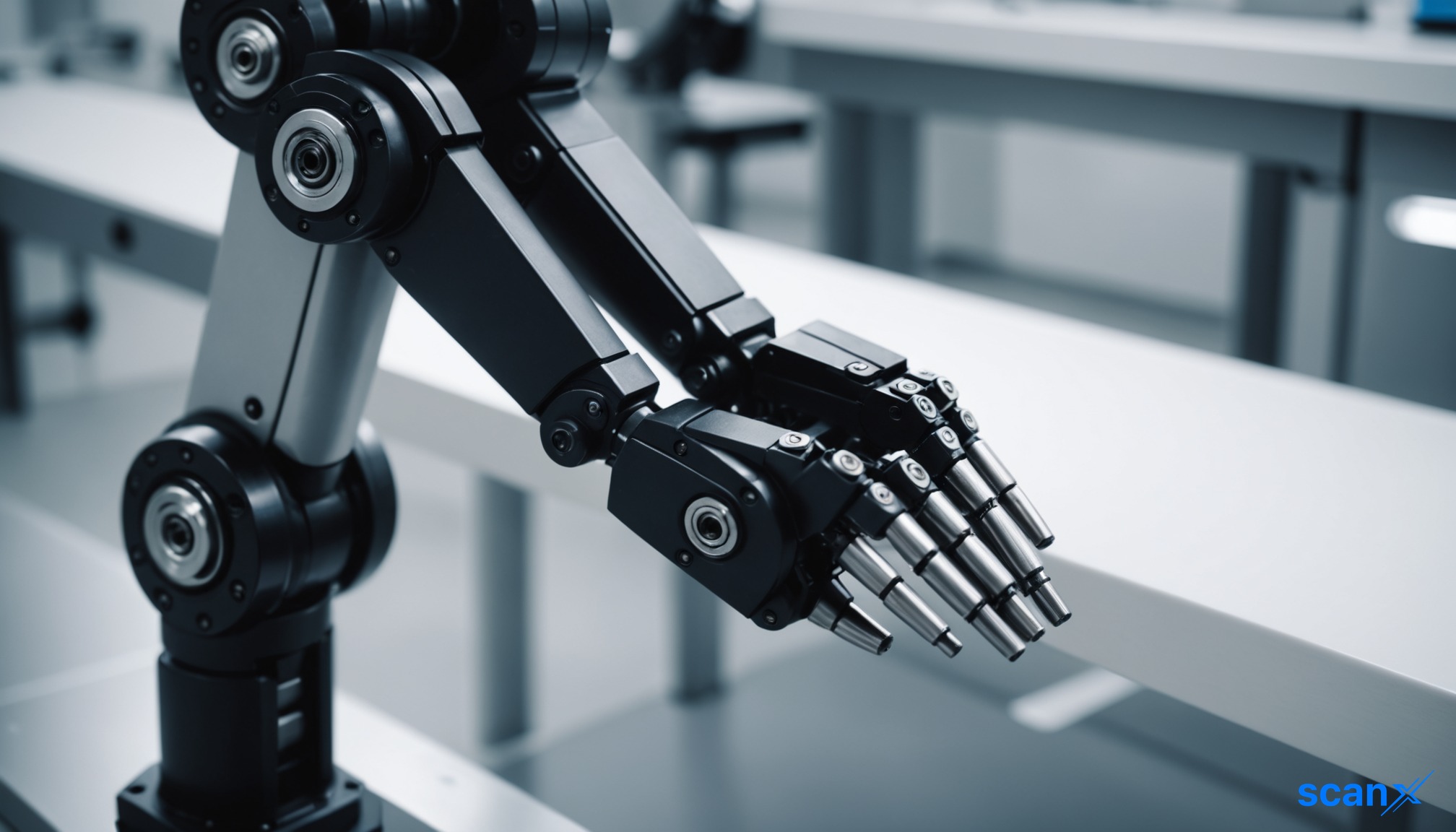

*this image is generated using AI for illustrative purposes only.
Empower India Limited announced its strategic expansion into Robotics and Artificial Intelligence implementation and system integration on October 12, 2026. The company aims to capture a share of India's projected $43.5 billion AI market by acting as an implementation partner rather than a technology developer.
The move follows the filing of a press release under Regulation 30 of the SEBI (Listing Obligations and Disclosure Requirements) Regulations, 2015. Empower India intends to collaborate with established AI developers, robotics manufacturers, and automation providers to help enterprises deploy advanced solutions within existing operational environments.
Market opportunity and growth metrics
The company identified significant growth potential in the Indian technology sector, citing specific market projections for the period between 2025 and 2030. The following table outlines the key market figures disclosed in the announcement:
| Metric | Value | Timeframe |
|---|---|---|
| India AI Market Size | $43.5 billion | By 2030 |
| AI Market CAGR | 32% | 2025–2030 |
| Intelligent Robotics Market (Start) | $450.5 million | 2025 |
| Intelligent Robotics Market (End) | $1.68 billion | 2030 |
| Robotics Market Growth Rate | 30.2% | Projected |
Partnership-led business model
Empower India will adopt an asset-light approach, focusing on implementation, integration, and operationalization. This strategy allows the company to avoid heavy capital expenditure on proprietary hardware or software development. Instead, it will leverage partnerships with specialist technology firms to address enterprise needs.
The proposed revenue streams include:
- Implementation fees
- System integration charges
- Customization and deployment costs
- Maintenance and technology support contracts
Strategic focus areas
The company outlined five core areas where it intends to build capabilities to bridge the gap between technology providers and end-users:
- AI Implementation & Integration: Deploying third-party AI and machine learning solutions across enterprise software and workflows.
- Robotics System Integration: Connecting robotic platforms with existing machines, sensors, and business processes.
- Software-Hardware Integration: Building APIs and digital interfaces to link AI applications with hardware systems.
- Enterprise Automation: Implementing intelligent automation to enhance productivity and process visibility.
- Deployment & Customization: Adapting partner technologies to specific operational requirements of enterprise customers.
Bridging the integration gap
Rajesh Chavan, Managing Director of Empower India, stated that the primary challenge for businesses is not identifying technology but ensuring successful integration into existing operations. "Our strategy is to work with strong technology partners and combine their capabilities with our implementation, integration and infrastructure expertise," Chavan said. The company aims to help enterprises move from technology adoption to practical deployment by creating intelligent systems that operate effectively within real business environments.
Historical Stock Returns for Empower
| 1 Day | 5 Days | 1 Month | 6 Months | 1 Year | 5 Years |
|---|---|---|---|---|---|
| +4.15% | +24.84% | -11.84% | +43.57% | +43.57% | +43.57% |

Which specific technology partners has Empower India Limited secured to support its asset-light robotics and AI integration model?
How does Empower India plan to differentiate its implementation services from established IT integrators already dominating the Indian enterprise market?
What are the projected revenue contribution timelines from these new AI and robotics verticals relative to the company's existing core business?
 16
16












 Access Market Heat-map & Insights
  Create, Save & Share your Screener
  Use 200+ Screening Filters





