

Cipla secures exclusive US rights for Keytruda biosimilar QL2107


- Cipla subsidiary InvaGen signs exclusive US partnership with Qilu Pharmaceutical
- Deal covers licensing and supply of QL2107, a Keytruda biosimilar
- Qilu handles development and supply; Cipla manages commercialization
- Agreement supports Cipla's strategy to expand oncology biosimilar portfolio



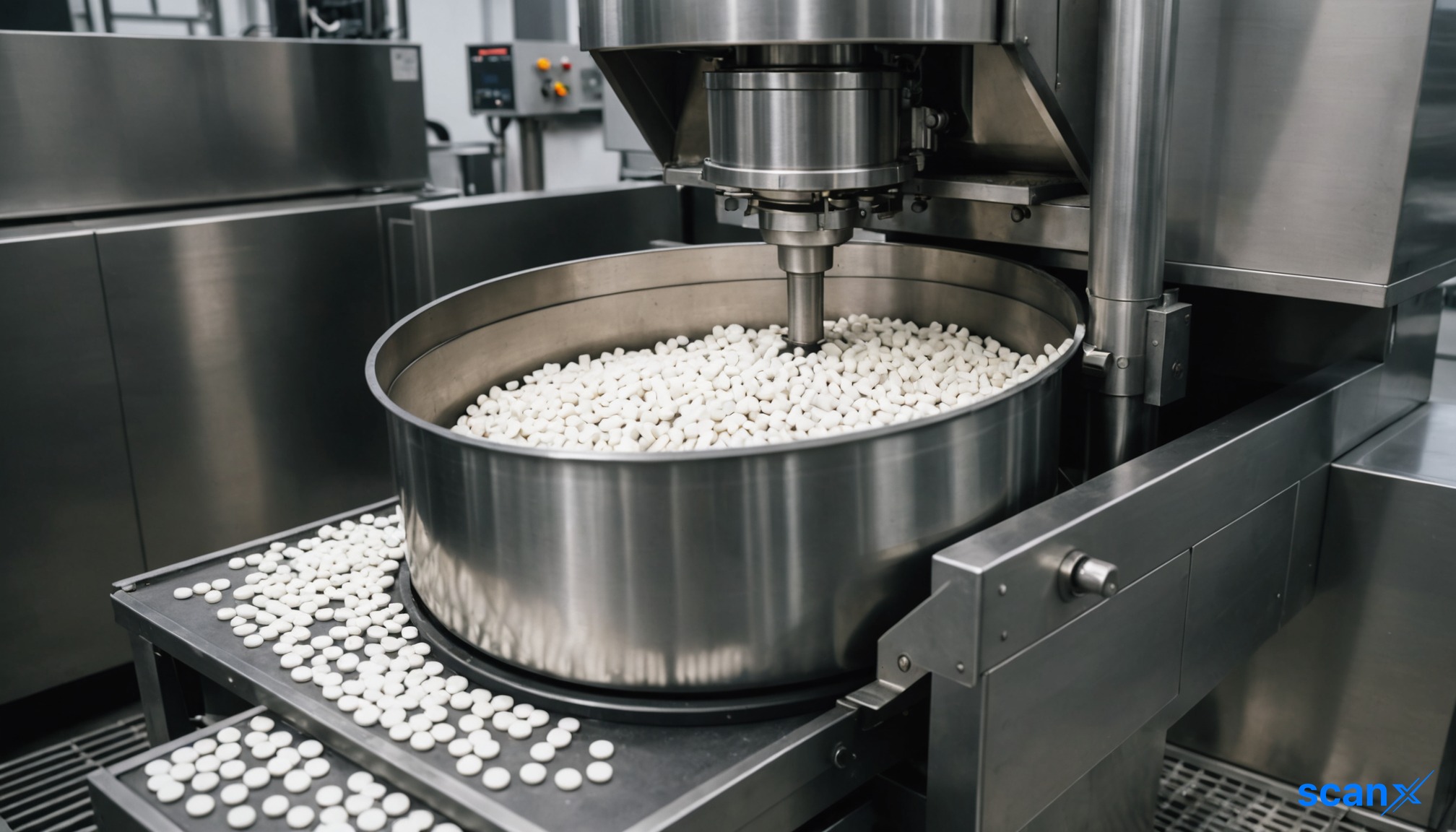
*this image is generated using AI for illustrative purposes only.
Cipla 's subsidiary InvaGen Pharmaceuticals has entered into an exclusive strategic partnership with Qilu Pharmaceutical for the licensing and supply of QL2107, a biosimilar to Keytruda, specifically for the United States market.
Deal overview
The agreement designates InvaGen as the exclusive partner for QL2107. Under the terms, Qilu Pharmaceutical will handle development, regulatory registration, and supply of the product. Cipla USA Inc. will be responsible for commercialization, leveraging its established presence in the defined territory.
| Parameter | Details |
|---|---|
| Cipla subsidiary | InvaGen Pharmaceuticals |
| Partner | Qilu Pharmaceutical |
| Product | QL2107 (Keytruda biosimilar) |
| Agreement type | Exclusive licensing and supply |
| Territory | United States |
| Roles | Qilu: Development/Supply; Cipla: Commercialization |
Strategic context
The exclusive nature of the arrangement grants InvaGen a differentiated position in the biosimilar segment for this molecule. The collaboration aligns with Cipla's strategy to build a strong oncology-focused portfolio and expand its biosimilar offerings in coming fiscal years.
Achin Gupta, Managing Director & Global Chief Executive Officer, Cipla, stated that the partnership reflects confidence in the long-term potential of biosimilars. Marc Falkin, Chief Executive Officer, Cipla North America, noted that the company is well-positioned to launch QL2107, subject to regulatory approval.
What the Numbers Show
The deal structure clearly delineates operational responsibilities: Qilu retains control over the capital-intensive phases of development and manufacturing, while Cipla leverages its existing commercial infrastructure in the US. This division allows Cipla to expand its oncology portfolio without assuming upfront R&D costs, relying instead on its commercial execution capabilities to drive revenue post-approval.
Source:
Historical Stock Returns for Cipla
| 1 Day | 5 Days | 1 Month | 6 Months | 1 Year | 5 Years |
|---|---|---|---|---|---|
| -0.08% | +1.78% | -2.50% | +7.61% | -15.63% | 0.0% |

How might the entry of QL2107 impact Merck's Keytruda pricing strategy and market share in the US oncology sector?
What is the projected timeline for regulatory approval of QL2107 by the FDA, and what are the key milestones remaining?
How does this exclusive partnership influence Cipla's valuation compared to other Indian pharma companies with biosimilar pipelines?













 Access 50+ Readymade Screeners
  Use 200+ Custom Filters
  Get Full Market Insights





