

Cipla signs exclusive licensing deal with SBP Group for HER2 ADC TQB2102


- Cipla signs exclusive licensing deal with SBP Group for HER2 bispecific ADC TQB2102
- Agreement covers India, South Africa, and five other emerging markets
- Cipla handles local clinical development, regulatory activities, and commercialisation
- SBP Group subsidiary CTTQ to manufacture and supply the asset



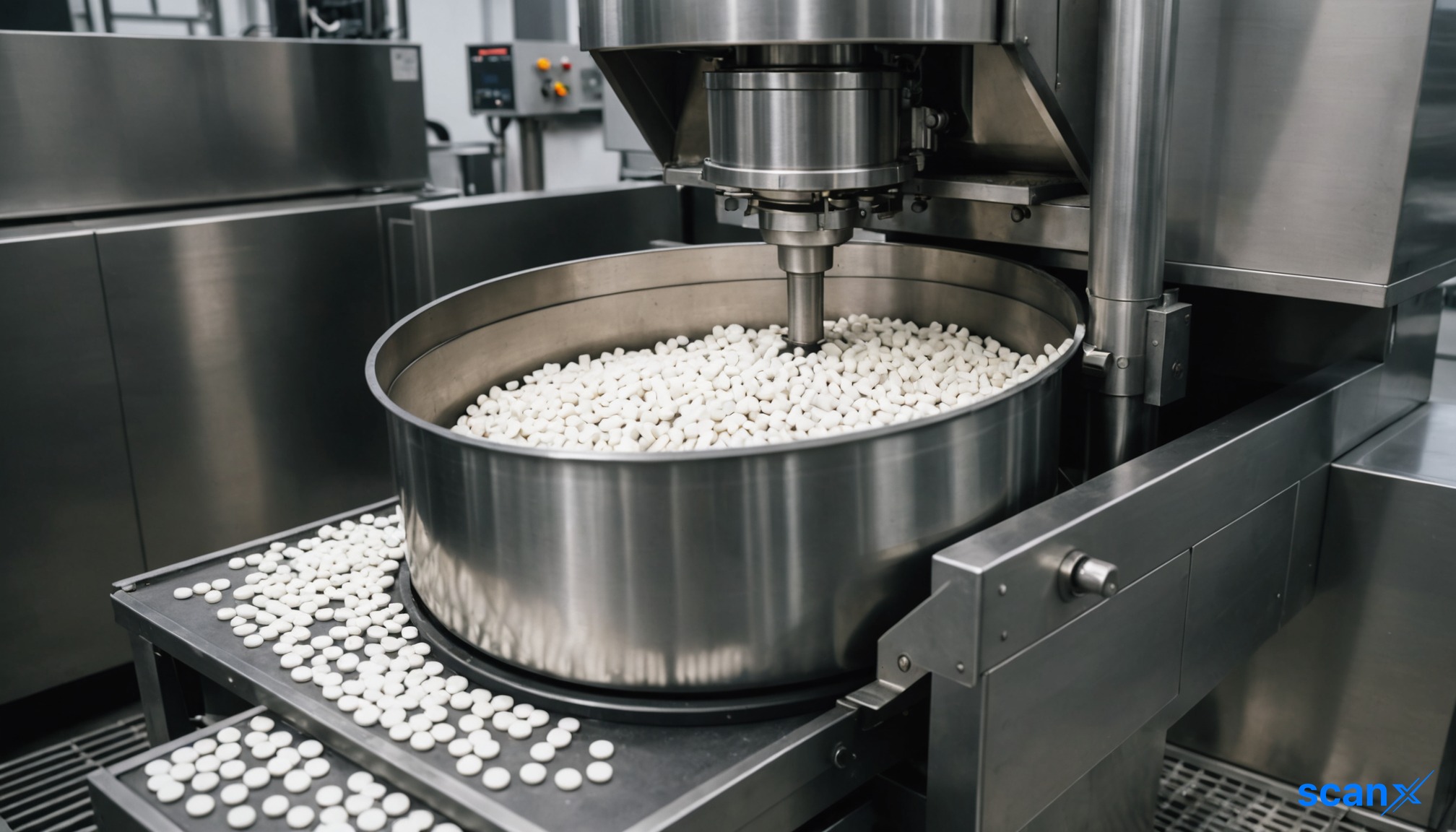
*this image is generated using AI for illustrative purposes only.
Cipla has entered into an exclusive licensing agreement with SBP Group for the HER2 bispecific antibody-drug conjugate (ADC) rolditamig deuderuxtecan (TQB2102), covering India, South Africa, and five other emerging markets. The deal, announced on August 31, 2026, aims to accelerate patient access to this potential best-in-class oncology therapy.
Deal structure and market scope
Under the agreement, Cipla will be responsible for local clinical development, regulatory activities, and commercial sales of rolditamig deuderuxtecan across the licensed territories. The deal spans a total of seven markets, with India and South Africa explicitly named alongside five additional emerging markets. SBP Group’s subsidiary, Chia Tai Tianqing Pharmaceutical Group Co., Ltd. (CTTQ), will continue to manufacture and supply TQB2102.
Key deal parameters
The following table summarises the known parameters of the licensing agreement:
| Parameter | Details |
|---|---|
| Licensor | SBP Group (via CTTQ) |
| Licensee | Cipla |
| Asset | Rolditamig deuderuxtecan (TQB2102) |
| Asset type | HER2 bispecific ADC |
| Agreement type | Exclusive licensing and supply |
| Markets covered | India, South Africa, and five other emerging markets |
| Cipla's role | Local clinical development, regulatory, and commercialisation |
| SBP's role | Manufacturing and supply |
Rolditamig deuderuxtecan, designated TQB2102, is a next-generation HER2 dual-epitope bispecific ADC independently developed by SBP Group. It simultaneously binds to the ECD II and ECD IV domains of HER2 and incorporates a cleavable linker and topoisomerase I inhibitor payload. This differentiated design is intended to overcome limitations associated with conventional HER2 monoclonal antibodies or single-target ADCs, potentially enhancing receptor cross-linking and endocytosis efficiency in patients with HER2-low expression.
Clinical potential and regulatory status
TQB2102 has received three Breakthrough Therapy Designations from the Center for Drug Evaluation of China's National Medical Products Administration. It is currently being evaluated for HER2-low, HER2-positive breast cancer, colorectal cancer, and biliary tract cancer across multiple treatment settings. The asset has demonstrated encouraging clinical potential in HER2-low advanced breast cancer.
Strategic rationale
Achin Gupta, Managing Director and Global Chief Executive Officer of Cipla, stated that the agreement strengthens the company’s oncology portfolio with a promising HER2-targeted antibody-drug conjugate. He noted that breast cancer remains a significant healthcare challenge and that the partnership aims to accelerate development and expand access subject to regulatory approvals.
Eric Tse, CEO of SBP Group, highlighted that expanding global access to medicines is central to their strategy. He cited Cipla’s scale, local expertise, and commitment to patient access as key factors in selecting it as a partner for India, South Africa, and other emerging markets.
Source: https://lodr-files.dhan.co/lodr-inputs/Company/INE059A01026/b5ca36cd-3407-4f2f-9182-8b004f794ce4.pdf
Historical Stock Returns for Cipla
| 1 Day | 5 Days | 1 Month | 6 Months | 1 Year | 5 Years |
|---|---|---|---|---|---|
| -0.08% | +1.78% | -2.50% | +7.61% | -15.63% | 0.0% |

How might Cipla's local clinical development strategy for TQB2102 differ from SBP Group's global trials to address specific regulatory or demographic needs in India and South Africa?
What is the projected timeline for Cipla to initiate Phase III trials or submit regulatory filings in the licensed emerging markets following this agreement?
How does the competitive landscape of HER2-targeted therapies in India and South Africa position TQB2102 against existing monoclonal antibodies and other ADCs already on the market?












 Access 50+ Readymade Screeners
  Use 200+ Custom Filters
  Get Full Market Insights





