

Boeing confirms 2028 delivery for Air Force One but warns of higher costs


Boeing Co. confirmed a 2028 delivery target for the next-generation Air Force One jets, warning of further cost growth due to technical challenges. The program is four years behind schedule, with costs surpassing $5 billion against the original $3.9 billion contract. Separately, Boeing partnered with Deutsche Lufthansa AG and Rolls-Royce Holdings PLC for fuel-efficiency testing and advocated for $20 billion in air traffic control funding.


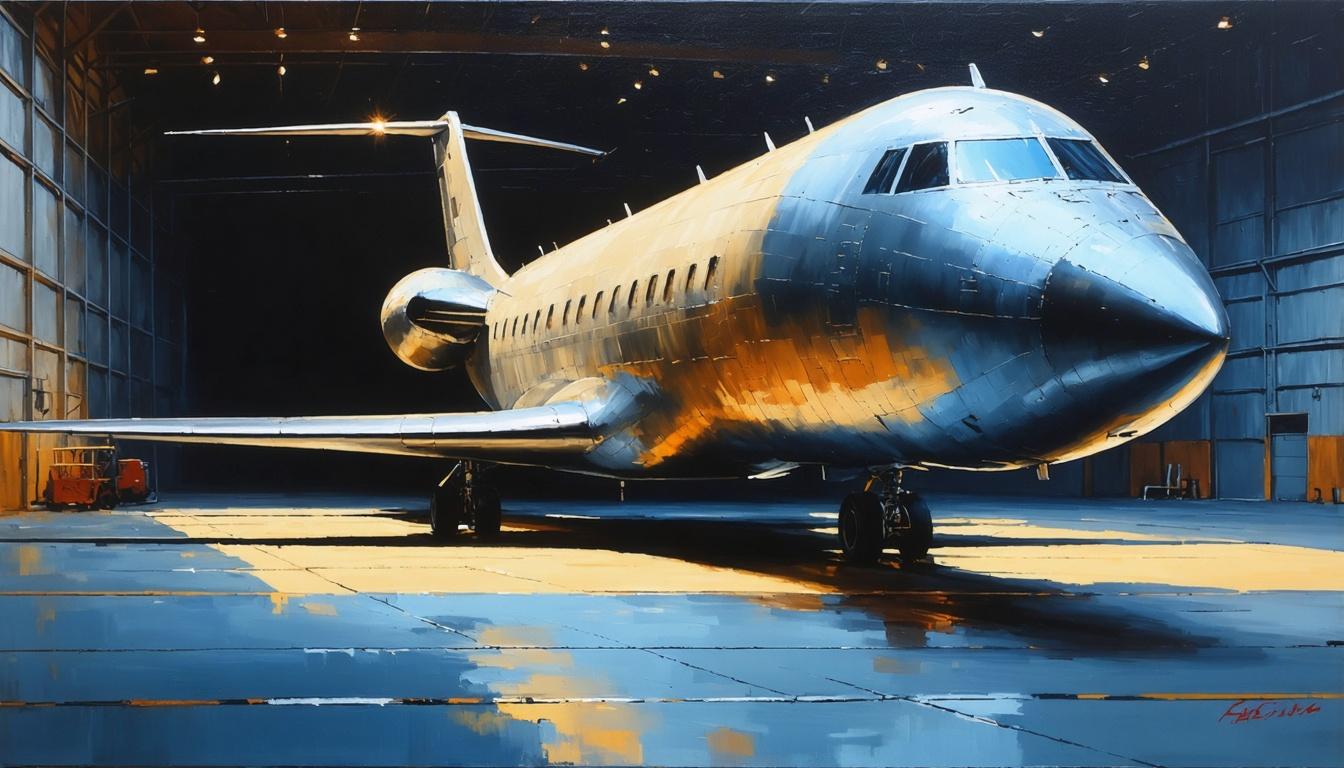
*this image is generated using AI for illustrative purposes only.
Boeing Co. expects to deliver the next-generation Air Force One jets by 2028, a timeline that the company warns will lead to further cost growth. Steve Parker, CEO of Boeing Defense, Space & Security, confirmed the delivery target, citing wiring, structural work, and certifications as factors driving the increased expenses. The manufacturer affirmed it remains on track for the 2028 deadline despite these challenges.
The program is currently running four years behind its original schedule. Boeing was awarded a $3.9 billion contract in 2018 to build the aircraft, but total costs have since surpassed $5 billion. The delay and budget overruns highlight the complexity of the modifications required for the presidential aircraft.
Cost Growth and Technical Challenges
Parker attributed the rising costs to the extensive technical work required to bring the aircraft up to presidential standards. The scope includes complex wiring upgrades, structural modifications, and rigorous certification processes. These technical hurdles have contributed to the program falling behind schedule and exceeding initial budget estimates.
| Program Detail | Value |
|---|---|
| Original Contract Value (2018) | $3.9 billion |
| Current Total Cost | >$5 billion |
| Schedule Delay | 4 years |
| Target Delivery Year | 2028 |
Industry Partnerships and Advocacy
Separately, Boeing announced a partnership with Deutsche Lufthansa AG and Rolls-Royce Holdings PLC to conduct fuel-efficiency and noise-reduction flight testing. The tests will utilize the 787-9 Dreamliner aircraft powered by Rolls-Royce Trent 1000 engines. Additionally, Boeing joined other airlines, manufacturers, airports, and unions in urging lawmakers to pass a $20 billion funding package for air traffic control upgrades.

How will the continued cost overruns on the Air Force One program impact Boeing's overall defense division profitability and future bidding strategies?
What are the potential risks to the 2028 delivery target if the current technical challenges with wiring and certifications persist?
Could the Air Force One delays influence the U.S. government's decision-making on Boeing's other major defense contracts?
 16
16



 Access 50+ Readymade Screeners
  Use 200+ Custom Filters
  Get Full Market Insights





