

Best Eastern Hotels posts ₹59.16 lakh net loss in FY26 as revenue drops 10.8%


Best Eastern Hotels posted a net loss of ₹59.16 lakh in FY26 due to a 10.8% drop in total income to ₹568.63 lakh against elevated expenses of ₹625.76 lakh. Finance costs surged to ₹29.27 lakh as net borrowings increased to ₹289.98 lakh, worsening the gearing ratio to 64.82%.


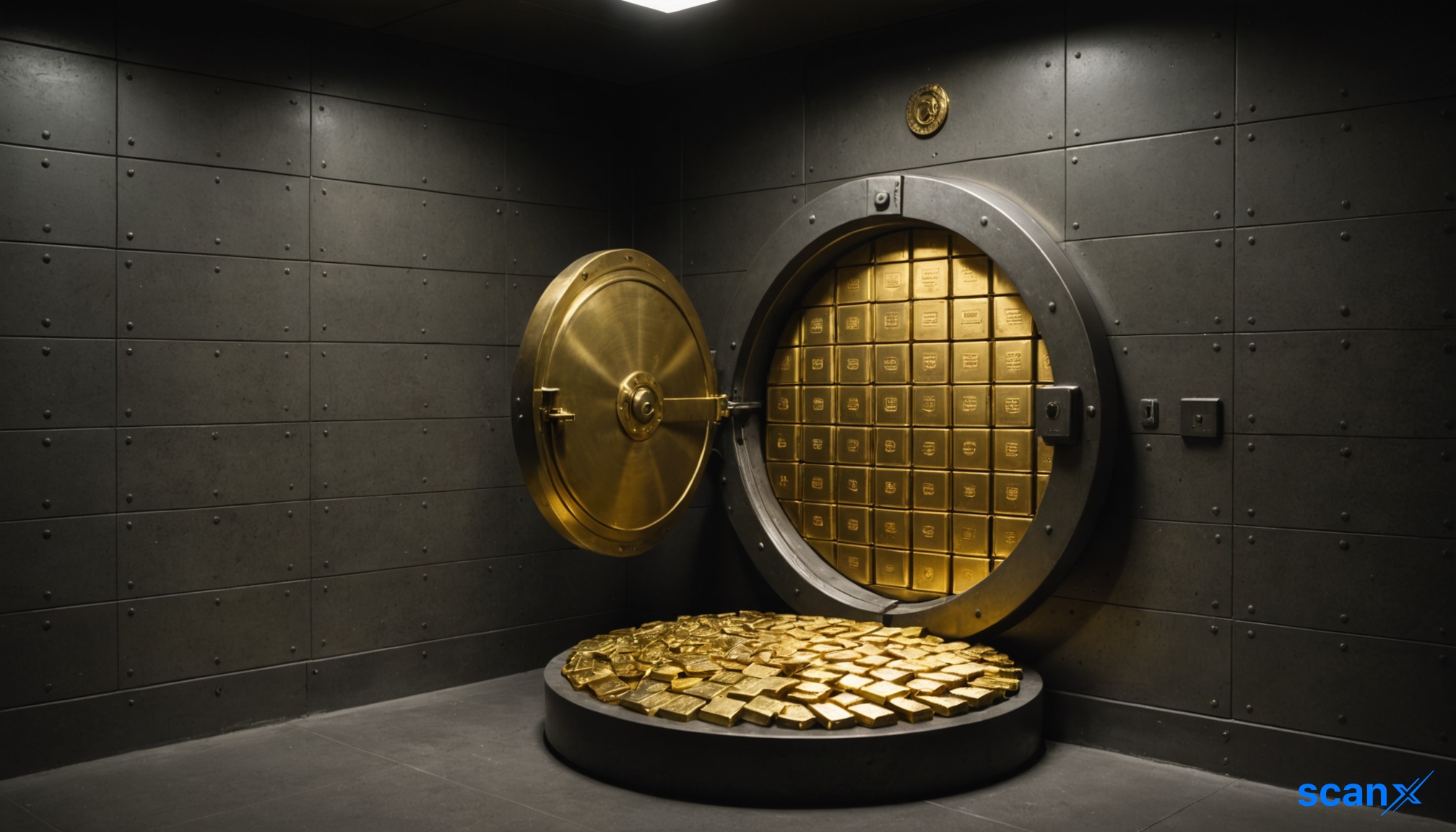
*this image is generated using AI for illustrative purposes only.
Best Eastern Hotels reported a net loss of ₹59.16 lakh for the fiscal year ended March 31, 2026 (FY26), marking a sharp reversal from the net profit of ₹1.03 lakh recorded in FY25. The deterioration was driven by a 10.8% decline in total income to ₹568.63 lakh, while total expenses remained elevated at ₹625.76 lakh. This performance highlights operational pressure as the hotelier navigates reduced revenue streams against fixed cost structures, with finance costs surging due to increased borrowings.
The company convened its 83rd Annual General Meeting on August 25, 2026, to approve the financial statements and reappoint directors. Vinaychand Yadavsingh Kothari, Chairman and Managing Director, sought reappointment liable to retire by rotation. The Board also disclosed related-party transactions, including rental payments of ₹8.40 lakh to Mr. Kothari for the registered office premises in Mumbai and support services worth ₹7.20 lakh from Sardar Sarovar Holiday Resorts LLP.
Financial Performance
Revenue from operations stood at ₹557.19 lakh in FY26, down from ₹624.55 lakh in FY25. Room revenue, the primary income driver, declined to ₹358.09 lakh from ₹402.45 lakh. Food and beverage revenue also contracted to ₹186.71 lakh from ₹209.31 lakh. Other income contributed ₹11.44 lakh, including ₹7.20 lakh from support services provided by Sardar Sarovar Holiday Resorts LLP.
| Metric | FY26 (₹ lakh) | FY25 (₹ lakh) |
|---|---|---|
| Total Income | 568.63 | 637.60 |
| Total Expenses | 625.76 | 637.26 |
| Profit Before Tax | (57.13) | 0.34 |
| Net Profit/Loss | (59.16) | 1.03 |
Expense Analysis
Finance costs surged to ₹29.27 lakh from ₹20.62 lakh in the prior year, reflecting higher interest outflows on borrowings. Employee benefits expense rose to ₹244.55 lakh from ₹213.30 lakh, largely due to increased director remuneration totaling ₹70.15 lakh. Operating expenses decreased slightly to ₹148.40 lakh from ₹152.85 lakh, while administrative expenses fell to ₹79.19 lakh from ₹92.19 lakh.
Depreciation on property, plant, and equipment was ₹44.82 lakh, compared to ₹46.65 lakh in FY25. The company recorded a deferred tax asset of ₹2.08 lakh, contributing to the final net loss figure.
Balance Sheet Highlights
Net borrowings increased significantly to ₹289.98 lakh from ₹209.19 lakh in FY25. Current borrowings rose to ₹169.98 lakh, comprising bank overdrafts and loans from directors. Non-current borrowings remained stable at ₹120.00 lakh, representing 10% cumulative redeemable preference shares. Cash and cash equivalents stood at ₹6.41 lakh, down from ₹4.71 lakh.
The gearing ratio worsened to 64.82% from 50.60%, indicating higher leverage relative to equity. Equity share capital remained unchanged at ₹168.50 lakh, with promoters holding 75.00% of the equity shares.
What the Numbers Show
The widening net loss despite stable expense levels highlights a revenue-driven deterioration rather than cost inefficiency. The surge in finance costs, now accounting for nearly half of the pre-tax loss, suggests that debt servicing is becoming a material drag on profitability. With room revenue declining and borrowing costs rising, the company faces margin compression that requires either revenue recovery or debt restructuring to stabilize earnings.
Historical Stock Returns for Best Eastern Hotels
| 1 Day | 5 Days | 1 Month | 6 Months | 1 Year | 5 Years |
|---|---|---|---|---|---|
| 0.0% | -3.75% | -10.65% | +14.65% | +0.51% | -52.16% |

What specific operational strategies is Best Eastern Hotels implementing to reverse the decline in room and F&B revenue for FY27?
How does the company plan to manage its increased debt burden and rising finance costs without further diluting equity or risking liquidity?
Will the reappointment of the Chairman and Managing Director signal a shift in leadership strategy to address the widening net loss?
 20
20






 Access Market Heat-map & Insights
  Create, Save & Share your Screener
  Use 200+ Screening Filters





