

Bella Casa FY26 net profit rises 27% to ₹201 crore


Bella Casa Fashion & Retail Ltd reported a 27.4% increase in net profit to ₹201.27 crore for FY26, driven by a 19.4% rise in revenue to ₹416.97 crore. The company improved working capital efficiency, reduced inventory days, and undertook a ₹46 crore capital expenditure. The Board approved the results on May 26, 2026, and they were published in newspapers on May 28, 2026.

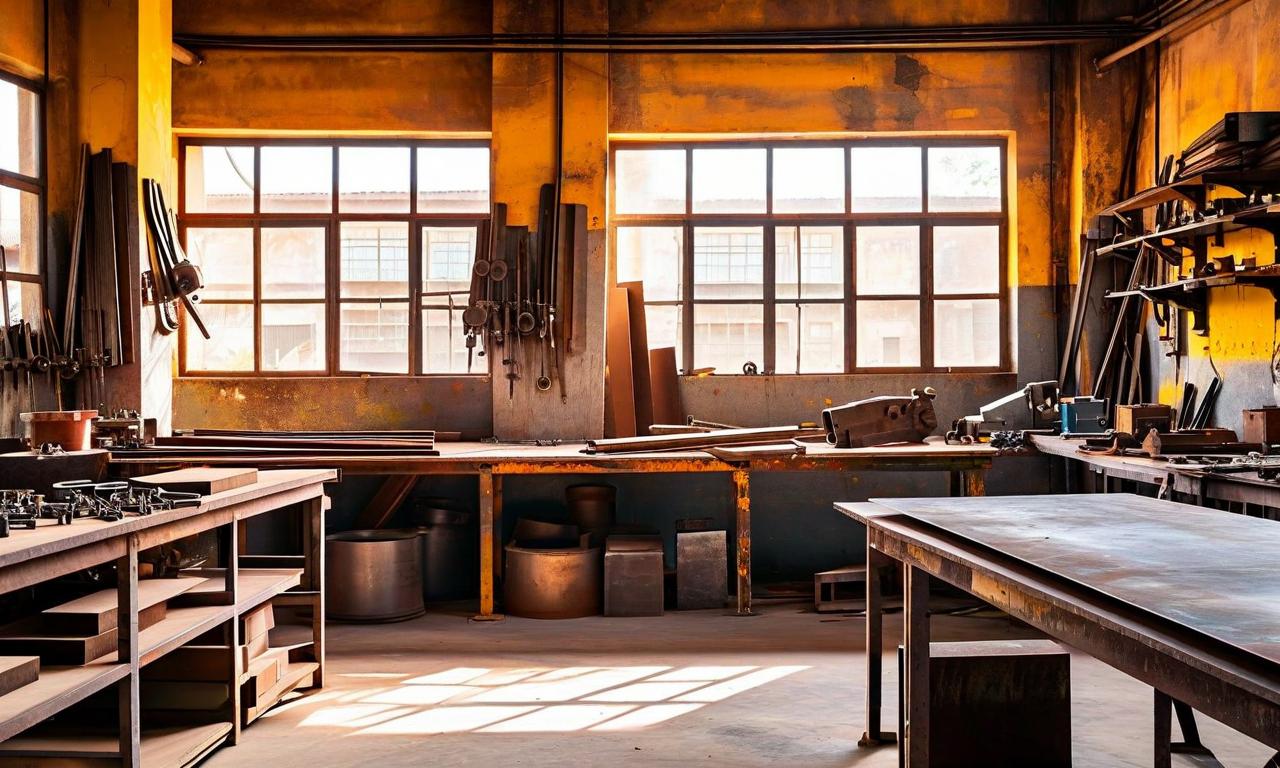

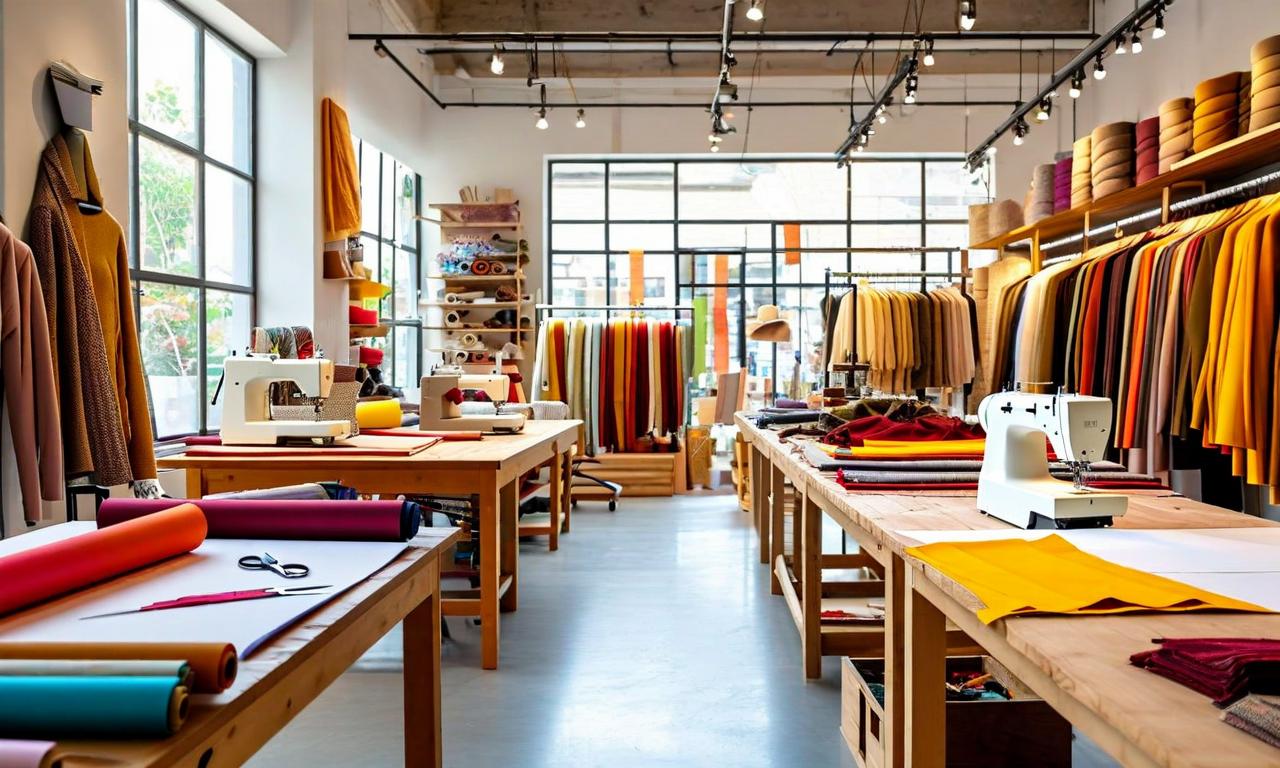
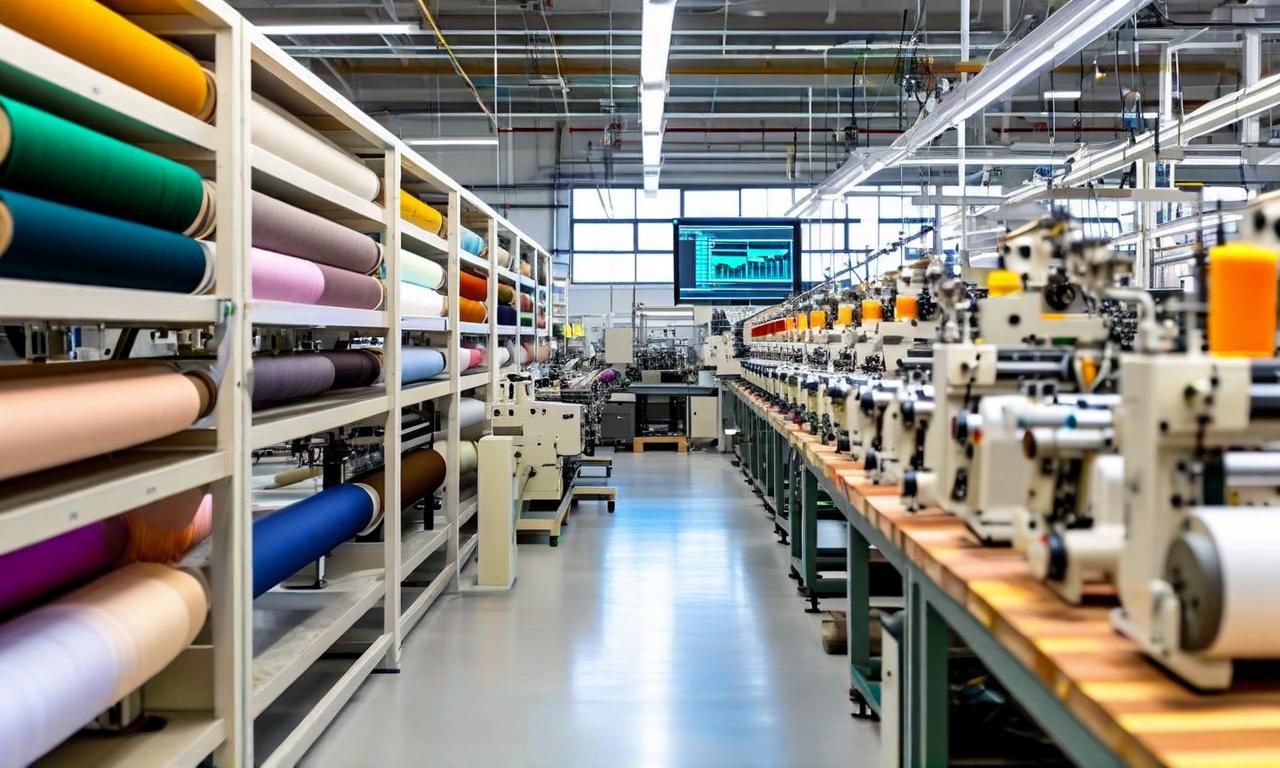
*this image is generated using AI for illustrative purposes only.
Bella Casa Fashion & Retail Ltd reported a 27.4% increase in net profit to ₹201.27 crore for the financial year ended March 31, 2026, driven by a 19.4% rise in revenue from operations to ₹416.97 crore. The company’s Board approved the audited financial results on May 26, 2026, and the findings were published in the Financial Express and Dainik Navjyoti on May 28, 2026, pursuant to Regulation 47 of the SEBI (Listing Obligations and Disclosure Requirements) Regulations, 2015.
For the quarter ended March 31, 2026, net profit stood at ₹45.65 crore, while revenue from operations was ₹111.52 crore. Total income for the year increased to ₹419.69 crore from ₹349.45 crore in the previous year. Profit before tax rose to ₹271.36 crore from ₹212.89 crore in FY25. Basic earnings per share for FY26 improved to ₹15.13 from ₹12.43 in the prior year.
Financial Performance
| Metric | FY26 (₹ in lakh) | FY25 (₹ in lakh) | Change |
|---|---|---|---|
| Revenue from Operations | 41,697.14 | 34,945.31 | 19.4% |
| Net Profit | 2,012.72 | 1,579.53 | 27.4% |
| Total Income | 41,969.14 | 34,945.31 | 20.1% |
| Total Expenses | 39,255.56 | 32,816.39 | 19.6% |
Operational Highlights
Bella Casa achieved an operational capacity of 2 crore pieces per annum in the second half of FY26. The company generated a cash flow from operations of ₹31 crore and delivered a Return on Capital Employed of 17%. Working capital efficiency improved, with inventory days reducing from 126 days in FY25 to 102 days in FY26 despite sales growth. The debtor cycle improved significantly from 120 days to 50 days over the last five years.
The company undertook a major capital expenditure of approximately ₹46 crore, funded through internal accruals, to strengthen its manufacturing platform. Unit 4 and 6 are undergoing modernization, with key value-add processes being shifted in-house. The company operates 6 manufacturing plants situated in Jaipur and has land available for adding two new units.
Strategic Transition
The company completed a strategic transition from the home furnishing business during FY26. Apparel business sales now constitute 94% of total revenue, up from 90% in FY25, while home furnishing sales dropped to 6%. This shift contributed to a reduction in inventory days from 190+ in FY23 to 102 in FY26. The company also acquired two new land parcels for future growth and listed on the NSE in 2025.
Corporate Governance
The Board approved the re-appointment of M/s. Ranjan Mehta & Associates Chartered Accountants as the internal auditor for the financial year 2026-27. Additionally, the Board constituted a new Management Committee effective May 26, 2026, comprising Mr. Govind Saboo as Chairperson and Mr. Saurav Gupta and Mr. Gaurav Gupta as members. The statutory auditor's report confirmed compliance with Indian Accounting Standards (Ind-AS) and Regulation 33 of the SEBI (Listing Obligations and Disclosure Requirements) Regulations, 2015.
Source: https://lodr-files.dhan.co/lodr-inputs/Company/INE344T01014/9b4b2fccf6ae4934.pdf
Historical Stock Returns for Bella Casa Fashion & Retail
| 1 Day | 5 Days | 1 Month | 6 Months | 1 Year | 5 Years |
|---|---|---|---|---|---|
| +2.09% | +4.22% | +4.24% | -10.39% | -37.27% | -40.35% |

How will the near-complete pivot to apparel (94% of revenue) impact the company's risk profile regarding seasonal demand and fashion cycles compared to its previous home furnishing mix?
What are the specific timelines and expected capacity increases for the proposed two new manufacturing units on the recently acquired land parcels?
Can the 17% Return on Capital Employed be sustained as the company scales operations and integrates the new value-add processes into Units 4 and 6?
 20
20





 Create Custom Screeners
  Access 200+ Pre-built Filters
  Use 50+ Readymade Screener





