

Balkrishna Paper Mills seeks nod to reduce share capital and write off losses


Balkrishna Paper Mills Limited has initiated a remote e-voting process from June 3 to July 2, 2026, seeking shareholder approval for a scheme to reduce share capital and write off accumulated losses totaling ₹2,78,39,19,643 as of September 30, 2025. The plan involves reducing the face value of equity shares from ₹10 to ₹1, cancelling preference share capital, and setting off losses against reserves. Additionally, the company seeks approval for material related party transactions, including Inter Corporate Deposits up to ₹25 crore per fiscal year from specific entities.


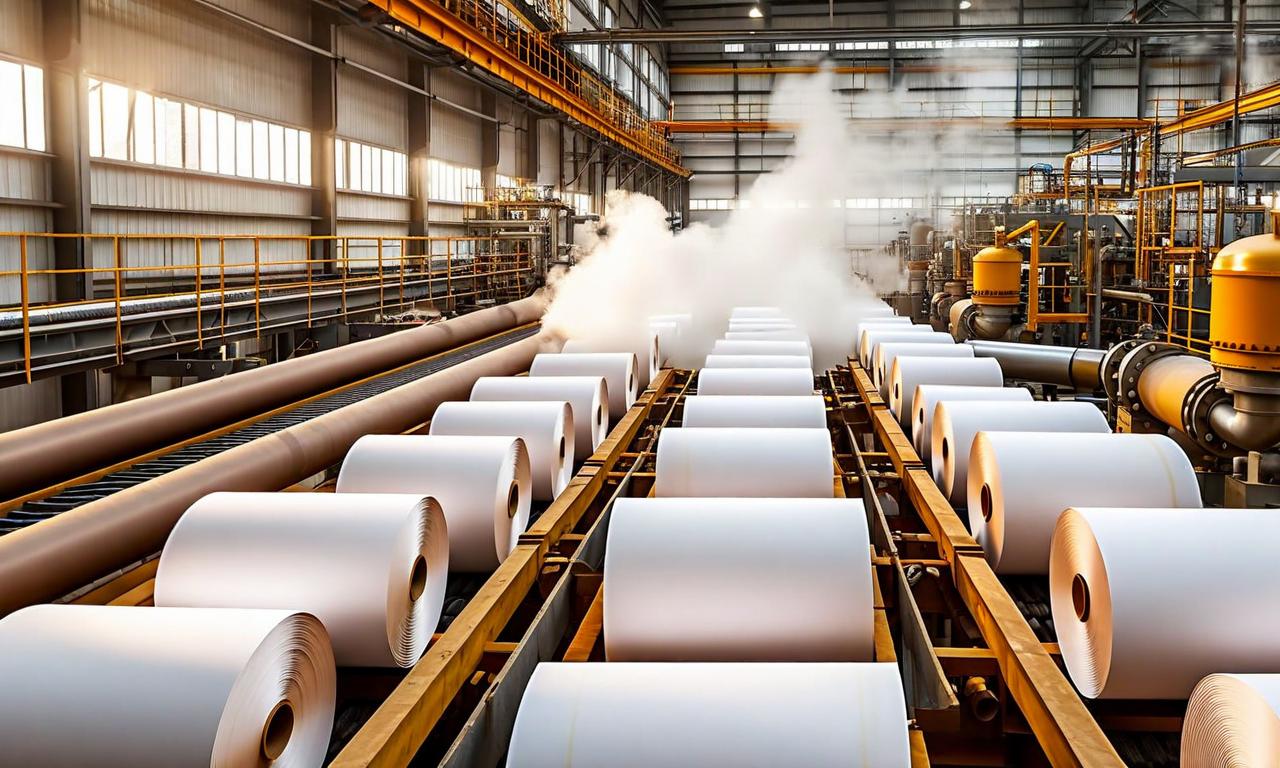
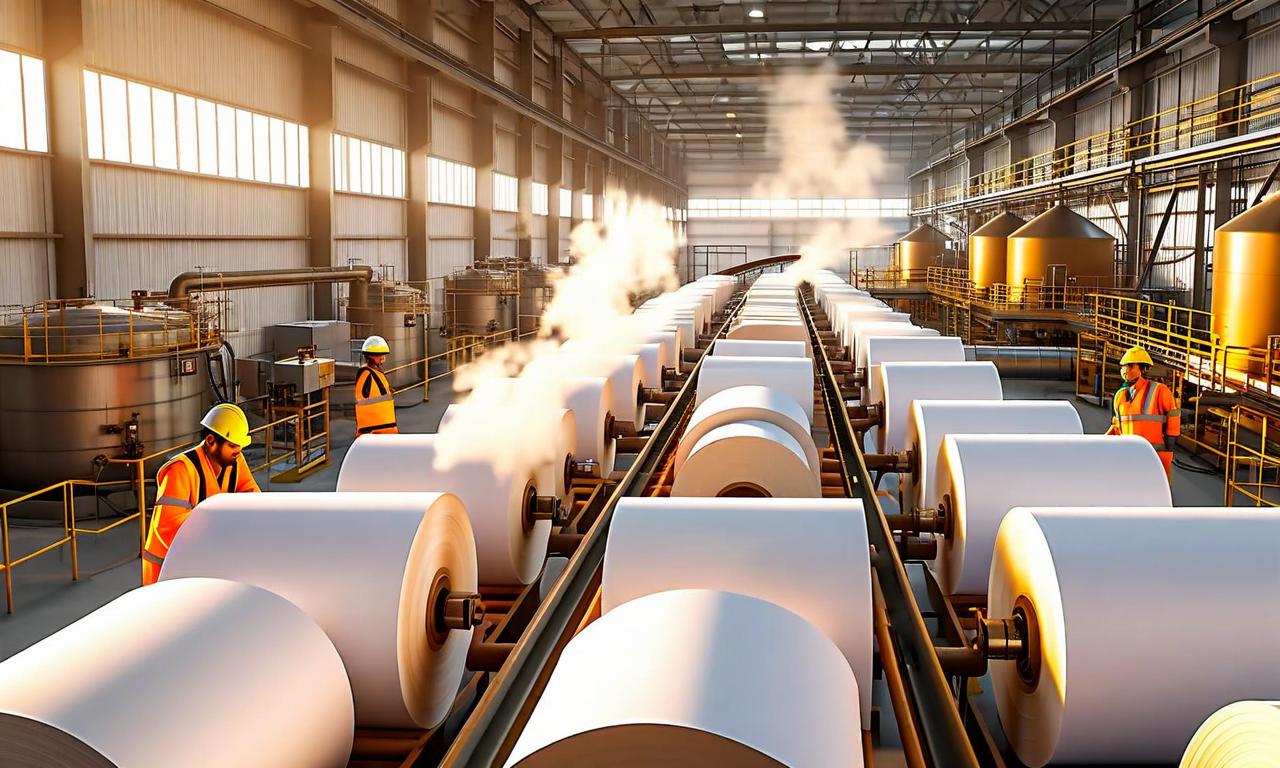
*this image is generated using AI for illustrative purposes only.
Balkrishna Paper Mills Limited has scheduled a remote e-voting process from June 3 to July 2, 2026, to seek shareholder approval for a scheme of reduction of share capital and several material related party transactions. The proposal aims to address the company's accumulated losses, which stood at ₹2,78,39,19,643 as per the limited review financial statements for the quarter ended September 30, 2025, and to reorganize its capital structure.
Scheme of Reduction of Share Capital
The Board of Directors has proposed a scheme to reduce the issued, subscribed and paid-up equity share capital by lowering the face value of 3,22,19,532 equity shares from ₹10 each to ₹1 each. This reduction will adjust accumulated losses first against the Securities Premium Reserve of ₹23,28,61,241 and then against the paid-up equity share capital. Furthermore, the entire issued preference share capital of ₹1,10,00,00,000, comprising 1,10,00,000 6.5% Non-Cumulative Redeemable Preference Shares, will be cancelled and extinguished. The consideration payable to preference shareholders will be treated as an unsecured non-interest bearing loan in the company's books until adequate funds become available for discharge.
The table below outlines the financial impact of the proposed adjustments:
| Particulars | Amount in ₹ |
|---|---|
| Accumulated Losses (as at 30th September, 2025) | 2,78,39,19,643 |
| (Less) Securities Premium Reserve | (23,28,61,241) |
| (Less) Paid-up Equity Share Capital (adjusted by reducing face value from ₹10 to ₹1) | (28,99,75,788) |
| Accumulated losses after adjustments | 2,26,10,82,614 |
Material Related Party Transactions
Shareholders will also vote on ordinary resolutions to approve material related party transactions. The company seeks approval to enter into transactions with Futuristic Concepts Media LLP, Sanchna Trading and Finance Limited, S P Finance and Trading Limited, Poddar Bio Diesel Private Limited, and Wavelink Fabrics LLP regarding the reduction of preference share capital.
Additionally, the company proposes to avail Inter Corporate Deposits (ICDs) from S P Finance and Trading Limited and Sanchna Trading and Finance Limited. The company seeks approval for ICDs up to ₹25 crore for FY 2026-27 and up to ₹25 crore for FY 2027-28 from each entity, in one or more tranches, at an interest rate of up to 12% per annum. These transactions are deemed material as the company's turnover for FY 2024-25 was ₹2.32 crore, and the proposed limits exceed the 10% materiality threshold.
Voting Process and Timelines
The remote e-voting period commences at 9:00 a.m. IST on June 3, 2026, and concludes at 5:00 p.m. IST on July 2, 2026. The cut-off date to determine shareholder eligibility is May 22, 2026. The results of the postal ballot are expected to be declared on or before July 4, 2026. Mr. Prasen Naithani, Practicing Company Secretary, has been appointed as the scrutinizer to conduct the process. The scheme requires approval from the National Company Law Tribunal and other regulatory authorities to become effective.
Historical Stock Returns for Balkrishna Paper Mills
| 1 Day | 5 Days | 1 Month | 6 Months | 1 Year | 5 Years |
|---|---|---|---|---|---|
| +0.13% | -1.15% | -4.38% | -15.49% | -32.20% | -37.75% |

How will the conversion of preference share redemption consideration into an unsecured non-interest-bearing loan impact the company's liquidity and future cash flow obligations?
What is the likelihood of the National Company Law Tribunal approving the capital reduction scheme given the significant remaining accumulated losses?
How will the company utilize the Inter Corporate Deposits to turnaround operations given the low turnover reported in FY 2024-25?
 19
19







 Create Custom Screeners
  Access 200+ Pre-built Filters
  Use 50+ Readymade Screener





