

Balkrishna Paper Mills FY26 Results: Net loss widens to ₹651.63 lakh


- Net loss widened to ₹651.63 lakh in FY26 from a profit of ₹818.65 lakh in FY25
- Revenue from continuing operations doubled to ₹484.02 lakh, but finance costs rose to ₹607.95 lakh
- Discontinued operations profit fell sharply to ₹36.95 lakh from ₹1,483.14 lakh due to lower exceptional items
- Anuraag Poddar and Manish Malpani seek reappointment as CMD and CFO respectively
- No dividend recommended; company has halted paper manufacturing and entered real estate

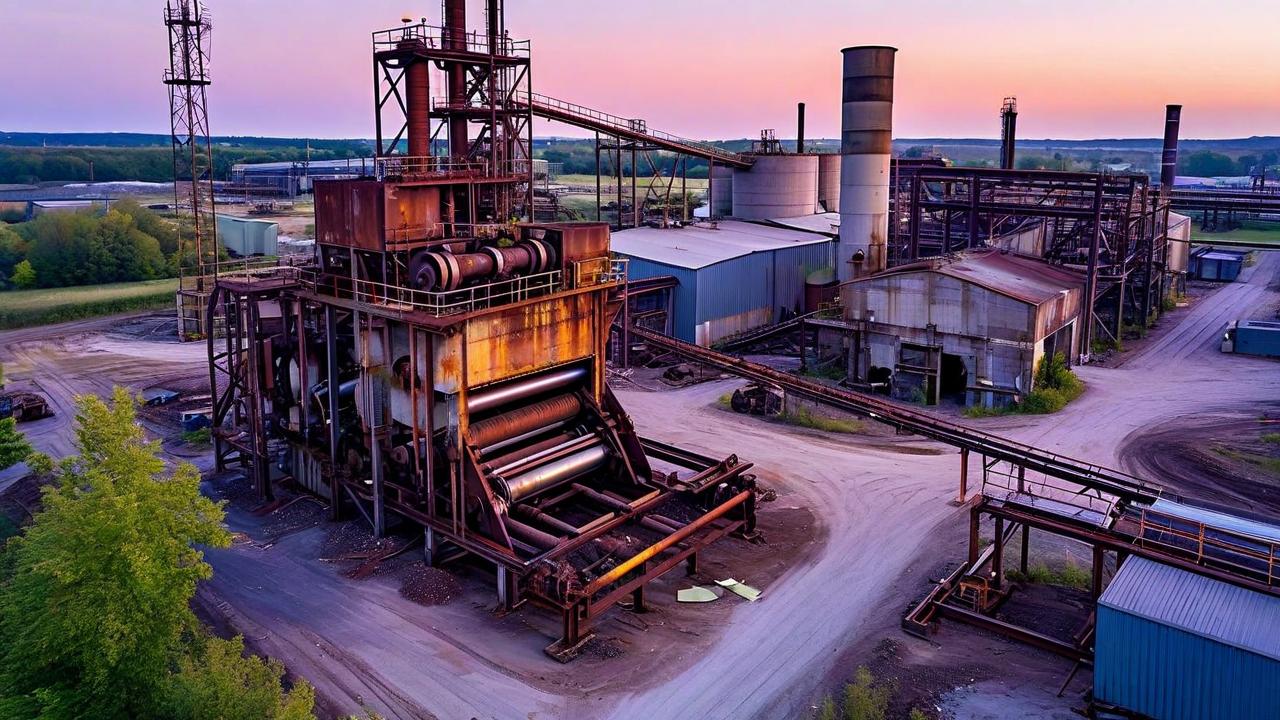

*this image is generated using AI for illustrative purposes only.
Balkrishna Paper Mills Limited has scheduled its 13th Annual General Meeting (AGM) for September 18, 2026, at 3:00 pm via video conferencing. The meeting will transact ordinary business, including the adoption of the audited financial statements for FY26 and the reappointment of key directors.
The company reported a net loss of ₹651.63 lakh for the financial year ended March 31, 2026, a reversal from the net profit of ₹818.65 lakh recorded in FY25. This shift was primarily driven by a widening loss from continuing operations, which deepened to ₹688.58 lakh from ₹664.49 lakh in the prior year.
Financial Performance
Revenue from continuing operations more than doubled to ₹484.02 lakh in FY26, up from ₹241.16 lakh in FY25. Despite the top-line growth, expenses surged significantly. Finance costs rose to ₹607.95 lakh from ₹585.69 lakh, while purchases of stock-in-trade increased to ₹440.26 lakh from ₹216.84 lakh.
Discontinued operations contributed a profit of ₹36.95 lakh in FY26, compared to ₹1,483.14 lakh in FY25. The previous year's higher gain was largely due to exceptional items, including the write-back of preference share dividends and gains on asset sales, which totaled ₹1,695.08 lakh. In contrast, FY26 saw an exceptional gain of only ₹172.00 lakh from sundry credit balance write-backs.
| Metric | FY26 | FY25 | Change |
|---|---|---|---|
| Revenue from Continuing Ops | ₹484.02 lakh | ₹241.16 lakh | +100.7% |
| Loss from Continuing Ops | ₹688.58 lakh | ₹664.49 lakh | -3.6% |
| Profit from Discontinued Ops | ₹36.95 lakh | ₹1,483.14 lakh | -97.5% |
| Net Profit / (Loss) | ₹(651.63) lakh | ₹818.65 lakh | Turnaround |
What the Numbers Show
The divergence between revenue growth and profitability highlights the company's cost structure challenges. While revenue from continuing operations grew by over 100%, finance costs remained sticky at roughly ₹600 lakh, consuming the majority of the top-line expansion. Additionally, the significant drop in discontinued operation profits—from over ₹1,400 lakh to under ₹40 lakh—indicates that the previous year's bottom line was heavily supported by one-off exceptional gains rather than operational consistency.
Corporate Actions and Governance
Shareholders will vote on the reappointment of Anuraag Poddar as Chairman and Managing Director for three years, effective February 11, 2027. His proposed monthly salary is ₹3.45 lakh, though he has forgone remuneration since April 2019 due to the company's financial position. Manish Malpani will be reappointed as Whole-time Director and CFO for three years, with a monthly salary of ₹2.53 lakh.
Prof. (Dr.) Mangesh D. Teli seeks reappointment as an Independent Director for five years. Notably, he will turn 75 during his term, requiring shareholder approval under SEBI regulations to continue beyond that age.
The Board has not recommended any dividend for FY26. The company has discontinued its paper manufacturing activities at Ambivali since November 2024 and is currently engaged in trading plastic and packaging materials. It has also approved entering real estate development activities.
Historical Stock Returns for Balkrishna Paper Mills
| 1 Day | 5 Days | 1 Month | 6 Months | 1 Year | 5 Years |
|---|---|---|---|---|---|
| -0.77% | -1.46% | -5.78% | -13.08% | -32.22% | -33.85% |

How will the strategic pivot to real estate development impact Balkrishna Paper Mills' capital requirements and debt servicing obligations given the current high finance costs?
What specific operational efficiencies or cost-control measures does management plan to implement to address the widening loss in continuing operations despite doubling revenue?
Will the discontinuation of paper manufacturing and shift to trading plastic/packaging materials provide a sustainable margin profile compared to the previous operational model?
 16
16






 Access Market Heat-map & Insights
  Create, Save & Share your Screener
  Use 200+ Screening Filters





