

Aten Papers FY26 Results: Revenue surges 35%, net profit up 5%


- Revenue surged 35% YoY to ₹1,866.5 crore driven by higher volumes
- Net profit rose 5% to ₹73.9 crore despite EPS dilution from IPO
- IPO raised ₹316.8 crore; long-term debt fully cleared
- Trade receivables jumped to ₹564.8 crore from ₹324.3 crore
- AGM to approve ₹90 crore in related-party transactions

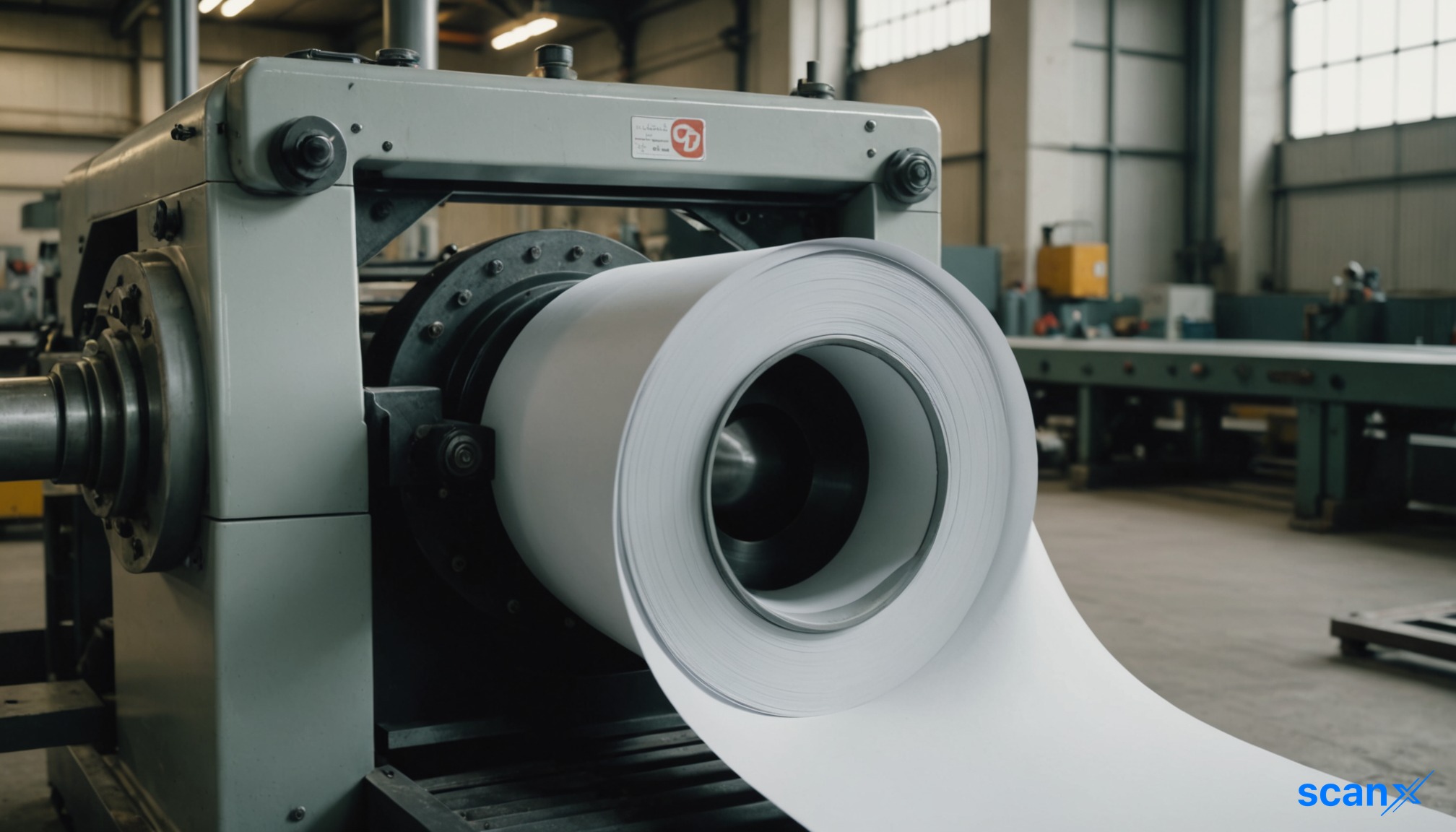

*this image is generated using AI for illustrative purposes only.
Aten Papers & Foam reported a 35% year-on-year revenue surge to ₹1,866.5 crore for the financial year ended March 2026. The Ahmedabad-based paper and foam manufacturer saw its net profit rise by 5% to ₹73.9 crore, driven by higher operational volumes despite margin compression.
Financial Performance
The company's total income stood at ₹1,869.5 crore, up from ₹1,387.2 crore in the previous fiscal. While revenue expanded significantly, total expenses increased to ₹1,769.7 crore from ₹1,293.1 crore. This resulted in a profit before tax of ₹99.8 crore, compared to ₹94.1 crore in FY25.
| Metric | FY26 (₹ crore) | FY25 (₹ crore) | Change |
|---|---|---|---|
| Revenue | 1,866.5 | 1,386.9 | +34.6% |
| Profit Before Tax | 99.8 | 94.1 | +6.1% |
| Net Profit | 73.9 | 70.1 | +5.4% |
Earnings per share (EPS) fell to ₹7.72 from ₹10.02 in the prior year. This decline reflects the dilution effect from the company's Initial Public Offer (IPO), which added 33 lakh shares to the paid-up capital, increasing the total share count from 70 lakh to 1.03 crore.
What the Numbers Show
A closer look at the cost structure reveals that while top-line growth was robust, efficiency metrics faced pressure. Purchases of stock-in-trade rose sharply to ₹1,736.1 crore from ₹1,274.3 crore, accounting for the bulk of the expense increase. Additionally, finance costs dropped significantly to ₹4.0 crore from ₹11.0 crore, indicating improved debt management following the IPO proceeds. However, other expenses jumped to ₹15.2 crore from ₹9.8 crore, partly due to interest on income tax provisions rising to ₹2.2 crore.
Balance Sheet and Capital Structure
The balance sheet strengthened considerably with the IPO. Shareholders' funds more than tripled to ₹496.1 crore from ₹140.4 crore. The company raised gross proceeds of ₹316.8 crore through the issue of equity shares at ₹96 per share. Of the net proceeds of ₹277.0 crore, ₹246.4 crore had been utilized as of March 31, 2026, primarily for working capital and general corporate purposes.
Short-term borrowings decreased slightly to ₹93.5 crore from ₹101.4 crore. Long-term borrowings were fully cleared, dropping to nil from ₹10.5 crore. Trade receivables increased substantially to ₹564.8 crore from ₹324.3 crore, signaling a potential extension of credit terms or slower collection cycles amidst volume growth.
Corporate Actions and Related Party Transactions
The company has convened its 8th Annual General Meeting (AGM) for September 30, 2026. Key agenda items include the re-appointment of Managing Director Mohamedarif Mohamedibrahim Lakhani and the appointment of Raghav Jobanputra as an Independent Director.
Shareholders will also vote on material related-party transactions totaling approximately ₹90 crore. These include:
- ₹35.0 crore with Majethia Papers Private Limited
- ₹15.0 crore with Aten Paper Mill Limited
- ₹10.0 crore each with Aten Retail MV Limited, Aten Packaging Private Limited, Fine Trading, and Vadiawala Print and Pack
- Smaller transactions with promoter family members
The board did not recommend any dividend for FY26, opting to conserve resources for future growth prospects.
Historical Stock Returns for Aten Papers & Foam
| 1 Day | 5 Days | 1 Month | 6 Months | 1 Year | 5 Years |
|---|---|---|---|---|---|
| 0.0% | +3.32% | +15.20% | +59.67% | -23.20% | -73.05% |

How will the significant rise in trade receivables to ₹564.8 crore impact the company's working capital requirements and cash flow conversion in the upcoming fiscal year?
Given the margin compression despite a 35% revenue surge, what specific operational strategies is management implementing to improve EBITDA margins in FY27?
What are the strategic implications of the ₹90 crore in related-party transactions approved at the AGM for the company's supply chain independence and cost structure?
 16
16







 Access 50+ Readymade Screeners
  Use 200+ Custom Filters
  Get Full Market Insights





