

Aster DM Quality Care files FY26 BRSR report with sustainability metrics


- Aster DM Quality Care filed its BRSR for FY26, reporting renewable energy use of 22,623 MWh
- Scope 1 emissions fell to 1,538 MTCO2e from 2,291 MTCO2e in the prior year
- Workforce grew to 22,405 employees with 61.56% female representation
- CSR initiatives benefited over 12 lakh people through 14,555 medical camps

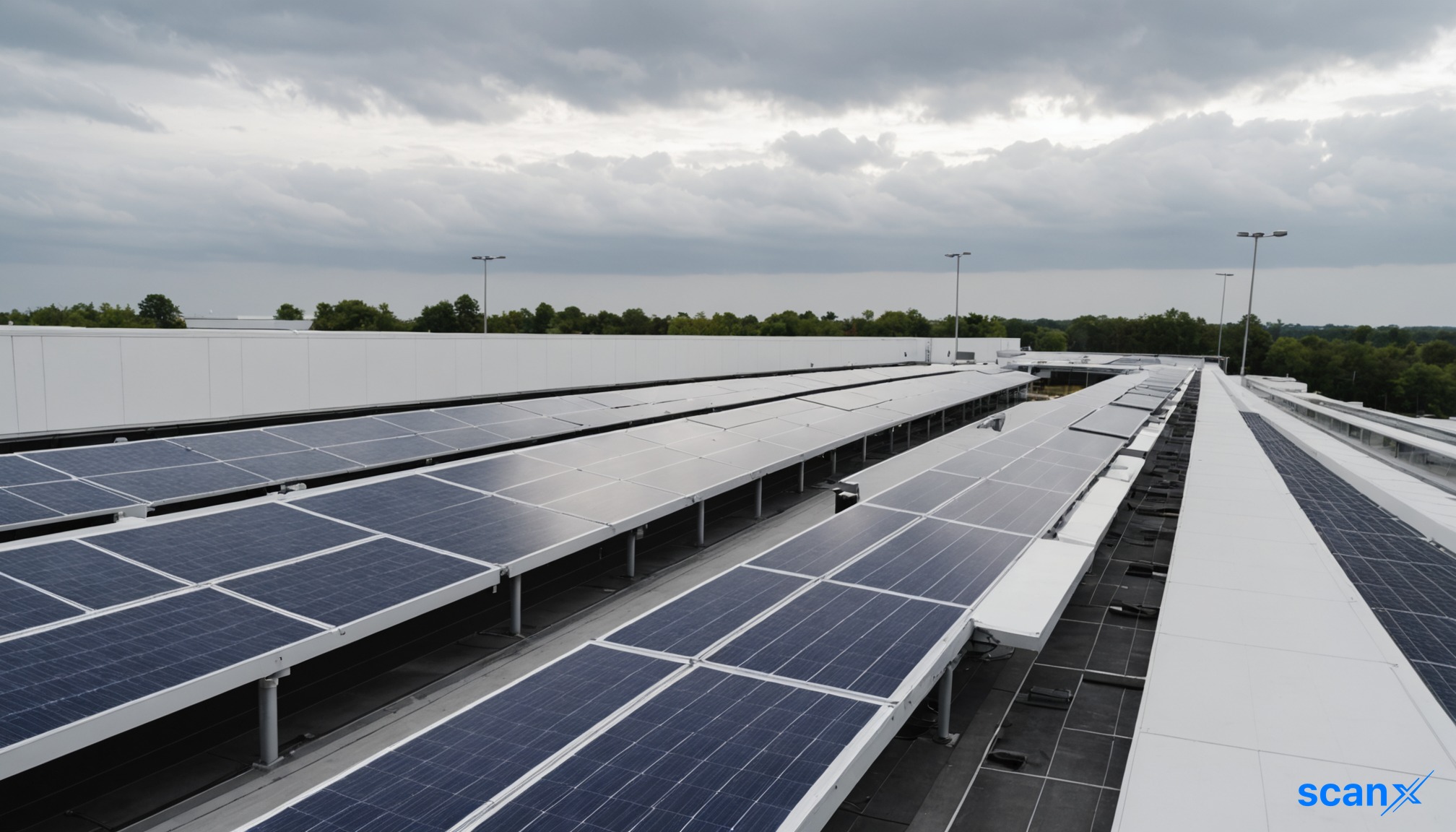

*this image is generated using AI for illustrative purposes only.
Aster DM Quality Care submitted its Business Responsibility and Sustainability Report (BRSR) for the financial year ending March 31, 2026. The filing, compliant with SEBI Listing Regulations, outlines the company's performance across environmental, social, and governance parameters for FY26.
Environmental Performance
The company reported total energy consumption of 2,95,545 Gigajoules in FY26, down from 3,12,194 Gigajoules in the prior year. Renewable energy consumption rose significantly to 22,623 MWh, up from over 12,000 MWh in FY25. This increase contributed to avoiding over 16,000 tCO2e of greenhouse gas emissions.
Greenhouse gas emissions data shows a reduction in intensity metrics:
| Metric | FY26 | FY25 |
|---|---|---|
| Scope 1 Emissions | 1,538 MTCO2e | 2,291 MTCO2e |
| Scope 2 Emissions | 37,920 MTCO2e | 45,510 MTCO2e |
| Emission Intensity per Turnover | 0.85 MTCO2e/million INR | 1.16 MTCO2e/million INR |
Water withdrawal remained stable at 11,09,609 kilolitres, compared to 11,20,747 kilolitres in FY25. The company achieved a 71% treated water reuse rate during the reporting period.
Social and Governance Metrics
The workforce totaled 22,405 employees, with women constituting 61.56% of the total headcount. The company conducted 14,555 free medical camps, benefiting over 12 lakh individuals. CSR interventions included providing free or subsidized surgeries worth ₹4.17 crore to 825 patients.
Governance disclosures indicate that 30% of Board seats are held by women. The company resolved 100% of reported whistleblowing cases. Customer complaints received stood at 25,165 in FY26, down from 29,138 in the previous year.
What the Numbers Show
Renewable energy integration accelerated markedly in FY26. Consumption jumped from roughly 12,000 MWh to 22,623 MWh, driven by new solar installations such as an 8.5 MW park in Kasargod. This operational shift directly correlates with the decline in Scope 1 emissions, which fell from 2,291 MTCO2e to 1,538 MTCO2e, indicating a tangible reduction in carbon intensity despite stable water and energy withdrawal volumes.
Historical Stock Returns for Aster DM Quality Care
| 1 Day | 5 Days | 1 Month | 6 Months | 1 Year | 5 Years |
|---|---|---|---|---|---|
| -1.22% | -0.41% | -9.03% | -1.27% | -3.46% | 0.0% |

How might Aster DM Quality Care's accelerated renewable energy adoption impact its long-term operational costs and competitive positioning in the healthcare sector?
What specific strategies is the company planning to implement to further reduce Scope 2 emissions, which remain significantly higher than Scope 1?
Could the high percentage of women in the workforce and on the board serve as a differentiator for attracting ESG-focused institutional investors in the near term?
 20
20












 Access 50+ Readymade Screeners
  Use 200+ Custom Filters
  Get Full Market Insights





