

Apple tests CXMT memory chips as AI demand tightens global supply


Apple Inc. is testing memory chips from ChangXin Memory Technologies (CXMT) to mitigate supply risks driven by AI demand. Analyst Ming-Chi Kuo warns that AI infrastructure could divert up to 20% of memory capacity from consumer electronics by 2027, potentially reducing Apple's A20 chip allocations by 10-20%. CXMT is currently prioritizing domestic clients like ByteDance and Tencent, with capacity expansion expected by 2028. Competitors like HP and Asus have also begun using CXMT chips.


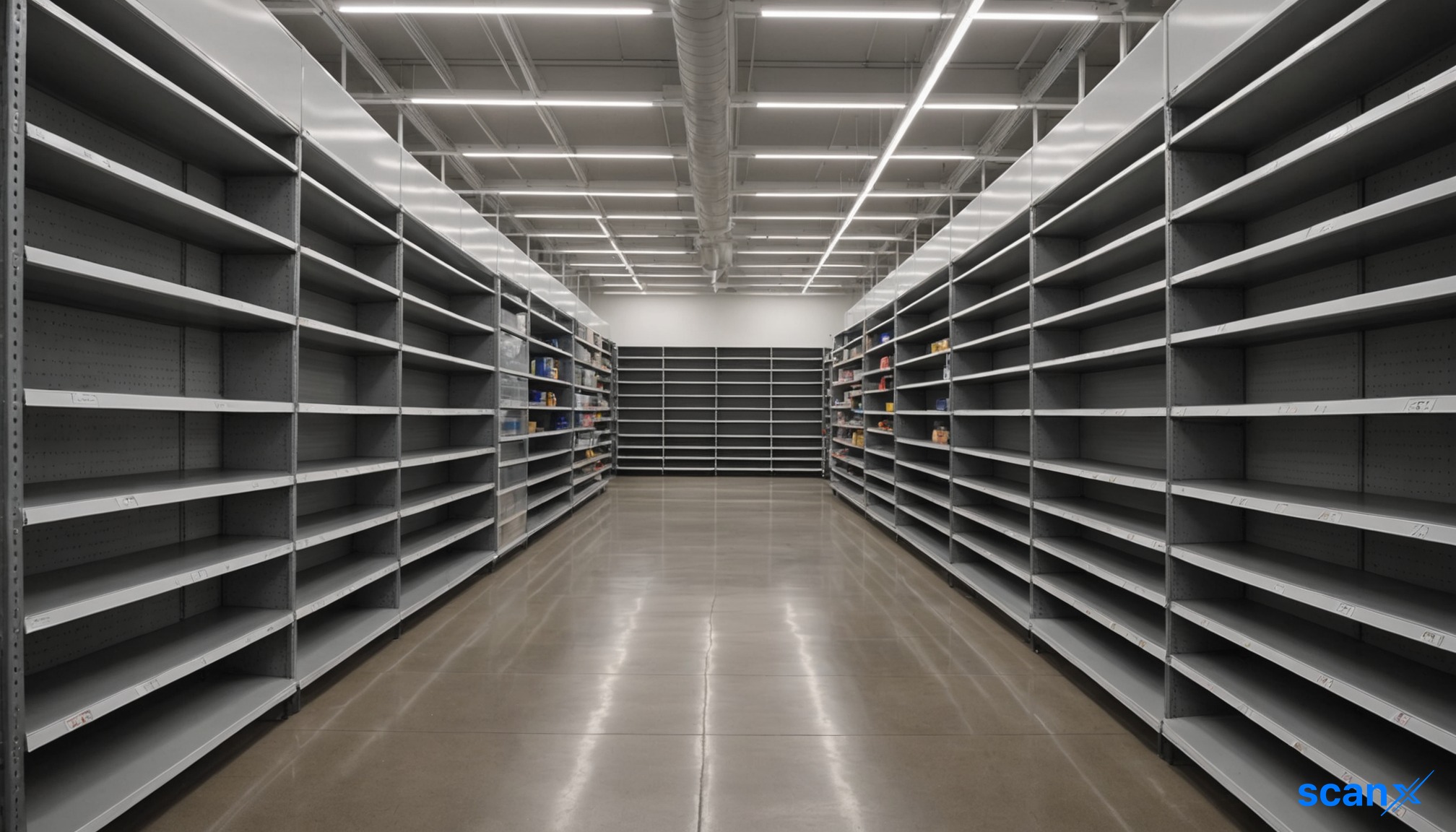
*this image is generated using AI for illustrative purposes only.
Apple Inc. is testing memory chips from ChangXin Memory Technologies (CXMT) for inclusion in iPhones and MacBooks, a strategic move designed to secure component supply as the artificial intelligence boom tightens global availability. The discussions, reported by the Wall Street Journal on Sunday, focus primarily on devices sold in China. This sourcing shift addresses a critical vulnerability in Apple’s supply chain, where surging demand from AI data centers threatens to constrain the memory components essential for its consumer electronics lineup.
The urgency stems from a structural shift in memory allocation. Analyst Ming-Chi Kuo stated that Apple’s interest in CXMT is driven by supply security rather than cost reduction. Kuo projects that AI infrastructure demand will widen the memory shortage through 2027, potentially shifting as much as 20% of total memory capacity away from consumer electronics. Consequently, Apple faces the risk of receiving 10% to 20% fewer A20 chips between the second half of 2026 and the first quarter of 2027 due to tight LPDDR memory supplies.
Despite these efforts, CXMT may offer limited immediate relief. The Chinese chipmaker has maxed out its production capacity for this year, leaving little room for new international customers. CXMT is currently prioritizing domestic tech giants such as ByteDance, Tencent Holdings Ltd., and Xiaomi Corporation as they expand their own AI businesses. New plants are expected to more than double CXMT’s production capacity by 2028, but near-term constraints remain significant.
Apple has already responded to broader supply pressures by raising prices on several products, including the MacBook Neo, MacBook Air, and iPad models. The company did not immediately respond to requests for comment regarding the specific testing of CXMT components. Meanwhile, competitors such as HP Inc., Asus, and Acer have reportedly begun using CXMT memory chips in devices sold outside the U.S. to address similar supply shortages.
What the Numbers Show
The divergence between AI infrastructure growth and consumer electronics supply highlights a critical bottleneck. With AI data centers driving surging demand, the available pool for consumer devices is shrinking. Kuo’s estimate that up to 20% of memory capacity will shift away from consumer electronics underscores the severity of the constraint. This structural reallocation forces manufacturers like Apple to diversify suppliers despite geopolitical sensitivities and current capacity limits at alternative vendors.
Geopolitical and Operational Context
CXMT’s rise occurs against a backdrop of heightened U.S.-China semiconductor tensions. The company relies on equipment from Dutch machinery maker ASML Holding NV, including deep ultraviolet lithography systems. Reuters previously reported that CXMT is considering a second memory-chip plant in Beijing and is expanding its production footprint. The potential integration of CXMT chips into Apple’s devices could draw scrutiny from Washington, where Chinese semiconductor companies face growing regulatory attention. Apple has previously faced criticism from U.S. lawmakers over plans to use Chinese-made memory chips.
| Company | Action | Context |
|---|---|---|
| Apple Inc. | Testing CXMT chips | Securing supply for iPhones/MacBooks in China |
| ChangXin Memory | Capacity maxed out | Prioritizing ByteDance, Tencent, Xiaomi |
| HP Inc., Asus, Acer | Using CXMT chips | Addressing DRAM shortages outside U.S. |
Apple closed at $313.33 on Friday, up 0.29%. Benzinga Edge ranks Apple in the 98th percentile for Quality, with the stock showing a positive price trend across short-, medium-, and long-term horizons.

How might U.S. regulatory scrutiny regarding Chinese semiconductor components impact Apple's ability to integrate CXMT chips into its global supply chain beyond China?
Given CXMT's current capacity constraints and prioritization of domestic clients, what alternative memory suppliers is Apple likely to engage to mitigate the projected 10-20% shortfall in A20 chip production?
Will the structural shift of 20% of memory capacity toward AI infrastructure necessitate permanent price increases for Apple's consumer electronics lineup through 2027?
 16
16






 Access 50+ Readymade Screeners
  Use 200+ Custom Filters
  Get Full Market Insights





