

Adani Power targets 42,050 MW capacity by 2047


Adani Power Limited has outlined a growth strategy to reach 42,050 MW capacity by 2047, supported by an 18,330 MW operating portfolio and a 23,720 MW locked-in pipeline. The company reported FY26 revenue of ₹54,241 crore and an EBITDA of ₹23,431 crore with a 40% margin, driven by operational excellence and high plant availability. Expansion plans are to be funded largely through internal accruals, with the existing fleet expected to generate ₹140k crore in FFO over the next seven years.



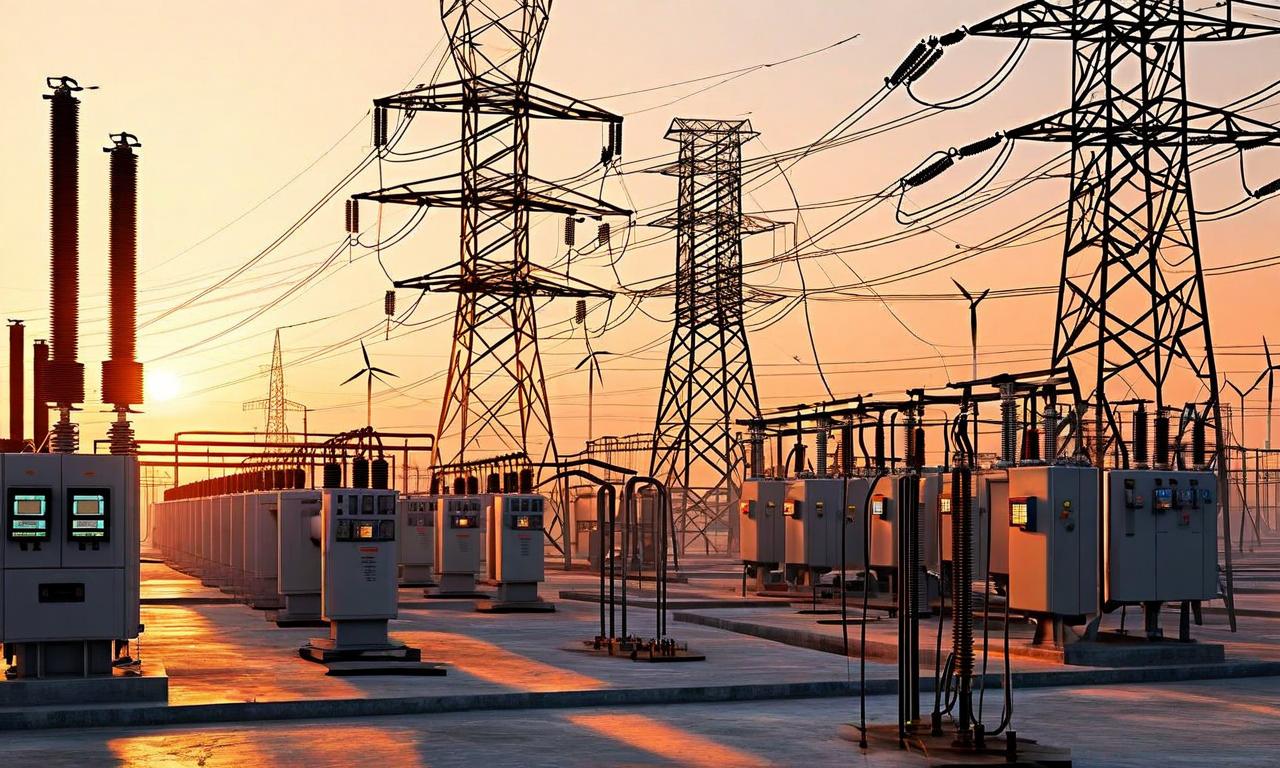
*this image is generated using AI for illustrative purposes only.
Adani Power Limited has detailed a growth strategy targeting a total capacity of 42,050 MW, supported by an existing operating portfolio of 18,330 MW and a locked-in project pipeline of 23,720 MW. The company, which operates as India’s largest private sector thermal power producer, highlighted its ability to fund expansion through internal accruals, citing strong cash flow generation and an effectively unlevered capital structure.
The company reported an EBITDA of ₹23,431 crore for FY26, resulting in an EBITDA margin of 40%. Revenue from operations for the same period stood at ₹54,241 crore. Adani Power attributes its profitability to operational excellence, maintaining consistent plant availability above 90%, and a diversified asset portfolio spread across eight states.
Capacity Expansion and Pipeline
Adani Power’s growth strategy relies on a mix of organic and inorganic expansion. The current operating capacity of 18,330 MW includes 10,840 MW of organically executed capacity and 7,450 MW of inorganic capacity acquired through the turnaround of stressed assets. The company has secured land and equipment for its upcoming projects, with 60% of the new capacity classified as brownfield, which is expected to enable faster execution.
| Capacity Category | MW |
|---|---|
| Current Operating Capacity | 18,330 |
| Locked-in Target Capacity | 23,720 |
| Total Target Capacity | 42,050 |
Financials and Funding
The company’s financials indicate a robust balance sheet with the ability to fund significant capital expenditure. Adani Power projects that its existing fleet will generate a total fund flow from operations (FFO) of ₹140k crore over the next seven years. This cash flow is expected to cover a large portion of the estimated ₹180k crore capex required for expansion, ensuring that the majority of funding comes from internal accruals.
| Financial Metric | FY26 Value |
|---|---|
| Revenue from Operations | ₹54,241 Cr |
| EBITDA | ₹23,431 Cr |
| Profit After Tax | ₹12,971 Cr |
| EBITDA Margin | 40% |
Strategic Advantages and Market Position
Adani Power emphasized its structural advantages, including access to abundant domestic coal reserves and long-term Power Purchase Agreements (PPAs) that secure revenue visibility. Approximately 95% of its 18.15 GW capacity is tied up under PPAs, providing stability against market volatility. The company also noted the critical role of base load power in India’s energy mix, projecting that the country will require an additional 100 GW of thermal capacity by 2035 to meet rising demand.
Historical Stock Returns for Adani Power
| 1 Day | 5 Days | 1 Month | 6 Months | 1 Year | 5 Years |
|---|---|---|---|---|---|
| +0.53% | -3.67% | -9.31% | +11.63% | +27.03% | +830.12% |

How will Adani Power bridge the projected ₹40k crore funding gap between internal accruals and the total capex requirement?
What specific risks does the company face regarding potential regulatory changes to long-term Power Purchase Agreements (PPAs)?
How might the increasing focus on renewable energy impact the demand for the additional 100 GW of thermal capacity projected by 2035?
 15
15













 Create Custom Screeners
  Access 200+ Pre-built Filters
  Use 50+ Readymade Screener





