

APSEZ invests $850 million in tech and decarbonisation by 2031


Adani Ports and Special Economic Zone Ltd has expanded its partnership with Kaleris to deploy an AI-augmented operating platform across 15 container terminals. The company plans to invest $850 million in technology and decarbonisation by 2031, including up to $100 million for automation. This initiative aims to unlock 91 MMT of additional capacity by 2030 and achieve one billion tonnes of cargo handling annually.

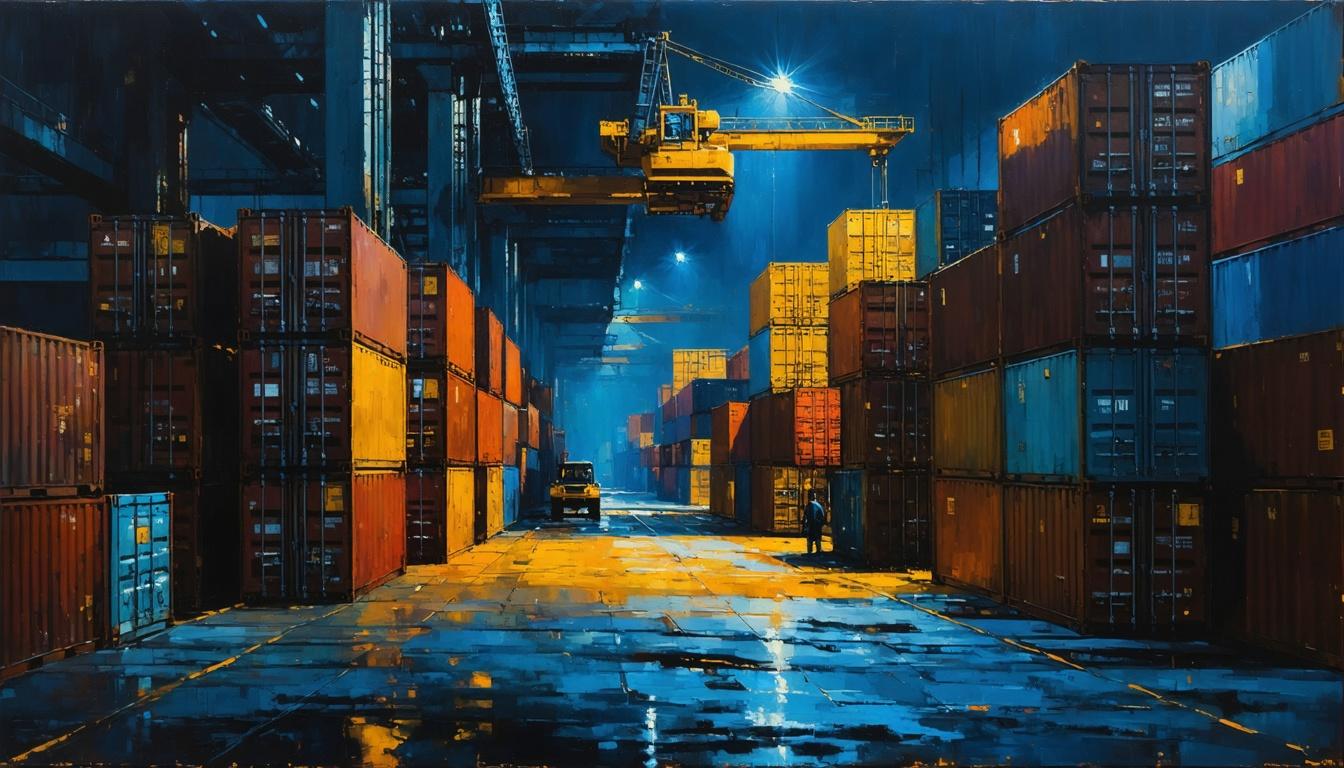

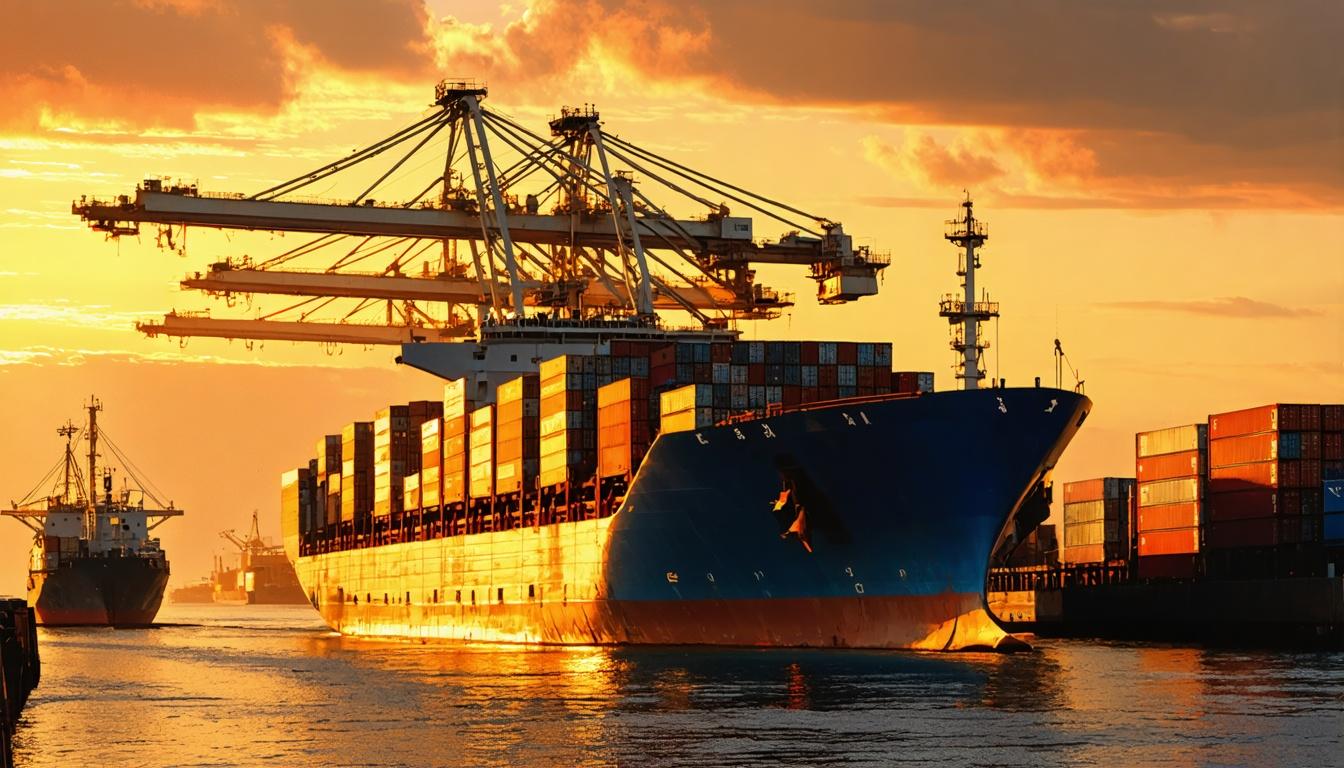
*this image is generated using AI for illustrative purposes only.
Adani Ports and Special Economic Zone Ltd has expanded its strategic partnership with US-based Kaleris to deploy an AI-augmented operating platform across a global network of 15 container terminals spanning nine ports. This multi-year agreement aims to enhance efficiency, consistency, and end-to-end visibility across the company's maritime and logistics network, supporting its ambition to handle one billion tonnes of cargo annually by 2030. The company plans to invest $850 million in technology and decarbonisation initiatives by 2031 to support these objectives.
Capacity Expansion and Investment Plan
Adani Ports expects to unlock 91 MMT of additional capacity, representing approximately 10% of its installed capacity, by 2030. To support this expansion and its broader sustainability goals, the company has committed to investing $850 million in technology and decarbonisation initiatives by 2031. Within this allocation, up to $100 million is designated specifically for automation and optimisation in two phases through the partnership with Kaleris.
Technology Integration and Efficiency Gains
The deployment of Kaleris' Advanced Optimization solutions is projected to deliver significant operational improvements. The company anticipates an up to 20% improvement in Rubber Tyred Gantry (RTG) crane productivity and an up to 14% improvement in terminal truck productivity. The integration will expand Kaleris’ N4 Terminal Operating System (TOS) across the network to improve yard utilisation, accelerate vessel turnaround, and enhance planning accuracy.
Strategic Objectives
The collaboration underscores Adani Ports' focus on leveraging artificial intelligence, the Internet of Things (IoT), and computer vision to enable real-time visibility and smarter resource allocation. With a current cargo handling capacity of 653 million tonnes per annum, the company commands approximately 27% of India's total port volumes. The following table summarizes the key parameters of the investment and capacity plan:
| Parameter | Details |
|---|---|
| Extra Capacity Target | 91 MMT |
| Capacity as % of Total | ~10% |
| Target Year for Capacity | 2030 |
| Total Tech & Decarbonization Investment | $850 Million |
| Automation Allocation | Up to $100 Million |
| Investment Timeline | By 2031 |
| Key Partner | Kaleris |
Historical Stock Returns for Adani Ports & SEZ
| 1 Day | 5 Days | 1 Month | 6 Months | 1 Year | 5 Years |
|---|---|---|---|---|---|
| -0.91% | -1.40% | +4.36% | +35.76% | +26.97% | +141.50% |

How will the integration of AI and IoT technologies impact Adani Ports' competitive positioning against other global container terminal operators?
What specific decarbonisation technologies will be prioritized with the remaining $750 million of the investment allocation?
How will the efficiency gains from the Kaleris platform influence Adani Ports' pricing strategy and margins in the near term?
 18
18








 Create Custom Screeners
  Access 200+ Pre-built Filters
  Use 50+ Readymade Screener





