

Adani Ports Achieves 500.8 MMT Cargo Milestone in FY26 With Record March Performance


Adani Ports & SEZ crossed the significant milestone of 500.8 million tonnes of cargo handled in FY26, representing 11% year-on-year growth. The achievement was supported by record March 2026 performance of 46 million tonnes and strong container handling growth of 19% YoY, positioning the company well toward its 2030 target of 1 billion tonnes.

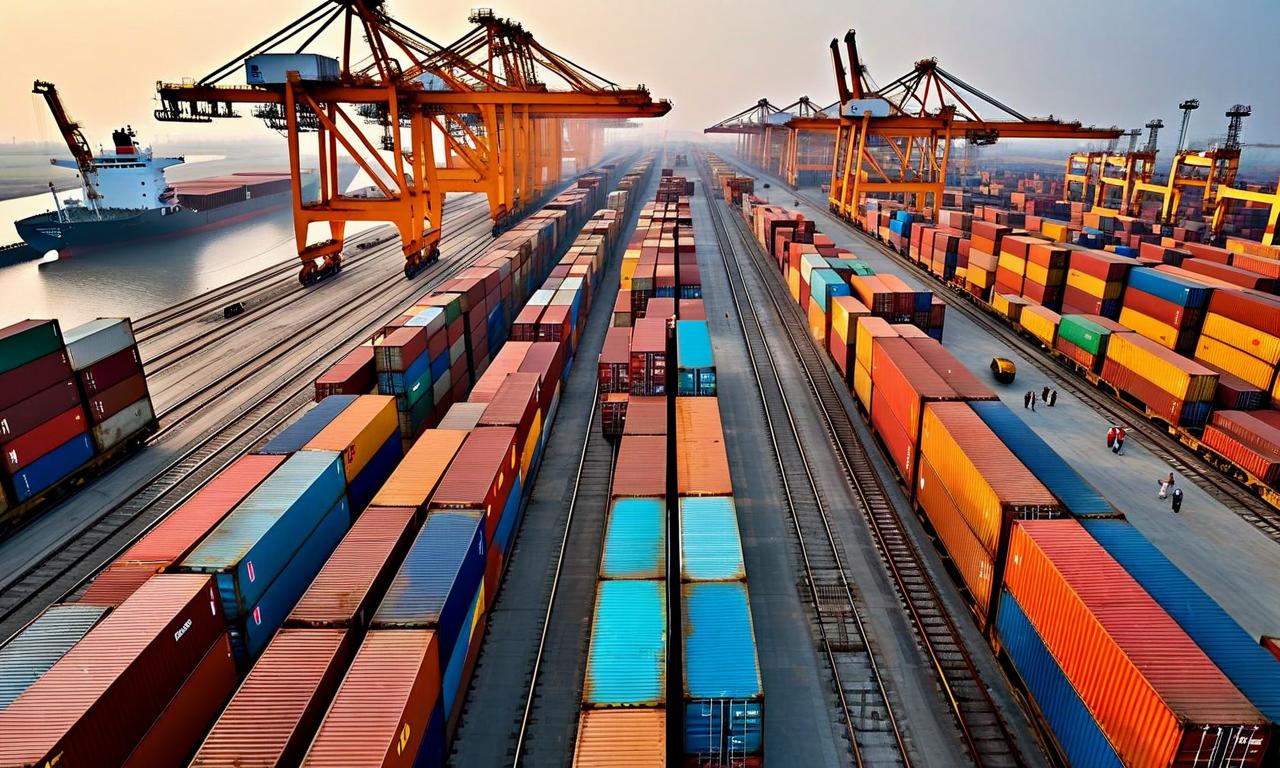

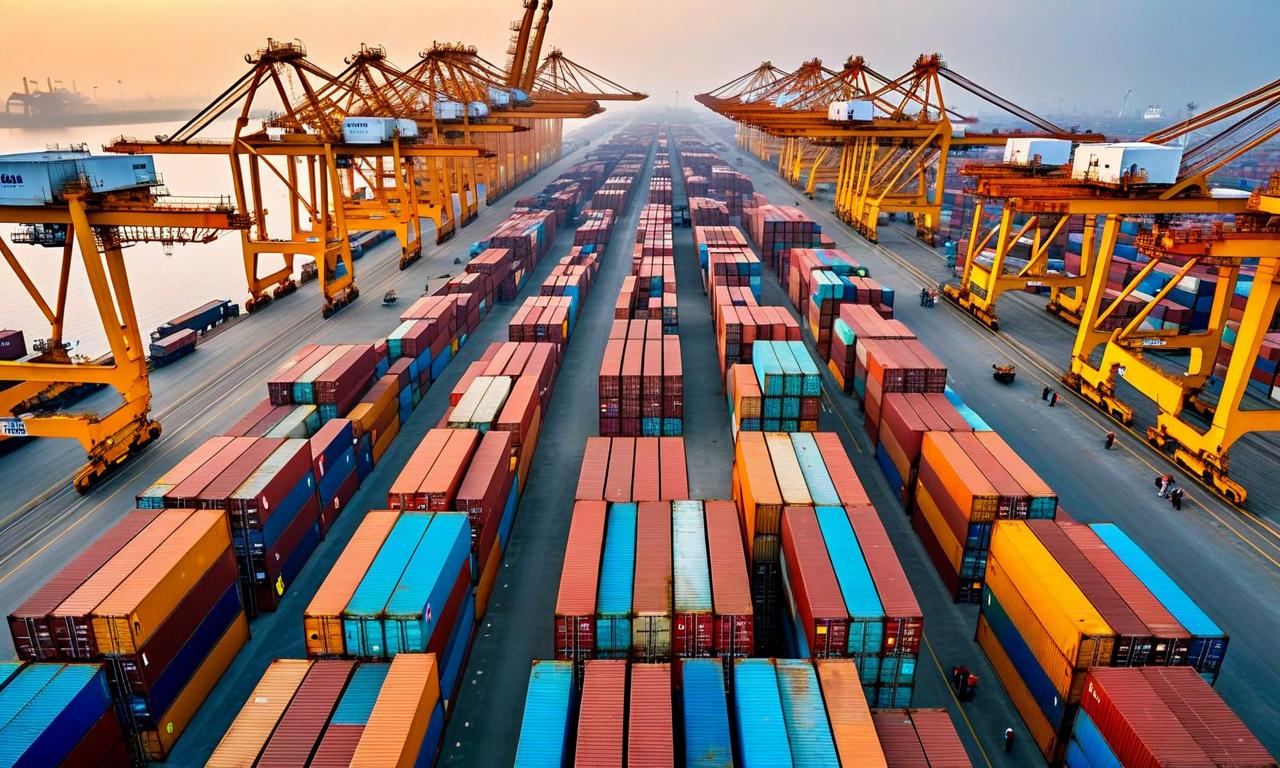
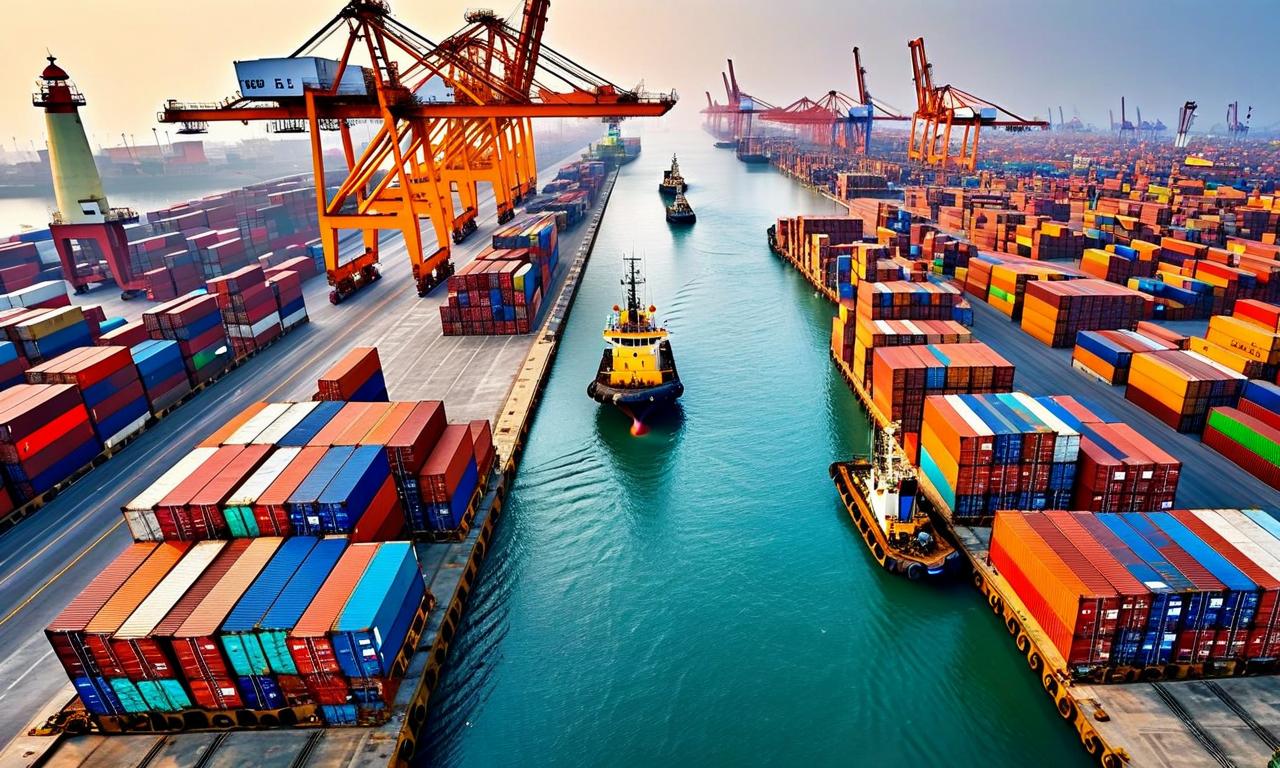
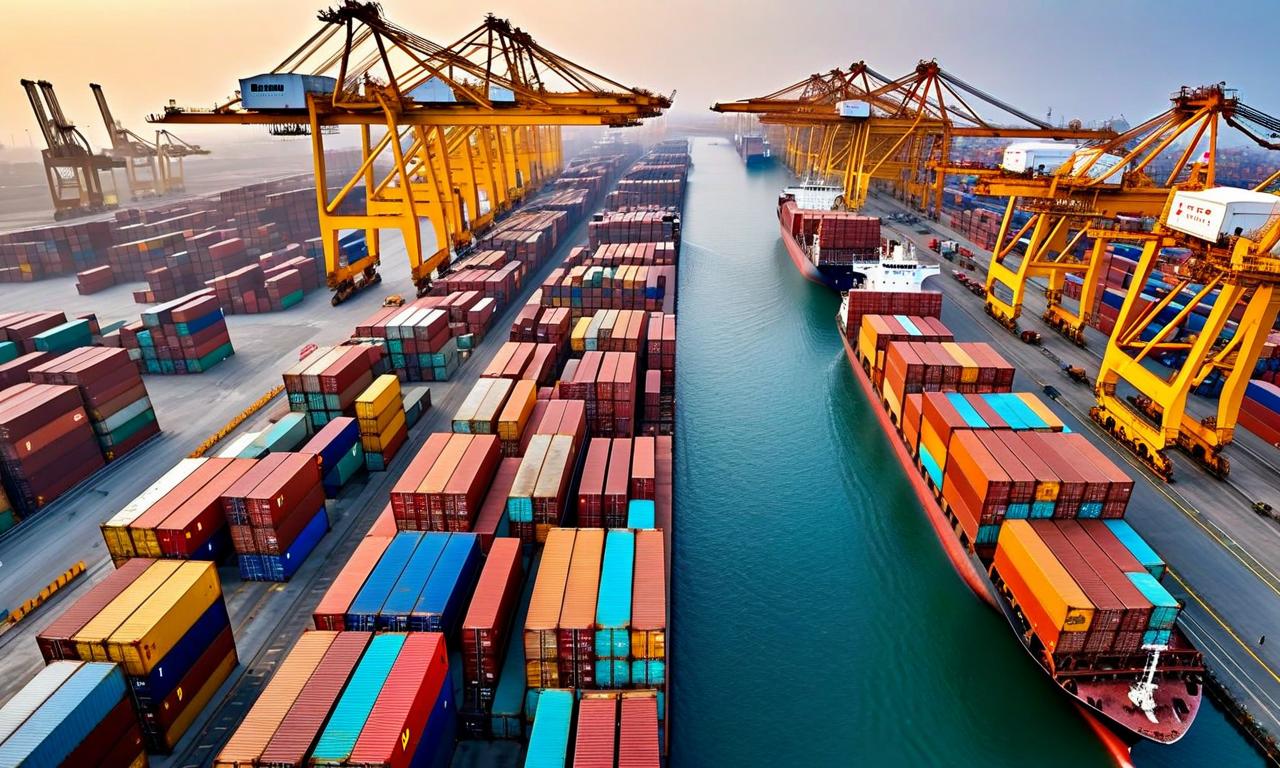
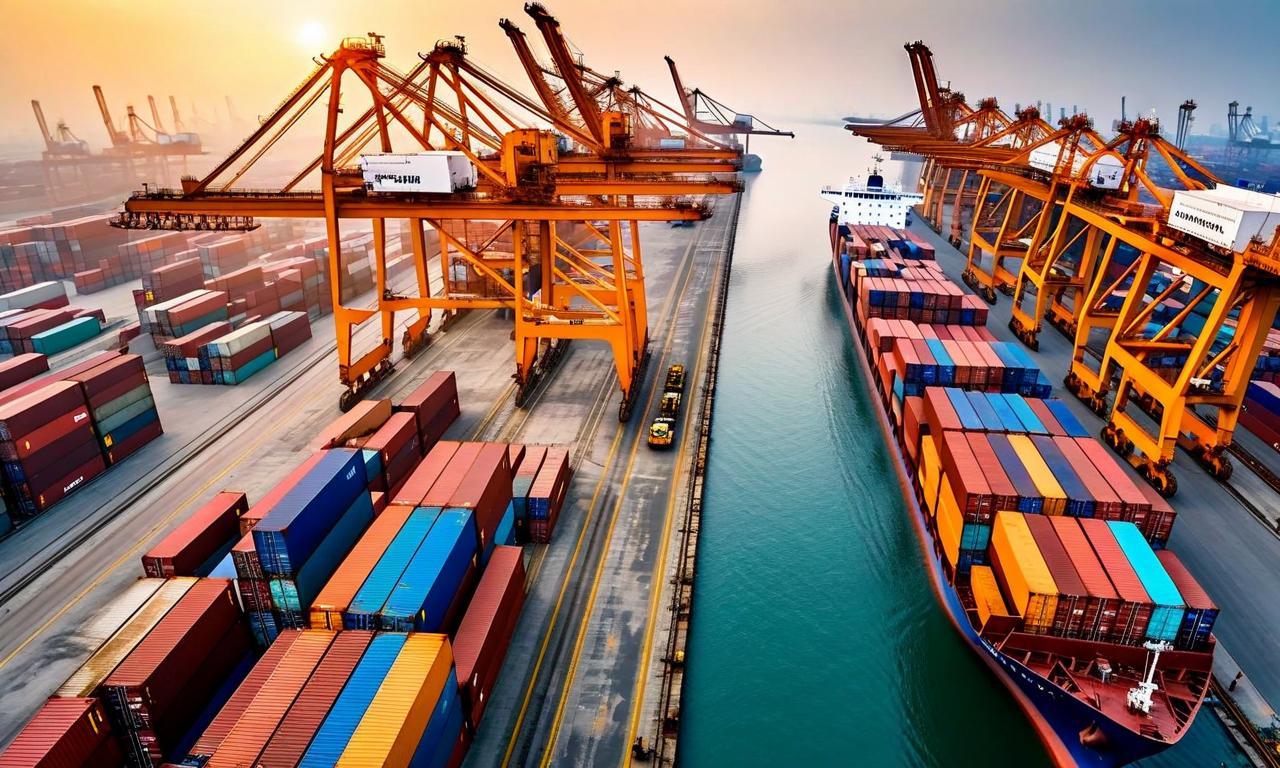
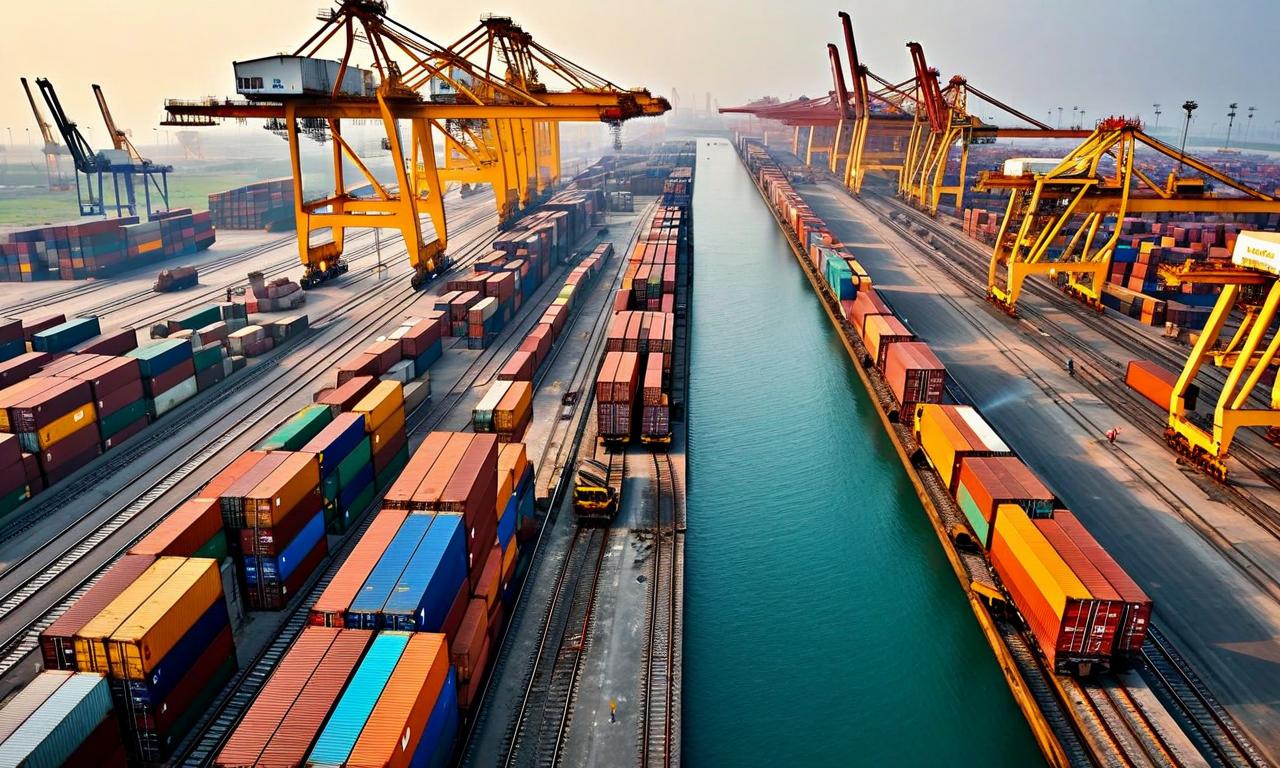
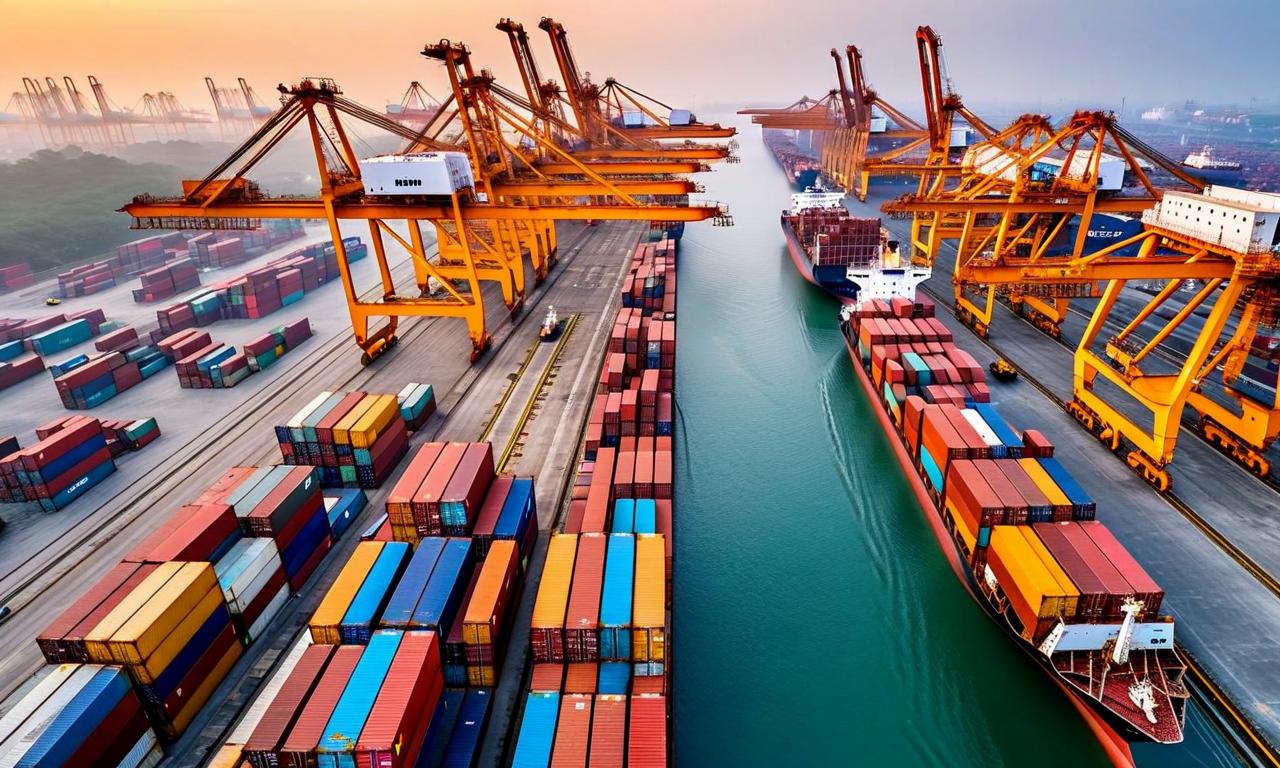
*this image is generated using AI for illustrative purposes only.
Adani Ports & SEZ has officially announced crossing the landmark milestone of 500.8 million tonnes of cargo handled in FY26, marking a defining moment in the company's evolution and India's infrastructure-led transformation. The achievement was highlighted by a record 46 million tonnes handled in March 2026, demonstrating exceptional operational momentum with 11% year-on-year growth.
FY26 Milestone Achievement
According to the company's regulatory filing dated April 2, 2026, APSEZ handled 500.8 million tonnes of cargo in FY26, representing an 11% increase year-on-year. The milestone was reached with strong performance metrics, including 19% higher container handling volumes, reinforcing APSEZ's position as a critical enabler of India's trade and industrial growth.
| FY26 Performance Highlights: | Details |
|---|---|
| Total Cargo Handled: | 500.8 Million Tonnes (+11% YoY) |
| March 2026 Volume: | 46 Million Tonnes (+11% YoY) |
| Container Growth (FY26): | +19% YoY |
| Container Growth (March): | +14% YoY |
| Network Size: | 19 Ports and Terminals |
| Current Capacity: | 633 Million Tonnes Per Annum |
| Market Share: | 28% of India's Total Port Volumes |
Key Operational Highlights
The company's operational performance update revealed several significant achievements. CWIT (Container and Warehouse Infrastructure Terminal) handled 1.06 million TEUs in FY26, surpassing the 1 million TEU milestone during its first year of operations. The terminal achieved its highest ever monthly volume at 134,960 TEUs in March 2026.
Haifa port has become operational and delivered 0.77 million tonnes in March 2026, compared to 0.59 million tonnes in February 2026, showing consistent growth trajectory.
| Operational Performance: | March 2026 | FY26 | Growth |
|---|---|---|---|
| Logistics Rail Volume: | 55,237 TEUs | 695,517 TEUs | +8% YoY (FY26) |
| GPWIS Volume: | 2.0 MMT | 21.7 MMT | -1% YoY (FY26) |
| CWIT Monthly Record: | 134,960 TEUs | 1.06 MTEU | First year milestone |
| Haifa Port: | 0.77 MMT | - | Operational |
Leadership Vision and Strategic Direction
Mr. Gautam Adani, Chairman of Adani Group, emphasized the significance of this achievement, stating that "Ports are not merely gateways for trade, they are gateways to national confidence, competitiveness and destiny." He expressed gratitude to customers, partners, and the APSEZ team whose dedication made this milestone possible.
Adani highlighted that crossing 500 million tonnes signals decades-long confidence in the India growth story, noting that APSEZ has built not just ports, but an unparalleled interconnected transport and logistics platform spanning ports, rail, roads, trucking, warehouses, and cargo gateways.
Accelerating Growth Trajectory
The journey to 500 million tonnes demonstrates compounding scale and execution efficiency. While APSEZ took 16 years to reach its first 100 million tonnes, each subsequent 100 million tonnes has been added faster than the last, reflecting increasing scale, efficiency, resilience and strategic depth of its platform.
| Growth Strategy: | Information |
|---|---|
| Target by 2030: | 1 Billion Tonnes |
| Ports in India: | 15 Across 11,000 km Coastline |
| International Ports: | 4 on East-West Global Corridor |
| Hinterland Coverage: | 95% of India |
With this milestone achievement in FY26, APSEZ remains firmly positioned toward its ambitious goal of handling 1 billion tonnes of cargo by 2030, reinforcing its commitment to building world-class infrastructure and maintaining operational excellence.
Historical Stock Returns for Adani Ports & SEZ
| 1 Day | 5 Days | 1 Month | 6 Months | 1 Year | 5 Years |
|---|---|---|---|---|---|
| -3.36% | -3.85% | +1.77% | +32.39% | +23.82% | +135.51% |

How will Adani Ports' expansion strategy evolve to double capacity from 500 million to 1 billion tonnes by 2030?
What impact could this milestone have on India's competitive position against other major Asian port hubs like Singapore and Dubai?
How might increased cargo volumes affect Adani's pricing power and profit margins in negotiations with shipping lines?
 17
17





 Access 50+ Readymade Screeners
  Use 200+ Custom Filters
  Get Full Market Insights





