

APSEZ Operationalizes India's First Port of Refuge with Global Partners


Adani Ports & SEZ has operationalized India's first Port of Refuge, establishing a structured maritime emergency response framework through strategic partnerships with SMIT Salvage and MERC. The initiative designates Dighi and Gopalpur ports as refuge facilities, providing comprehensive emergency services including salvage, firefighting, and pollution containment to enhance India's maritime safety infrastructure along critical shipping corridors.

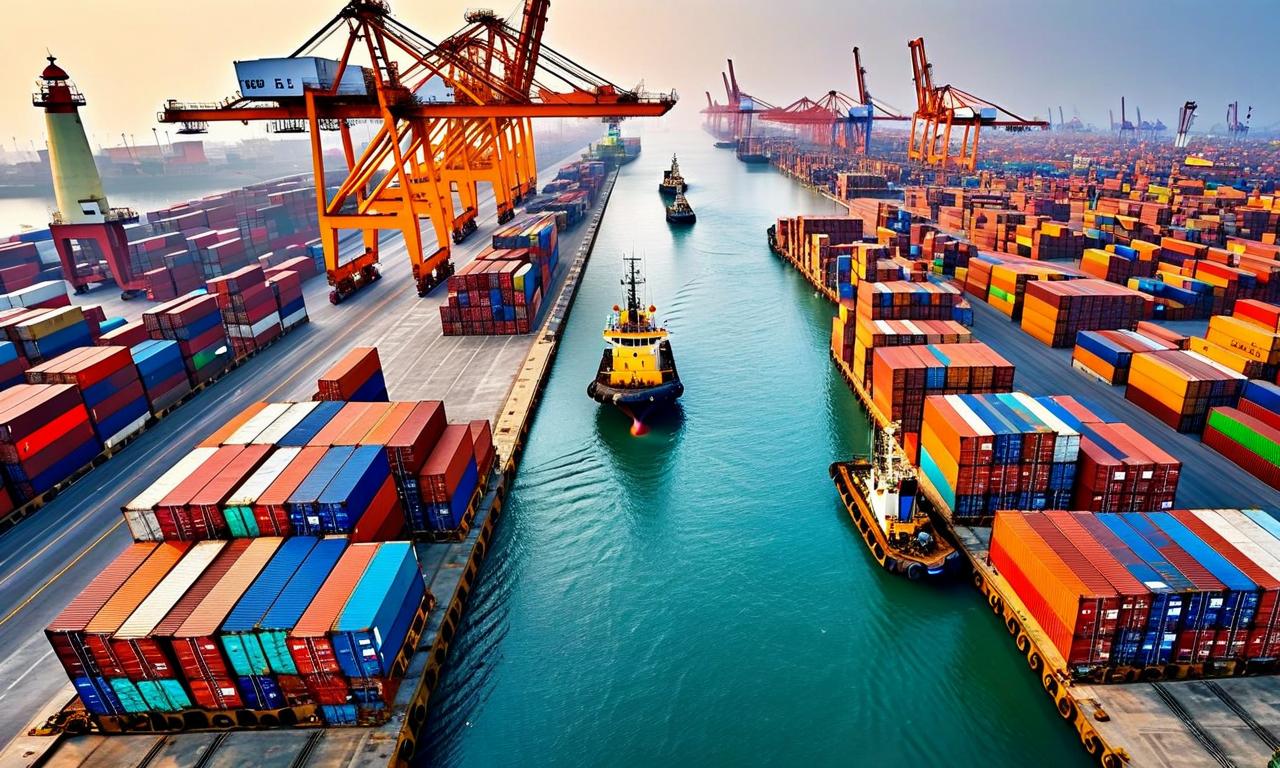

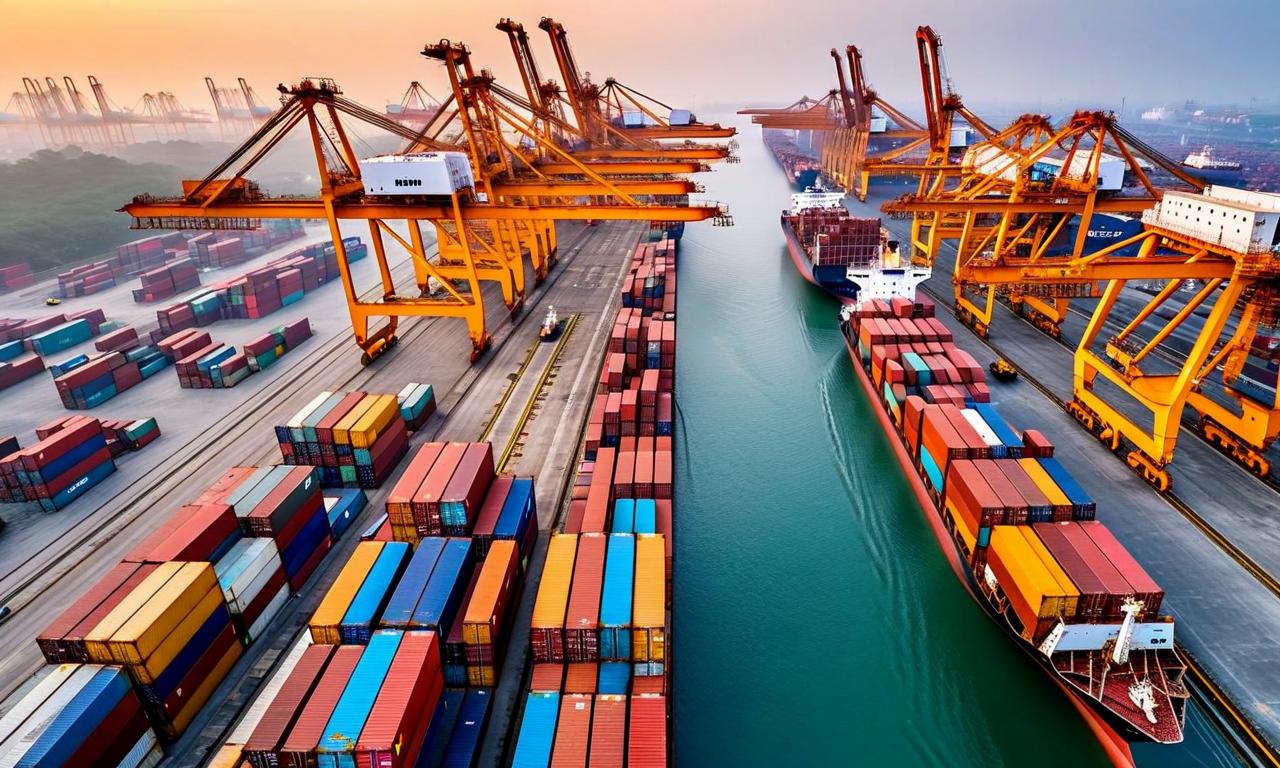
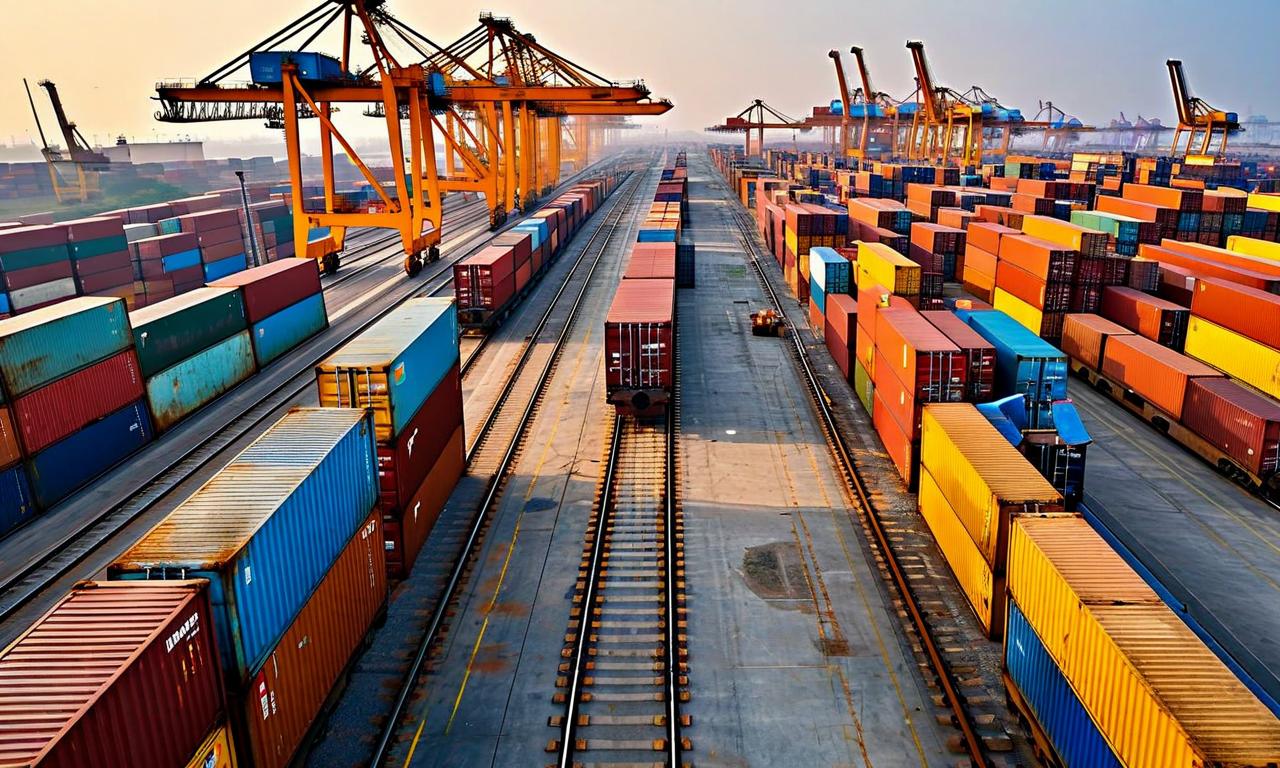
*this image is generated using AI for illustrative purposes only.
Adani Ports & SEZ (APSEZ) has operationalized India's first Port of Refuge (PoR), addressing a long-standing gap in maritime emergency infrastructure and creating a structured mechanism to handle maritime emergencies and vessels in distress.
Strategic Partnership and Implementation
The initiative is backed by a tripartite memorandum of understanding with SMIT Salvage, the salvage and emergency response division of Royal Boskalis Westminster NV, and the Maritime Emergency Response Centre (MERC). This collaboration brings global expertise and coordinated response capability to India's maritime safety framework.
| Partnership Details: | Specifications |
|---|---|
| Lead Company: | APSEZ |
| Global Partner: | SMIT Salvage (Boskalis) |
| Local Partner: | Maritime Emergency Response Centre |
| Coverage: | International Group P&I Clubs |
Designated Port Locations
APSEZ will designate two strategic sites as Port of Refuge facilities. Dighi Port on the west coast will support traffic across the Arabian Sea and routes to the Persian Gulf, while Gopalpur Port on the east coast will serve vessels in the Bay of Bengal and routes towards the Malacca Strait, one of the world's busiest maritime trade corridors.
| Port Facilities: | Coverage Area |
|---|---|
| Dighi Port: | Arabian Sea, Persian Gulf Routes |
| Gopalpur Port: | Bay of Bengal, Malacca Strait |
| Services: | Salvage, Firefighting, Pollution Control |
| Equipment: | Specialized Emergency Response |
Leadership Perspectives
"This milestone marks a significant step in strengthening India's maritime safety ecosystem," said Ashwani Gupta, Whole-time Director and CEO of APSEZ. "Ports connect economies—but a Port of Refuge protects lives. By establishing dedicated PoR infrastructure, we are elevating India's maritime preparedness and setting a new benchmark for world-class coastal safety."
Shyam Jagannathan, Director General of Shipping, emphasized the initiative's importance in strengthening maritime preparedness and emergency response capacity. Richard Janssen, Managing Director of SMIT Salvage, highlighted the collaboration's role in bringing global best-in-class salvage capability to ensure faster, safer, and coordinated emergency response along India's key shipping routes.
Maritime Safety Enhancement
As defined by the International Maritime Organization, a Port of Refuge is a designated location where ships can seek shelter to stabilize conditions, protect life and limit environmental damage. The facilities will provide salvage and wreck removal, firefighting, pollution containment and emergency coordination services through specialized equipment and trained response teams.
This development positions India at the forefront of maritime safety innovation, aligning with international maritime conventions and enhancing the country's role in global shipping corridors. With India's coastline spanning over 11,000 kilometers and its strategic location along key global shipping routes, this initiative significantly strengthens the nation's emergency response capabilities.
Historical Stock Returns for Adani Ports & SEZ
| 1 Day | 5 Days | 1 Month | 6 Months | 1 Year | 5 Years |
|---|---|---|---|---|---|
| -3.36% | -3.85% | +1.77% | +32.39% | +23.82% | +135.51% |

How might this Port of Refuge initiative impact APSEZ's competitive positioning and revenue streams in India's port sector?
Will other major Indian port operators like JSW Infrastructure or Mundra Port follow suit with similar emergency response facilities?
What regulatory framework changes might the Indian government implement to standardize Port of Refuge operations across all major ports?
 20
20






 Create Custom Screeners
  Access 200+ Pre-built Filters
  Use 50+ Readymade Screener





