

374Water completes Phase 1 of St. Cloud pilot with Phase 2 underway


374Water Inc. completed Phase 1 of its St. Cloud pilot, processing Class B biosolids, and began Phase 2 targeting Class A Lystek biosolids. The $600,000 contract with the City of St. Cloud runs through mid-September 2026. The company estimates each mobile unit could generate $500,000 to $1.5 million in annual revenue.



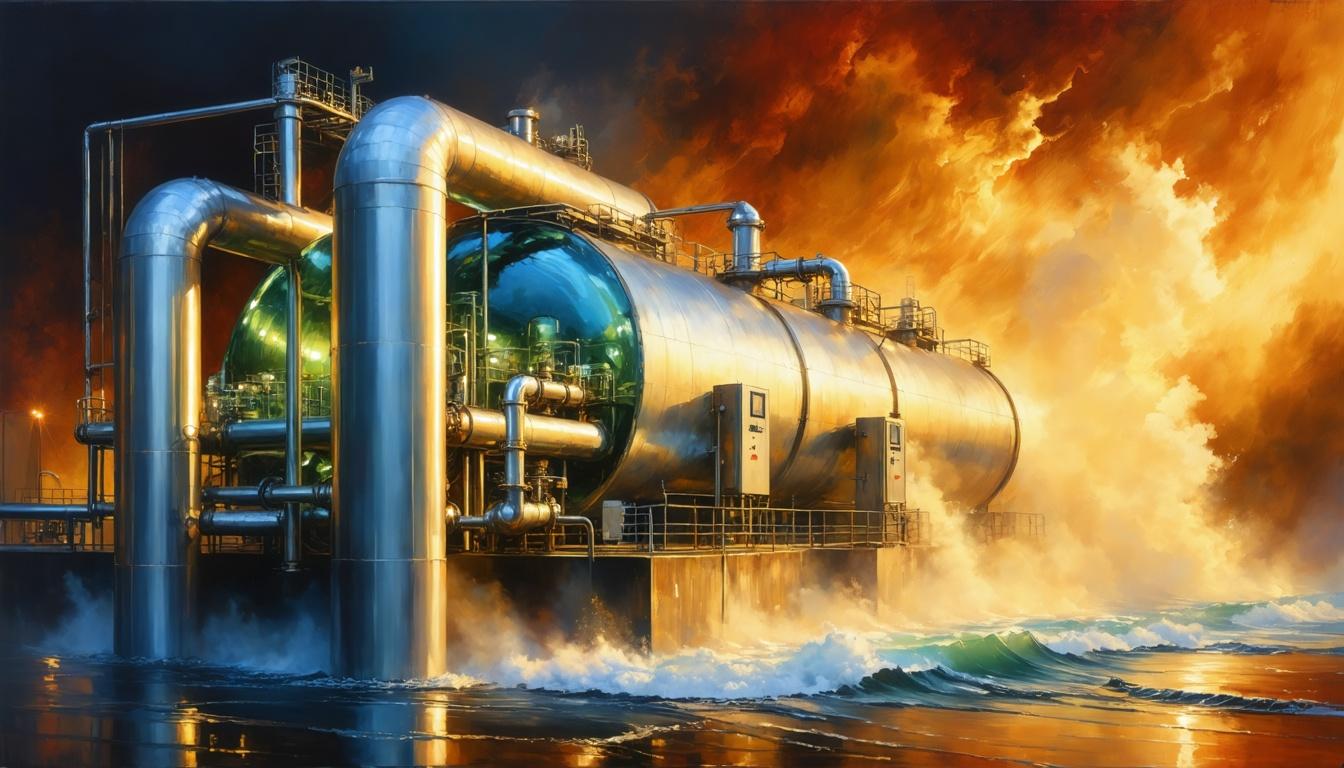
*this image is generated using AI for illustrative purposes only.
374Water Inc. has successfully completed Phase 1 of its mobile AirSCWO system deployment in St. Cloud, Minnesota, and has initiated Phase 2 of the project. The company is processing biosolids under a $600,000 Waste Destruction Services contract with the City of St. Cloud, in partnership with Barr Engineering. The pilot program is scheduled to run through mid-September 2026 and targets the destruction of PFAS-laden wastes as part of an evaluation supported by the State of Minnesota's LCCMR.
Project Details and Phase 1 Results
The deployment is taking place at the City's Nutrient, Energy, and Water Recovery Facility, a site known for its innovative resource recovery practices. During Phase 1, the mobile AirSCWO system processed Class B biosolids at solids concentrations of up to 10% over a four-week period. The company reported that performance data from this phase shows positive early results consistent with previous AirSCWO campaigns, validating the technology.
Phase 2 Operations and Commercial Outlook
Building on the initial success, the field team is now one week into Phase 2, which involves processing Class A Lystek biosolids. Operations have been steady with no major challenges encountered to date. A successful pilot is expected to support Minnesota's broader assessment of AirSCWO for permanent PFAS destruction. 374Water estimates that a single mobile AirSCWO system has the potential to generate between $500,000 and $1.5 million in annual revenue per unit, depending on deployment cadence, waste stream composition, and contract structure.
| Metric | Details |
|---|---|
| Contract Value | $600,000 |
| Phase 1 Target | Class B biosolids (up to 10% solids) |
| Phase 2 Target | Class A Lystek biosolids |
| Program End Date | Mid-September 2026 |
| Estimated Annual Revenue per Unit | $500,000 – $1.5 million |
Future Deployments
Beyond the current project, 374Water is actively developing additional projects to demonstrate the commercial capabilities of the AirSCWO system in a mobile configuration. The company indicated strong interest across multiple end markets. Brad Meyers, Chief Operating Officer of 374Water, stated that the deployment validates the reliability of the technology and the commercial model, noting that demand for mobile AirSCWO services is growing.

What are the key performance indicators that will determine if the pilot leads to a permanent installation in Minnesota?
How will the results from processing Class A Lystek biosolids in Phase 2 influence the company's pricing strategy for future contracts?
What specific end markets are showing the strongest demand for mobile AirSCWO services beyond municipal wastewater?
 16
16





 Create Custom Screeners
  Access 200+ Pre-built Filters
  Use 50+ Readymade Screener





