

Warren cites Trump oil gains amid rising pump prices


- Trump's nine largest oil and gas holdings gained an estimated $1.5 million to $4.4 million during the Iran war period.
- National average gasoline prices rose to $4.4750 per gallon, up from $3.1843 a year ago.
- U.S. annual inflation held at 3.4% in August, with gasoline driving over a third of the monthly increase.
- Warren renewed calls to ban the president, vice president, and Congress from owning or trading stocks.


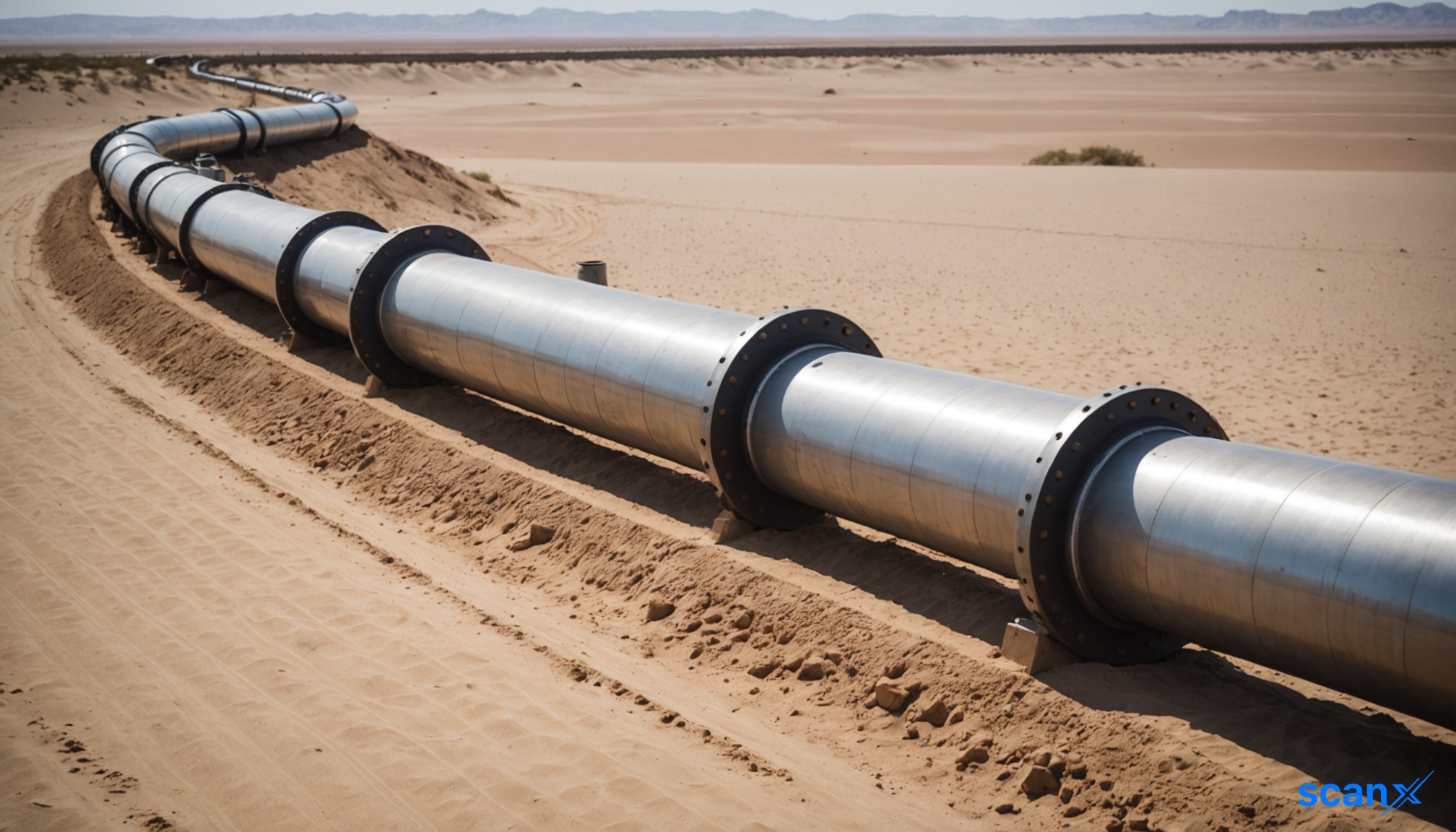
*this image is generated using AI for illustrative purposes only.
Sen. Elizabeth Warren accused President Donald Trump of profiting from his oil and gas holdings during the Iran war, even as Americans paid more at the pump. She stated that Trump’s nine largest energy positions gained an estimated $1.5 million to $4.4 million between the eve of the conflict and the end of August.
Warren renewed her calls to ban the president, Vice President JD Vance, and Congress from owning or trading equities. Her criticism highlights a divergence between executive portfolio performance and consumer cost pressures during the geopolitical crisis.
Disclosure reveals active energy trading
Trump’s latest financial disclosure shows extensive trading activity in energy stocks throughout July. The filings indicate sales of Chevron Corp (NYSE: CVX), ConocoPhillips (NYSE: COP), and Halliburton Co (NYSE: HAL), with each transaction valued between $15,001 and $50,000.
The president also bought and sold smaller positions in several other major energy firms. These trades were part of thousands of transactions spanning nearly every sector of the market.
- EQT Corp (NYSE: EQT)
- ExxonMobil Holdings Corp (NYSE: XOM)
- Devon Energy Corp (NYSE: DVN)
- SLB Ltd (NYSE: SLB)
- Kinder Morgan Inc (NYSE: KMI)
- Baker Hughes Co (NASDAQ: BKR)
Fuel costs climb alongside inflation
National average gasoline prices stood at $4.4750 per gallon as of Tuesday, according to AAA. This represents an increase from $4.1024 a month ago and $3.1843 a year ago. Diesel prices rose to $6.5276 per gallon, up from $5.5947 a month ago and $3.6880 a year ago.
U.S. annual inflation held at 3.4% in August. Gasoline accounted for over a third of the monthly increase in the consumer price index.
| Metric | Current Value | One Month Ago | One Year Ago |
|---|---|---|---|
| Gasoline (per gallon) | $4.4750 | $4.1024 | $3.1843 |
| Diesel (per gallon) | $6.5276 | $5.5947 | $3.6880 |
| WTI Crude Futures | $90.18 | N/A | N/A |
| Brent Crude Futures | $99.12 | N/A | N/A |
At the time of writing, West Texas Intermediate crude futures were down 0.38% at $90.18 as flows through the Strait of Hormuz edged back toward pre-war levels. Brent Crude was up 0.59% at $99.12.
What the numbers show
A clear divergence exists between asset appreciation and consumer burden. While Trump’s specific oil and gas holdings increased in value by up to $4.4 million, national gasoline prices rose approximately 40.5% year-over-year (from $3.1843 to $4.4750). This data point underscores the political friction cited by Warren: the administration's financial interests aligned with market movements that simultaneously exacerbated household inflationary pressures.
Iran’s Foreign Ministry pushed back on U.S. officials blaming Tehran for the price spikes. Spokesperson Esmaeil Baqaei accused Washington of forgetting who initiated the war of aggression, likening the tactic to historical justifications for invasion.

How might the proposed ban on congressional and executive equity trading impact the political viability of future energy policy legislation?
Will sustained WTI crude prices near $90 continue to drive core inflation above the Federal Reserve's target, potentially delaying anticipated interest rate cuts?
What specific legislative mechanisms are being debated to enforce conflict-of-interest restrictions on presidential assets during active geopolitical conflicts?
 16
16





 Create Custom Screeners
  Access 200+ Pre-built Filters
  Use 50+ Readymade Screener





