

Oil touches $105 as Iran war disrupts supply, JPMorgan drops model


- Crude oil touched above $105 a barrel, up from a recent low of $68, amid Iran war disruptions
- Saudi Arabia shut its 7 million barrel-a-day pipeline, reducing Strait of Hormuz transits to low teens
- Wholesale diesel prices averaged $161 a barrel, 59% above pre-war expectations
- JPMorgan abandoned its baseline model, citing inability to price the conflict endgame
- Wood Mackenzie sees potential for 50% larger global EV fleet by 2040 due to high fuel costs

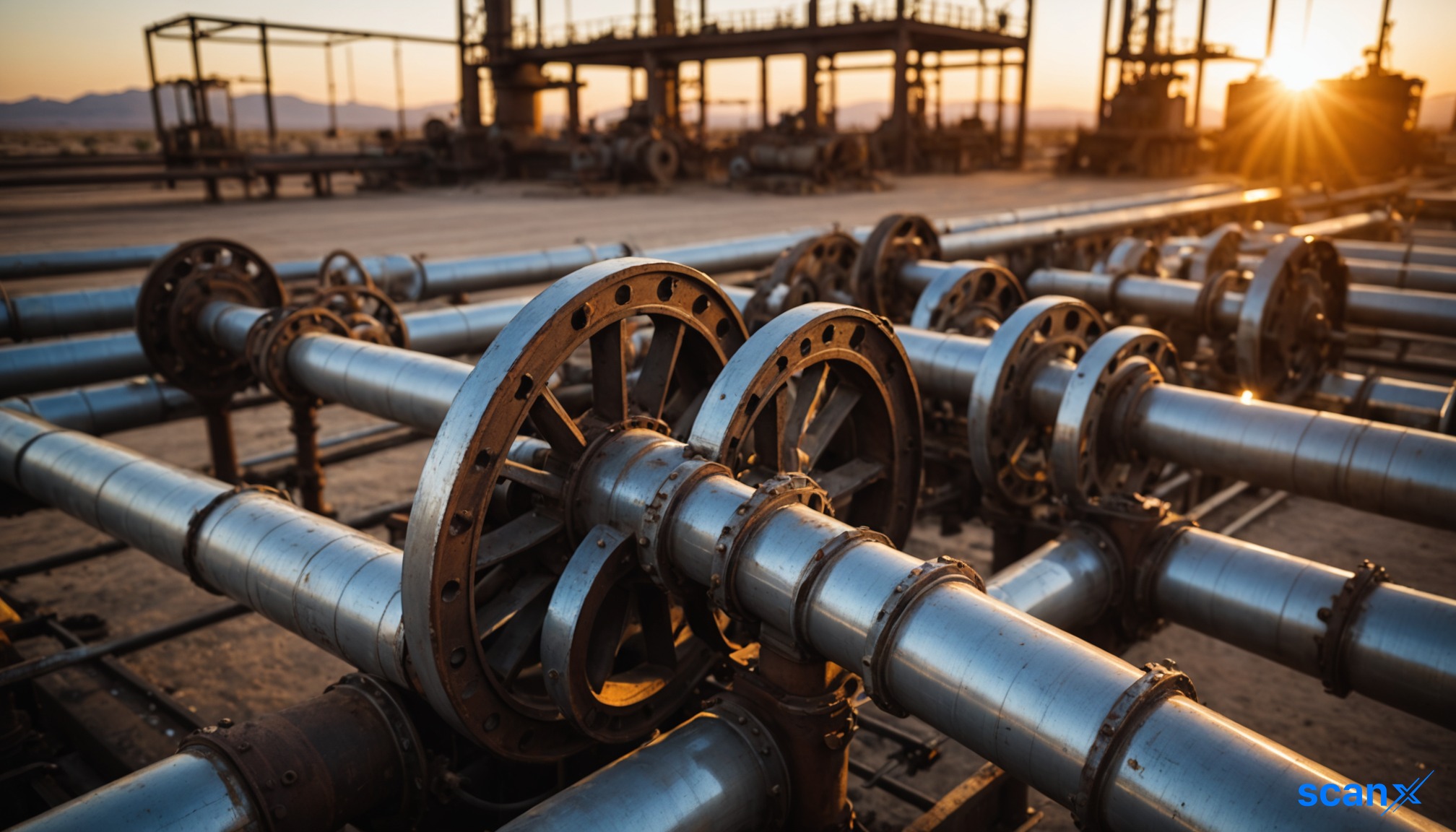

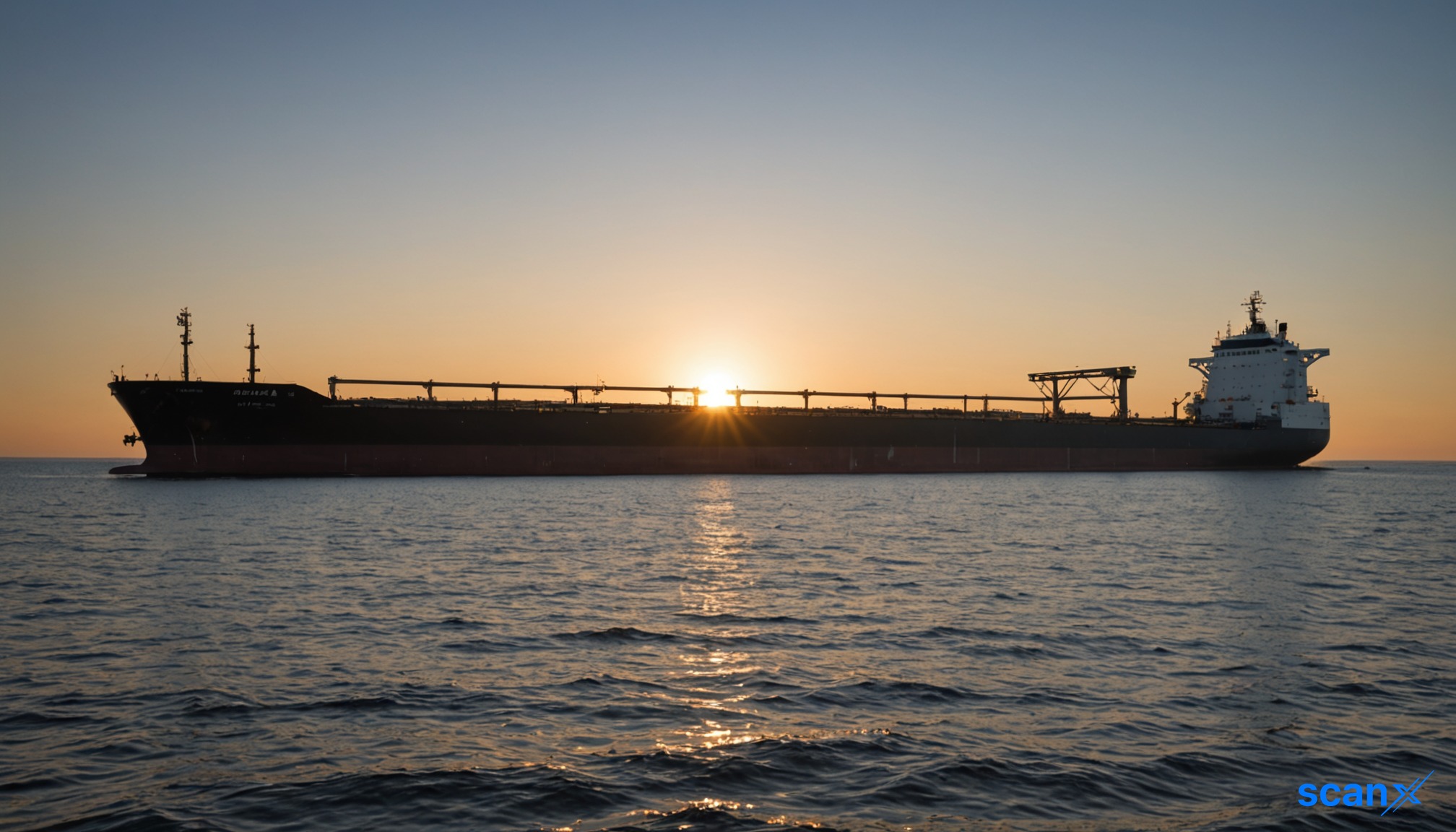
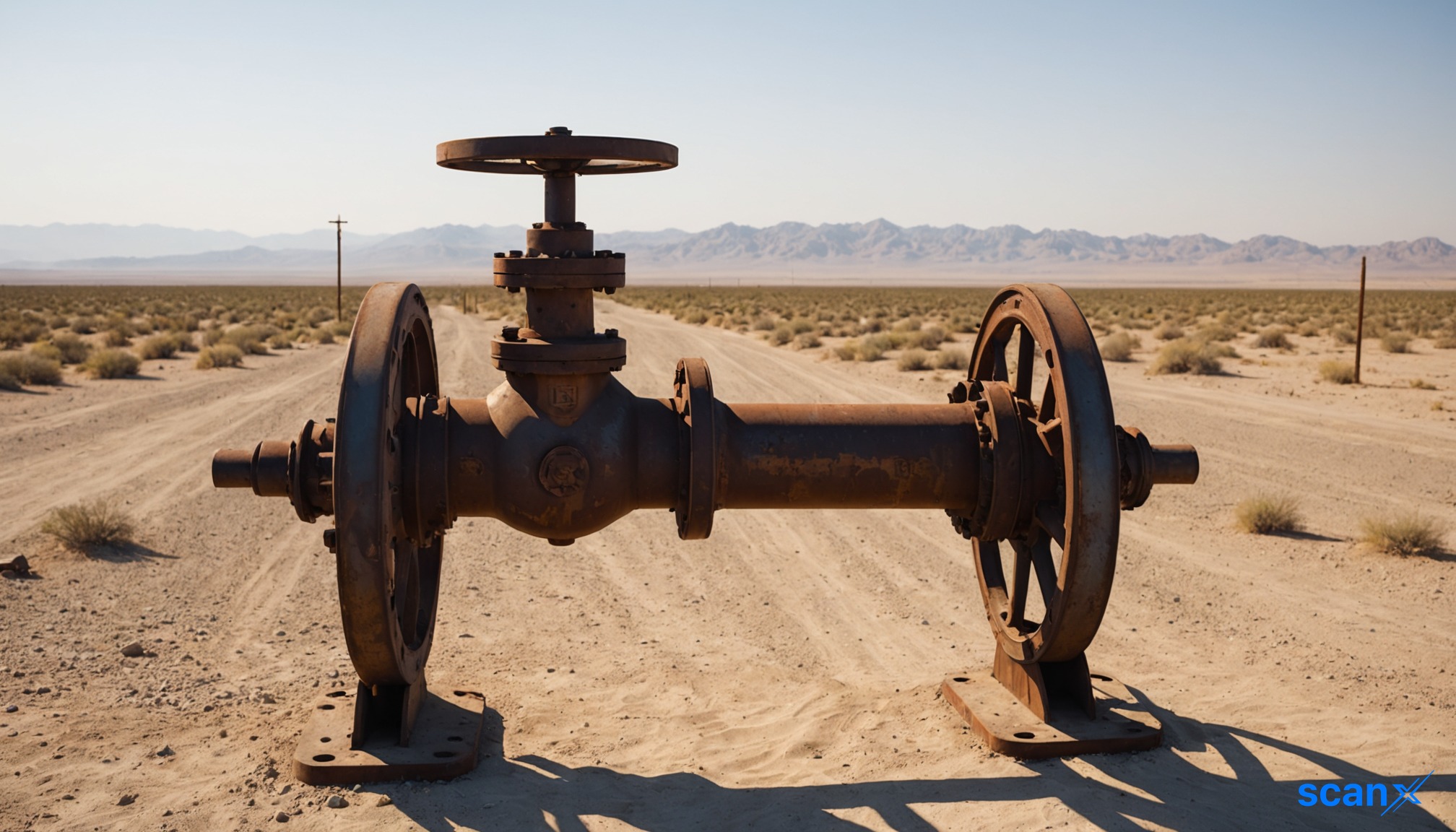
*this image is generated using AI for illustrative purposes only.
Crude oil has touched above $105 a barrel seven months into the Iran war, reversing a low of $68 weeks earlier. The surge reflects systemic tightening in refined-product markets and physical disruptions to key supply routes.
Saudi Arabia shut its 7 million barrel-a-day East-West pipeline following a drone strike from Iraq. This removed the largest overland bypass to the Strait of Hormuz, where daily transits have fallen to the low teens from more than 120 before the conflict.
Market Dislocation and Pricing
Wholesale diesel prices averaged $161 a barrel over the past six months, representing a 59% increase above pre-war expectations according to the Center for Research on Energy and Clean Air. The turmoil has extended to bond markets, with 10-year Treasury yields trading above 5% this week.
JPMorgan declared it no longer has a baseline view for the market. Natasha Kaneva, head of global commodities strategy at the bank, stated in a client note that the endgame is impossible to model. The bank estimates Brent’s September fair value near $90 a barrel, yet spot prices remain around $100.
| Metric | Value | Context |
|---|---|---|
| Crude Price | Above $105 | Seven months into war |
| Diesel Avg Price | $161/barrel | 59% above pre-war |
| Strait Transits | Low teens | Down from 120+ |
| Treasury Yield | Above 5% | Inflation fears |
Demand currently runs more than 4 million barrels a day below year-earlier levels. Record U.S. output held inventory draws to about 555 million barrels, which is one-third of JPMorgan’s initial projection. Chinese refiners are reaccelerating runs to capture wide diesel margins.
What the Numbers Show
The divergence between JPMorgan’s fair value estimate of $90 and the spot price of $100 indicates a persistent risk premium that fundamentals alone do not explain. Despite demand running 4 million barrels a day below prior year levels, inventory draws remained limited to 555 million barrels, suggesting that supply disruptions are offsetting weak demand rather than being absorbed by stockpiles.
EV Adoption Catalyst
Persistent fuel inflation is challenging the view that electric vehicle sales are insulated from oil prices. Wood Mackenzie projects a scenario where the 2040 global EV fleet is about 50% larger than its base case due to these conditions.
BEV sales momentum varies by region:
- France: rose 69% through July
- Germany: rose 51%
- China: expected to reach about 40% of sales this year
- U.S.: lags at roughly 6%
Ed Crooks, vice chair for the Americas at Wood Mackenzie, noted that the Middle East conflict could supercharge the electrification of road transport. However, achieving accelerated trajectories requires overcoming hurdles including supply chain diversification away from China and consumer conviction regarding permanent fuel cost volatility.

How might the persistent risk premium in crude oil prices impact global inflation trajectories and central bank monetary policy decisions beyond the current 5% Treasury yield levels?
What specific supply chain diversification strategies are automakers and battery manufacturers implementing to mitigate reliance on Chinese components amidst accelerated EV adoption?
Could the structural shift in diesel margins incentivize non-OPEC producers to increase output, and how quickly can they offset the lost capacity from the Strait of Hormuz disruptions?
 20
20





 Access Market Heat-map & Insights
  Create, Save & Share your Screener
  Use 200+ Screening Filters





